Online Reporter
Rumbidzayi Zinyuke
Senior Health Reporter
ZIMBABWE has called for increased domestic financing of health systems and greater investment in local production of medicines, vaccines and other essential health products as African countries seek to reduce dependence on external assistance.
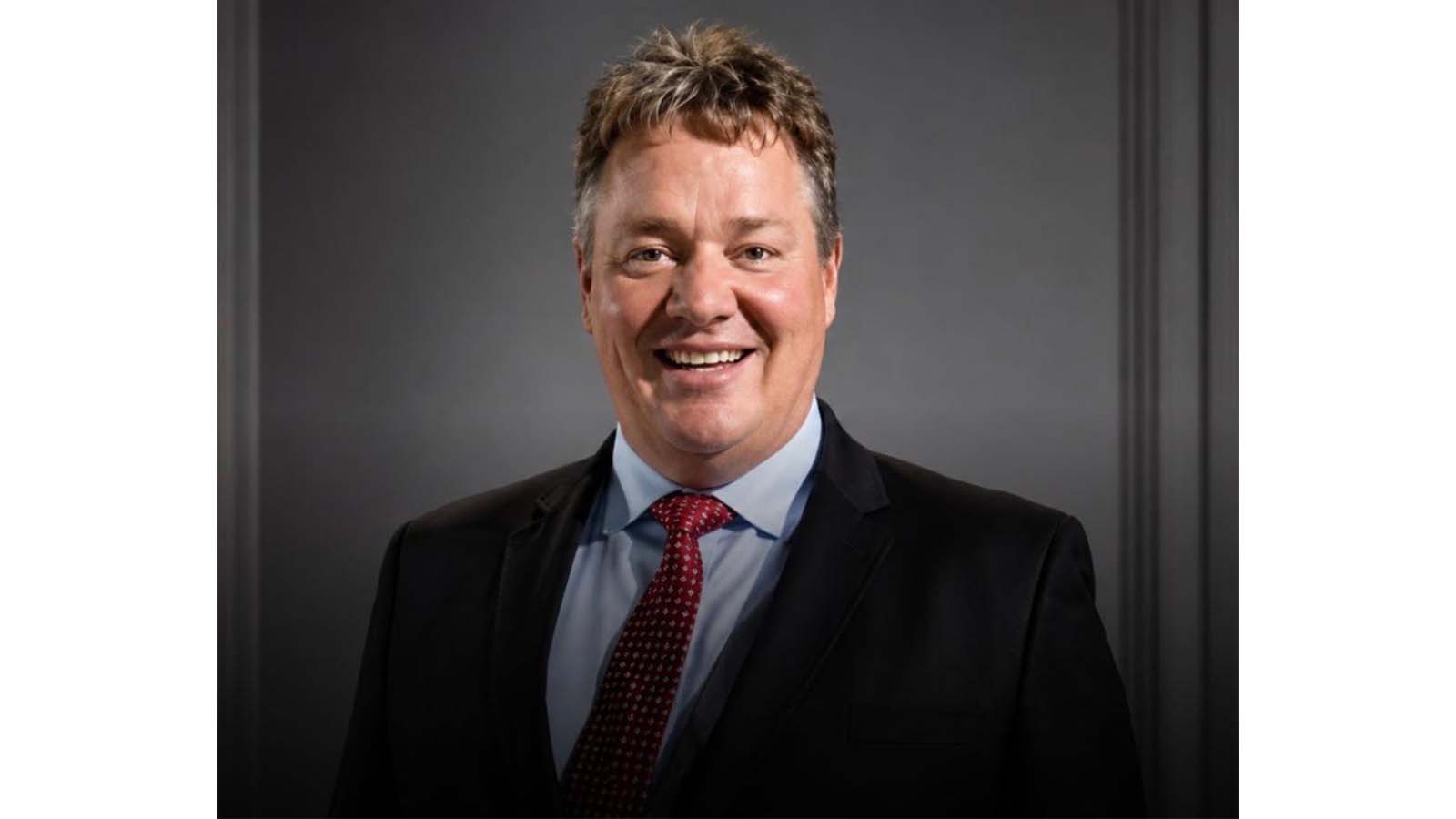
Health and Child Care Minister Dr Douglas Mombeshora made the call while responding to the report of the WHO Regional Director for Africa, Professor Mohamed Janabi, at the opening session of the 76th WHO Regional Committee for Africa in Addis Ababa, Ethiopia.
Dr Mombeshora said the region was meeting at a critical time characterised by fiscal pressures, rising debt and declining external assistance, making it imperative for countries to strengthen domestic resource mobilisation and develop sustainable health financing mechanisms.
“Zimbabwe supports the Strategy for Financing the Future of Health in the African Region, 2026–2035. We must move progressively from dependence to greater ownership. This calls for investing our own resources in our own health systems,” he said.
The minister also called for sustained investment in disease surveillance, immunisation, laboratory systems and emergency preparedness to protect gains made against communicable diseases, while urging stronger prevention, early detection and integrated management of non-communicable diseases within primary healthcare.
He said greater attention was also needed on essential surgical, obstetric and anaesthesia services as key components of universal health coverage, noting that timely access to safe surgery and emergency obstetric care could prevent avoidable deaths and disability.
Dr Mombeshora further stressed the importance of regional solidarity through platforms such as SADC, the African union and Africa CDC, particularly in strengthening surveillance, pooled procurement, local production and coordinated responses to disease outbreaks.
“Zimbabwe strongly supports Africa’s drive towards local and regional manufacturing of vaccines, medicines and essential health products. This is critical to supply security, resilience and health sovereignty,” he said.
He said Zimbabwe also supported a global health architecture that was Member State-driven, responsive to national priorities and supportive of greater health sovereignty, while maintaining regional and global solidarity.
He reaffirmed Zimbabwe’s commitment to building a healthier, more resilient, self-reliant and equitable African region.