Online Reporter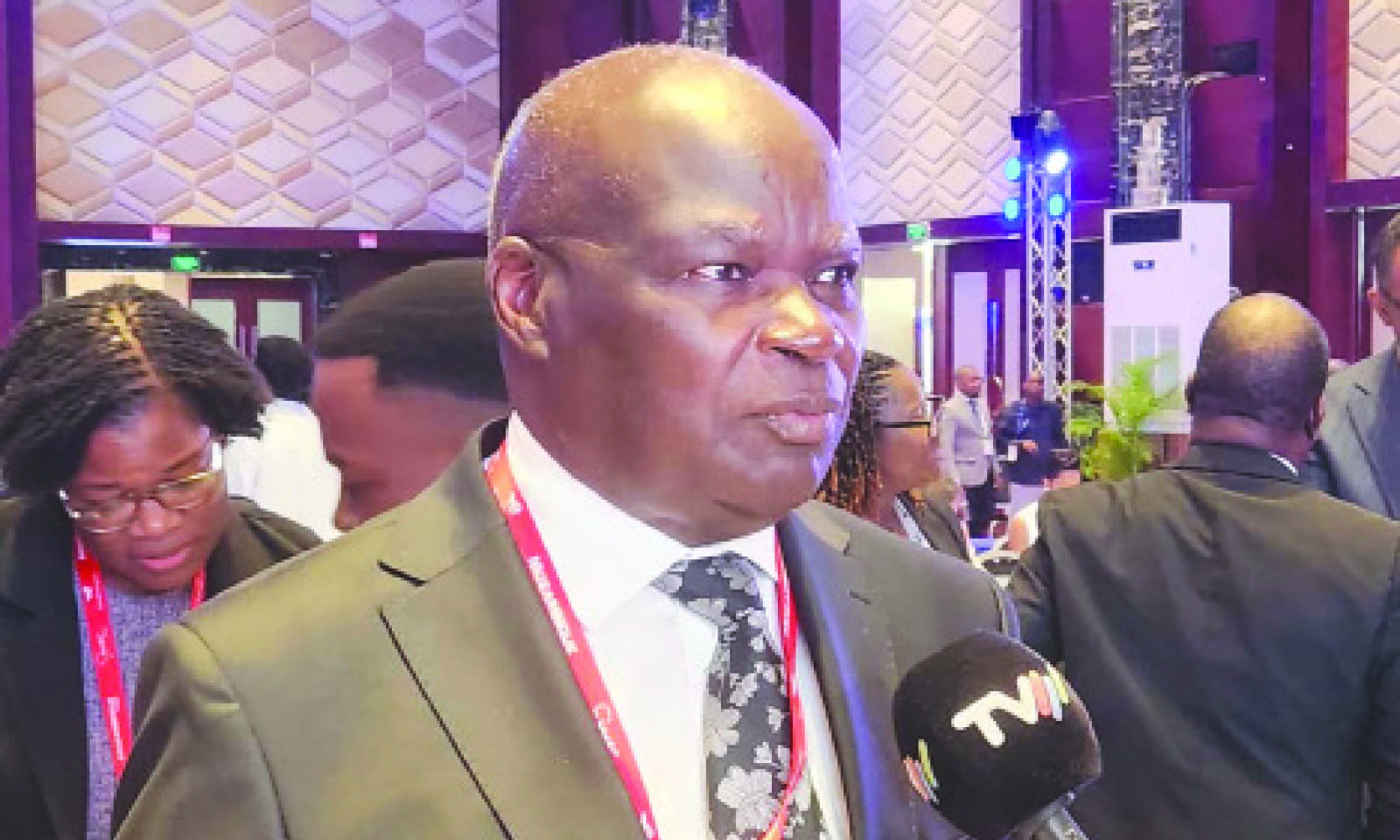
Remember Deketeke
Herald Correspondent
ZIMBABWE has called for Southern African Development Community (Sadc) member states to deepen cooperation in using the region’s vast natural resources to drive sustainable industrialisation and energy security, as the bloc confronts crippling electricity shortages and over-reliance on fossil fuels.
Energy and Power Development Minister July Moyo made the call on Monday in Mozambique on the sidelines of an energy and infrastructure Sadc summit, aligning with the blocs’ broader goals to promote sustainable economic integration through infrastructure development and cooperation.
“The Sadc region is richly endowed with energy resources from hydropower in the Zambezi and Inga basins to gas in Mozambique, oil in Angola, uranium in Namibia and renewables like solar and wind across member states,” said Minister Moyo.
“It is our responsibility to harness these for the collective industrial transformation of the region.”
Minister Moyo said over 74 percent of electricity in Sadc is generated from coal, contributing to environmental degradation and limiting energy diversification efforts.
He described the region’s persistent energy deficits as a major stumbling block to industrialisation, with rural electrification still lagging behind.
“Only 32 percent of rural communities have access to electricity. This not only affects household livelihoods but also stalls industrial productivity and job creation,” he said.
He added, Zimbabwe’s own power shortages are driven by climate change and ageing infrastructure.
“Kariba’s hydro generation is under stress due to reduced water inflows, while Hwange is undergoing rehabilitation,” he said.
“We are encouraging private sector participation through captive power production and modernisation of plants.”
Minister Moyo said industrialisation must not come at the cost of sustainability, calling for greater adoption of clean energy technologies.
“We must add value to our minerals like lithium and cobalt, which are vital in the global shift to renewable energy. Exporting raw materials is a missed opportunity,” said Moyo.
He underscored the critical role of the Southern African Power Pool (SAPP) in regional energy trading.
“Zimbabwe’s central location positions us as a strategic player in wheeling power across borders,” he said. Projects like Zizabona and Mozisa must be expedited, and transmission infrastructure strengthened.”
Minister Moyo emphasised the importance of fuel security. He revealed that Zimbabwe and Mozambique are expanding the Beira–Harare pipeline to increase its capacity from 2.19 billion litres to 5 billion litres annually.
“This will secure supply not only for Zimbabwe but also for hinterland countries.
“We are also looking at extending the pipeline network to other countries in the region,” said Minister Moyo.
He added: “Discounted pipeline fees for products exported from Harare will continue, contributing to a more cost-effective fuel supply system across SADC.”
The minister confirmed Zimbabwe’s ongoing exploration for oil and gas, saying: “Should commercial reserves be found, we are ready to invest in infrastructure such as refineries and power plants to support exploitation.”
He further highlighted Zimbabwe’s strides towards cleaner fuels.
“Since 2011, we have blended petrol with ethanol, supporting energy security and rural employment.
“We are finalising the National Electric Mobility Policy and have already adopted low sulphur diesel,” he said.