

 Online Reporter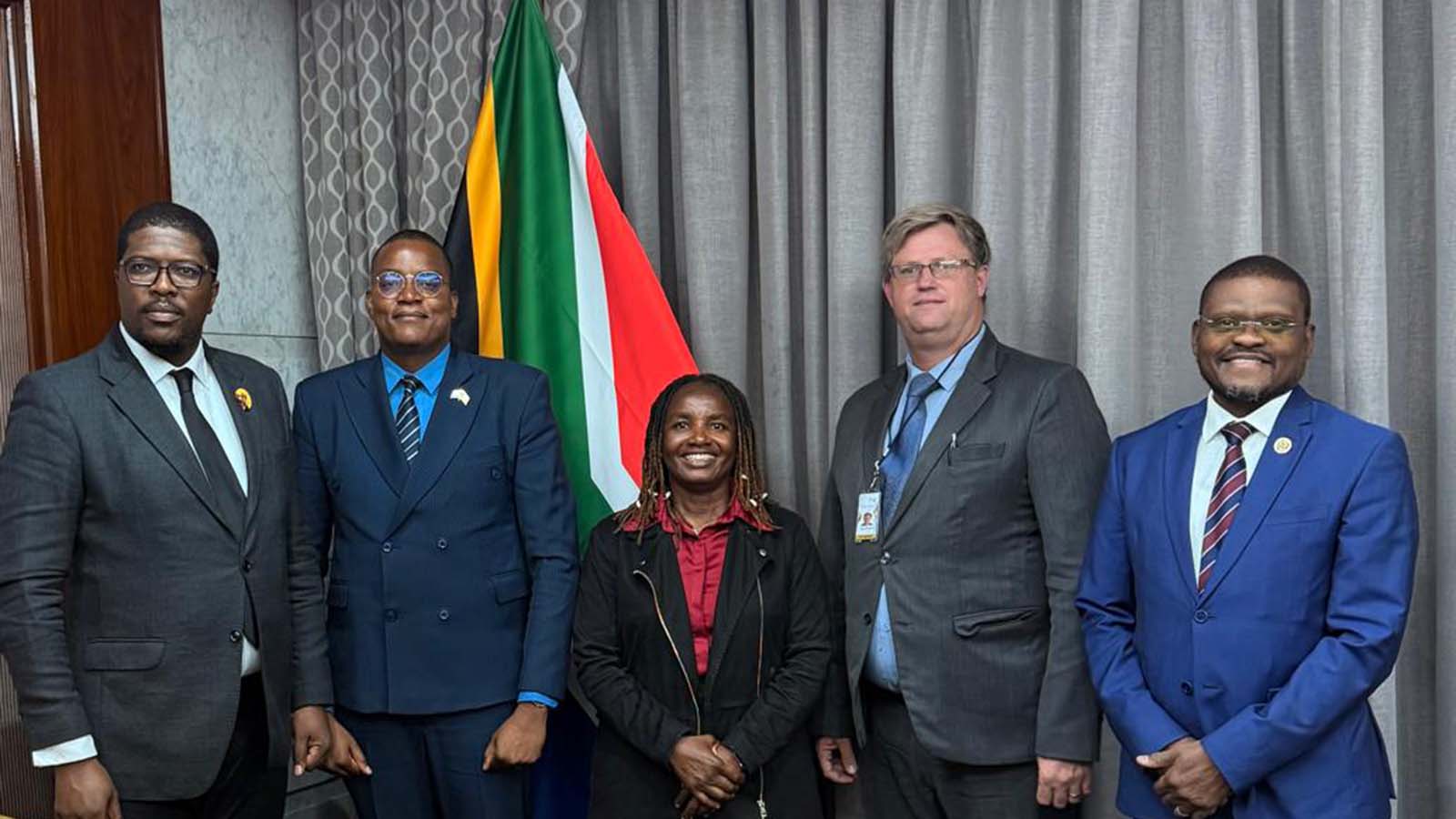
Freeman Razemba
Senior Reporter
Transport and Infrastructural Development Deputy Minister Joshua Sacco is leading a Zimbabwean delegation that is currently attending the inaugural National Transport Conference in Midrand, South Africa.
The conference is being held under the theme “Transport: The Driver for Growth, Job Creation, Inclusivity and Sustainability”.
It has brought together key stakeholders from Government and the business community to deliberate on issues affecting transport and logistics across the region.
The conference was officially opened by South African President Cyril Ramaphosa, who underscored the importance of strengthened collaboration between SADC Member States.
President Ramaphosa highlighted that enhanced regional cooperation is vital for boosting economic growth and improving global competitiveness.
He further pointed to transformative initiatives such as the African Continental Free Trade Area (AfCFTA), noting its potential to unlock shared economic opportunities through improved cross-border transport and logistics systems.
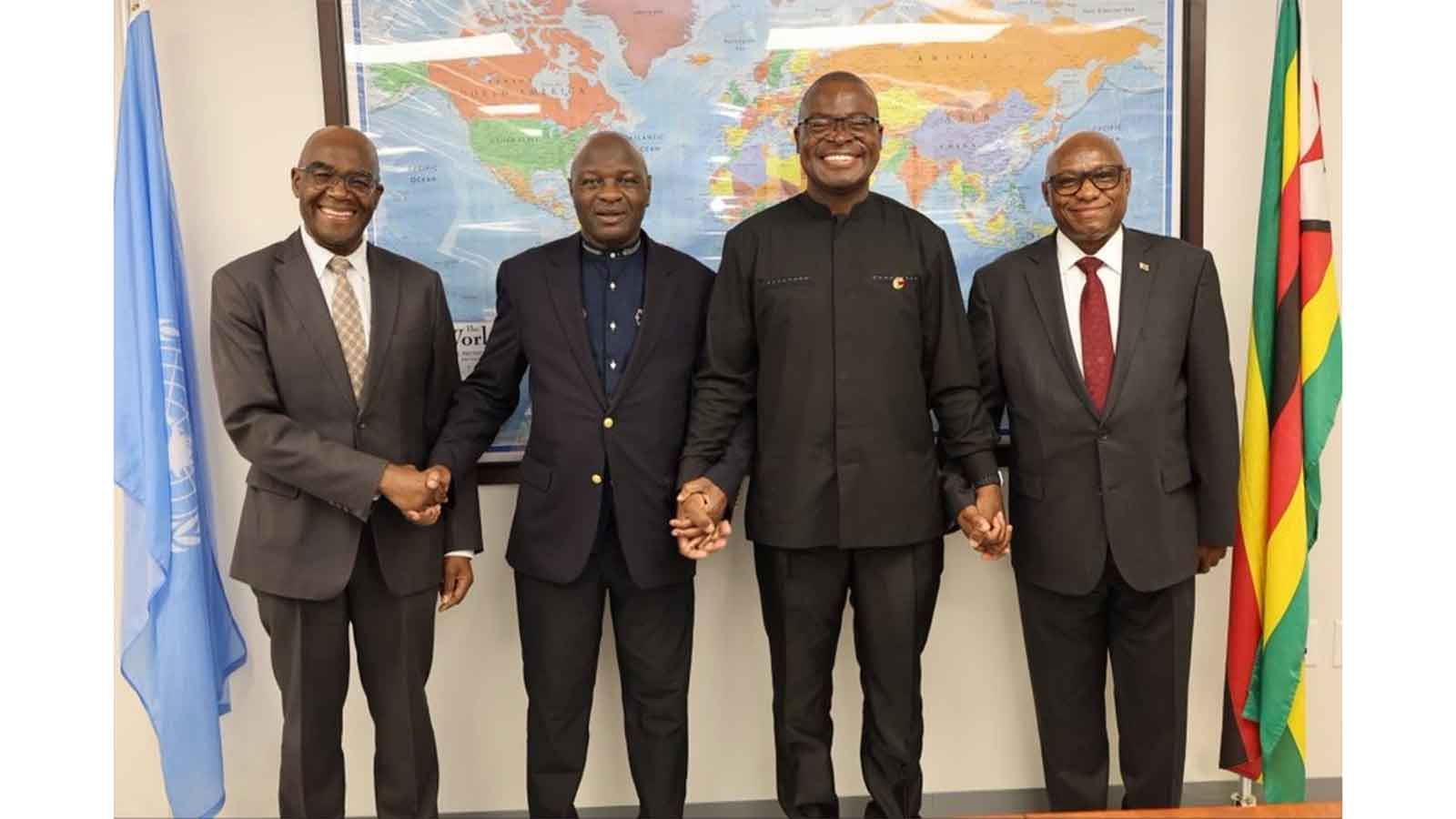
Speaking on the sidelines of the conference, Deputy Minister Sacco said Zimbabwe, Botswana, and Mozambique held a trilateral meeting aimed at strengthening cooperation in transport and infrastructure development, particularly in enhancing regional connectivity and facilitating trade across borders.
The trilateral meeting reviewed progress made in implementing the Ponta Techobanine Deep Sea Port and Heavy Haul Railway Project, which is set to benefit Zimbabwe, Mozambique, Botswana and the rest of the SADC region through improved access to the Indian Ocean.
Botswana and Zimbabwe also reviewed their collaboration through the Bilateral Air Services Agreement and Air Accident and Serious Incident Investigation frameworks.
Seamless transit facilitation at the Forbes/Machipanda Border and potential collaboration on the Kafue–Lion’s Den railway project were also discussed.
The conference has attracted participation from several SADC countries, including Zimbabwe, Mozambique, Botswana, Democratic Republic of the Congo, Eswatini, and Tanzania.
Zimbabwe’s participation reflects its commitment to regional integration and the development of a modern, efficient, and sustainable transport system that supports economic growth and connectivity across Africa.


 Peter Tanyanyiwa