

 Online Reporter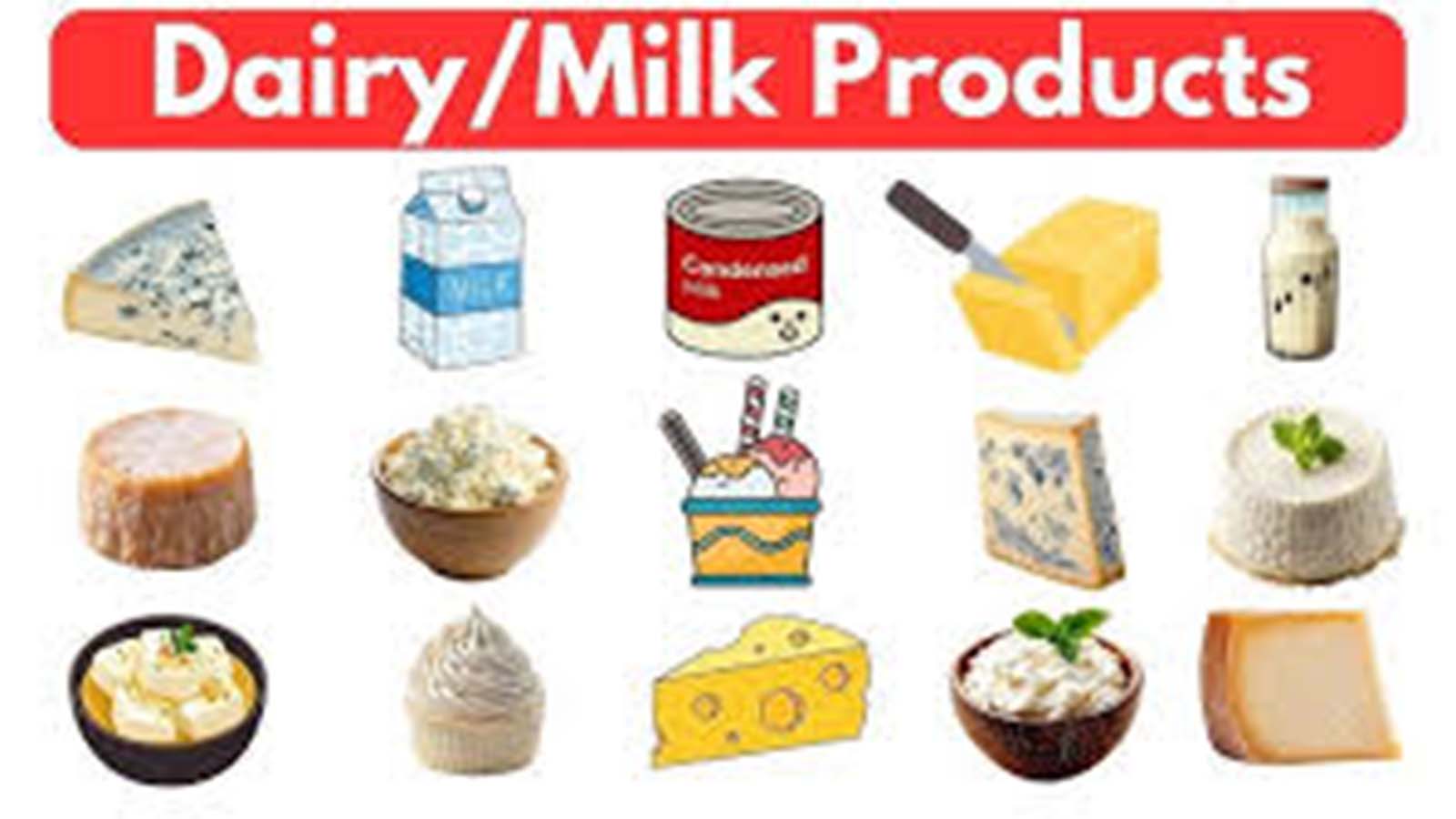
Edgar Vhera
Specialist Writer – Agribusiness
ZIMBABWE’S strong economic growth in 2025 and the continuing trend have triggered a 66 per cent increase in milk product imports from January to April this year, compared with the same period last year.
This was said by the Zimbabwe Dairy Industry Trust (ZDIT) chairperson, Mr Themba Mutsvairo, who emphasised the increase in demand for milk products.
According to the International Monetary Fund (IMF), Zimbabwe’s economy grew 7, 5 percent last year, outpacing the Government’s initial 6, 6 percent target.
Statistics from the Zimbabwe National Statistics Agency (ZimStats) also show that milk product imports surged to US$13 million in the first four months of this year against US$8 million last year.
Among the dairy products imported by the country are various forms of milk and cream, yoghurt, buttermilk, ice cream, whey, butter and different kinds of cheese.
ZDIT chairperson said the growth in demand for dairy products was a result of overall growth in Zimbabwe’s economy in 2025, a positive trajectory in the first four months of 2026, surge in export earnings and significant currency stabilisation and inflation drop.
“This triggered enhanced buying power for consumers, necessitating local manufacturing dairy processors to increase capacity utilisation to 57 percent from 47,7 percent compared to the same period last year.
“Government blitz on smuggled goods and grey market has also boosted local manufacturing thereby necessitating the need for more ingredients for our factories,” he said.
Mr Mutsvairo said most of the milk products were ingredients which are used in the production processes of products that have some dairy components, such as bread, Maheu, dairy fruit blends, whey-based juices, cheese replacers and many other nutritious foods and beverages.
“If there was adequate supply of local raw milk, there would not be any need to import these ingredients. This implies that the growth in demand for dairy-related products is exceeding the rise in local primary milk production,” he added.
Statistics from the Dairy Services Unit (DSU) reveal that local commercial milk production reached 122 million litres last year and from January to April this year it rose seven percent to 40 million litres from 38 million litres last year.
ZDIT said it will continue supporting local primary milk production at the farm level and closing the demand gap through importing dairy ingredients for products that use dairy components.
Zimbabwe’s milk consumption per capita remains around 10 litres per annum against the World Health Organisation’s (WHO) recommended average of 45 litres per annum for an upper middle-income society.
Livestock and Meat Advisory Council (LMAC) executive administrator, Dr Reneth Mano, said demand for powdered milk, whey and cheese was higher than local production.
“Zimbabwe has a potential demand for milk of 30 litres per person per year should domestic prices drop to match the prices prevailing in Zambia and South Africa.
“The country also needs to close the productivity gap with our neighbours in terms of average milk produced per dairy cow per year and the average cost of producing a litre of milk in Zimbabwe,” he said.
Dr Mano said Zimbabwe had the highest dairy milk producer prices and dairy milk retail prices in Southern Africa.
“The dairy industry and Government should seek urgent solutions to structural supply and demand side challenges that continue to act as the binding constraints to growth and inclusive development of the dairy sector across the 60 districts and 10 provinces of Zimbabwe,” he said.



