Mthabisi Tshuma [email protected]
ZIMBABWEAN entrepreneurs are seeking partnerships with Chinese companies to equip small and medium enterprises (SMEs) with modern machinery, technical skills and access to international markets as the country intensifies its industrialisation drive.
The push is aligned with Vision 2030 and the Second National Development Strategy (NDS2), which seek to move the economy beyond raw commodity exports towards value addition, beneficiation and technology transfer.
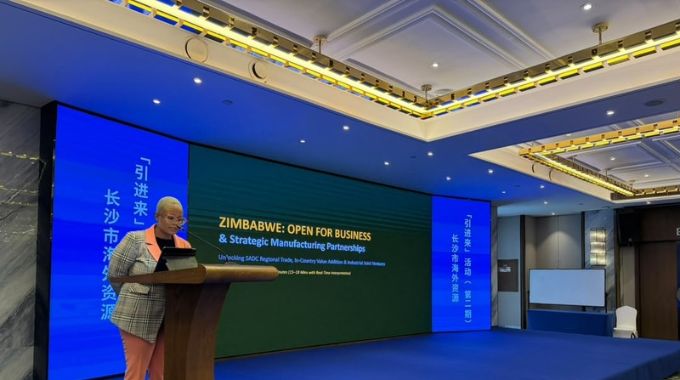
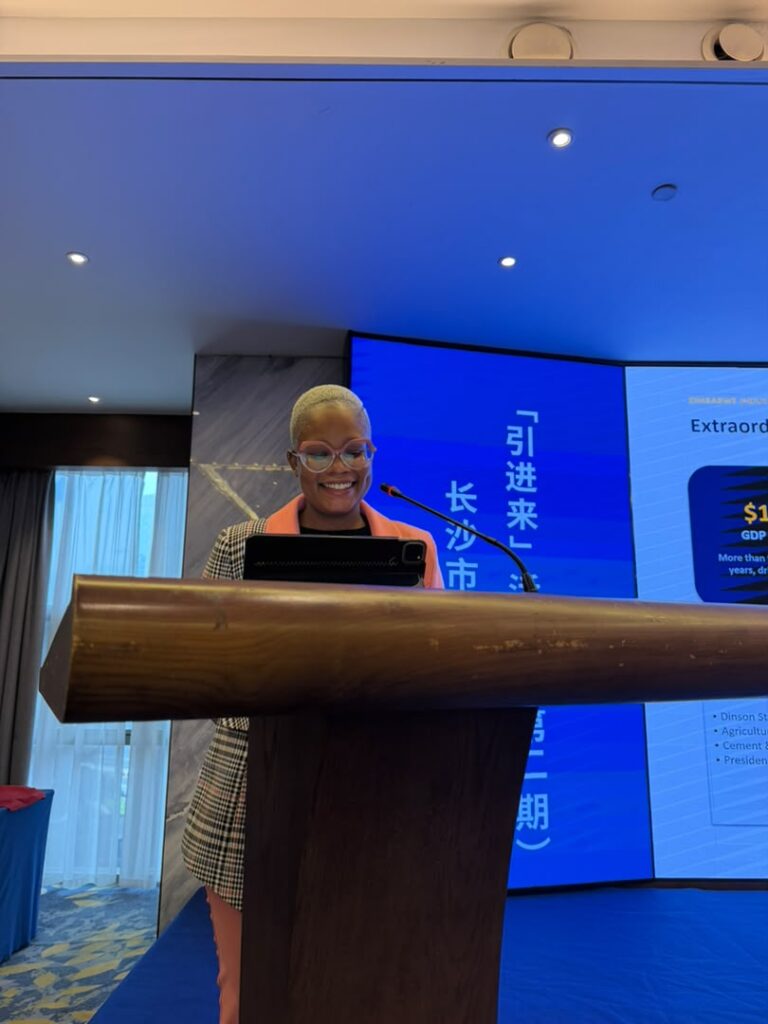
Presenting a paper at the Changsha International Business Marching Event in China, Zimbabwean entrepreneur Sithabile Gandi-Ndlovu said partnerships with Chinese investors could help strengthen local manufacturing and position Zimbabwe as a regional industrial hub.
“Zimbabwe under the able leadership of President Emmerson Mnangagwa is undergoing a fundamental economic shift anchored by Vision 2030 and our national development blueprints. We have a rapidly growing manufacturing sector, the vast majority of which is driven by vibrant Small and Medium Enterprises. Under NDS 2 and ZNIDP, we are aggressively moving away from exporting raw primary commodities toward localised value addition, beneficiation, factory retooling, and technology transfer.
“There are immense opportunities for win-win partnerships between Zimbabwean SMEs and Chinese companies in processing and value addition to establish Zimbabwe as the industrial powerhouse of Southern Africa,” said Gandi-Ndlovu.
She outlined four priority areas in which Chinese partnerships could help scale up SME manufacturing and support the value chains identified under NDS2.
“The first is machinery and advanced capital goods, through direct supply and leasing of state-of-the-art processing plants, automated packaging and production machinery supported by ZNIDP retooling incentives. The second is technical training and upskilling, focusing on hands-on skills transfer, technical training programmes and operational capacity-building for the local workforce and engineers under NDS 2 human capital directives.
“The third priority is upgrading manufacturing practices through retooling factories, adopting modern production standards, ISO certification frameworks and automated quality control to boost global competitiveness. The fourth is access to markets for finished goods by facilitating trade routes, business-to-business connections and regional and international market access for manufactured Zimbabwean products under the SADC and African Continental Free Trade Area (AfCFTA),” she said.
Gandi-Ndlovu said strengthening SMEs was critical to Zimbabwe’s industrialisation ambitions, with access to Chinese technology, capital and expertise offering opportunities to expand local production and process more raw materials into finished goods.
Follow on X: @mthabisi_mthire