Online Reporter
Oliver Kazunga
Senior Reporter
ZIMBABWE is on the verge of formally unlocking preferential access to Africa’s vast continental market as it moves to finalise and gazette its African Continental Free Trade Area (AfCFTA) tariff offer.
AfCFTA, which offers a market of more than 1,4 billion people and a gross domestic product of US$3,4 trillion, is one of the world’s largest single markets — and it connects 53 African union member states and eight regional economic communities.
The free-trade bloc came into force in January 2021, with Zimbabwe among the pioneer countries that ratified the historic deal. Under the AfCFTA agreement, countries are encouraged to specialise in sectors where they have a comparative advantage, with Zimbabwe identified as strong in agriculture, mining and related value-added industries.
Therefore, the tariff phase-down will see Zimbabwe gradually liberalising trade by eliminating tariffs on 97 percent of its products over phased periods ranging from five to 10 years, while permanently excluding three percent from tariff liberalisation.
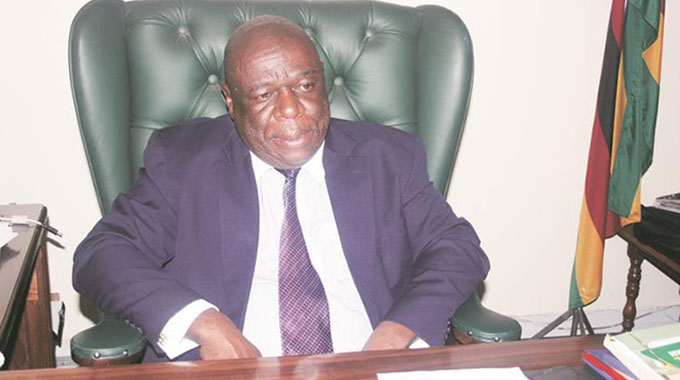
Speaking at a breakfast meeting in Harare last week, Ministry of Foreign Affairs and International Trade principal administrative officer Mr Tafadzwa Mashingaidze said Zimbabwe was now at an advanced stage of implementing key obligations under the agreement.
“Zimbabwe is now working towards the gazetting of its tariff offer, a critical milestone that will determine the scope of goods eligible for preferential trade under the continental framework,” he said. Once gazetted, the country’s tariff schedule would effectively formalise Zimbabwe’s participation in the AfCFTA market system, enabling exporters to benefit from reduced trade barriers across African markets.
In addition, the tariff offer is expected to enable Zimbabwean exporters to access new markets across Africa, particularly in agriculture, mining value addition, manufacturing, pharmaceuticals, tourism and professional services.
Mr Mashingaidze said the AfCFTA agreement had already moved beyond negotiation into full implementation, with most trade rules now concluded.
“To date, 51 countries have signed the agreement establishing the AfCFTA, while 47 (Zimbabwe included) have ratified it, reflecting broad continental commitment to the trade integration agenda,” he said. Mr Mashingaidze further said the framework was now operational in most areas, with countries able to trade in a wide range of goods under agreed rules.
“And 93 percent of the votes of the regime have been agreed upon by the state parties,” he said. “This means that we can trade more than 5 000 products — there is now a single set of rules for trade in 93 percent of the products.”
He said the agreement had transitioned into an implementation phase, supported by key regulatory tools designed to facilitate trade across member states.
“The AfCFTA secretariat has developed important regulations for state parties to use in the implementation of the AfCFTA,” said Mr Mashingaidze.
“We have the tariff e-book, we have the rule of origin manual, and also we have the Pan-African trade settlement system,” said Mr Mashingaidze.
Speaking at the same occasion, Competition and Tariff Commission assistant director (tariffs) Ms Cecilia Mashava said it was significant for Zimbabwe to adopt a strategic approach to tariffs as the country moves to finalise its AfCFTA tariff offer.
“We need a clear tariff policy that will enable us to address our own problems . . . tariffs are a strategic point and we need to use them strategically for us to transform our industry,” she said.
“We really need an industry now to participate in AfCFTA and global markets.” Confederation of Zimbabwe Industries trade and regulatory affairs officer Ms Chinyaradzo Phiri said tariffs and protective duties alone cannot guarantee the long-term survival and growth of Zimbabwe’s manufacturing sector.
She called for broader measures to improve industrial competitiveness before trade barriers are removed, adding that Zimbabwe’s manufacturing sector remains vulnerable despite existing tariff measures designed to shield local industries from foreign competition.
“Zimbabwe currently enjoys protection on selected products through duty measures, with approximately 1 156 tariff lines benefitting from safeguards against imports,” she said.
She added: “. . . protection is there; however, protection can never be permanent.”
Ms Phiri stressed that while tariffs provide temporary relief to local manufacturers, policymakers should ensure industries are equipped to compete effectively before opening markets further under regional and continental trade agreements.
“How can we just remove the protection without putting in place measures to ensure that industry can compete,” she said.