Kudzanai Sharara in Shanghai, China
Zimbabwean companies participating at the China International Import Expo have reported strong interest from Chinese buyers, with some exhibitors securing orders and others advancing negotiations for supplies, as the country steps up efforts to expand its exports to the Asian market.
The response has raised expectations of increased market access for local producers, particularly in horticulture, agro-processing, essential oils and other value-added products.
ZimTrade export promotion manager Mrs Vuyiswa Mafu said the 12 companies that participated in this year’s expo had received encouraging feedback from Chinese buyers, with some already securing business opportunities.
Speaking on the sidelines of the expo, which concluded yesterday, Mrs Mafu said the response from Chinese buyers had been particularly strong, reflecting growing interest in African products.
“The response from the Chinese market has been very good. Some companies have told us they have actual orders that they need to supply,” she said.
She cited the example of local pecan nut producers who received an enquiry for 100 tonnes, with the prospective buyer expressing interest in immediate delivery.
Although the producers could not meet the demand at once, they reached an understanding with the buyer to stagger supplies over time, allowing them to plan production and fulfil the order.
Mrs Mafu said Zimbabwe had participated in the expo six or seven times since 2019, with the event evolving into an increasingly important platform for connecting local producers with international buyers.
The Zimbabwean delegation showcased a range of products, including essential oils, blueberries, pecan nuts, chillies and arts and crafts.
However, she urged small and medium-sized enterprises (SMEs) to look beyond exhibiting their products and prioritise meeting the regulatory requirements necessary to access the Chinese market.
She said horticultural producers, in particular, needed to secure registration with China’s General Administration of Customs (GACC), which is a key requirement for accessing the market.
“For the horticulture guys, they need to get their GACC registration in place. If they are to enter this market successfully, it is something that at ZimTrade we can assist them with,” she said.
Mrs Mafu said ZimTrade could guide exporters through the registration process, adding that this had to be complemented by obtaining the necessary phytosanitary certificates for their produce.
Her remarks highlight the importance of export readiness in converting the interest generated at international exhibitions into actual trade, particularly for smaller producers seeking to enter demanding markets.
Tashinga Suruchera of Stagri Brands described the response at CIIE as “perfect” amid huge interest for the Tejaswini chilli brand and what is left is for the company to start exporting.
Stagri has the capacity to produce at least 50 tonnes per month. It plans to take advantage of an arrangement where all African countries with diplomatic ties to China can export dried chilies (origin restrictions removed).
From May 1, zero tariffs apply to all African exports — a major boost.
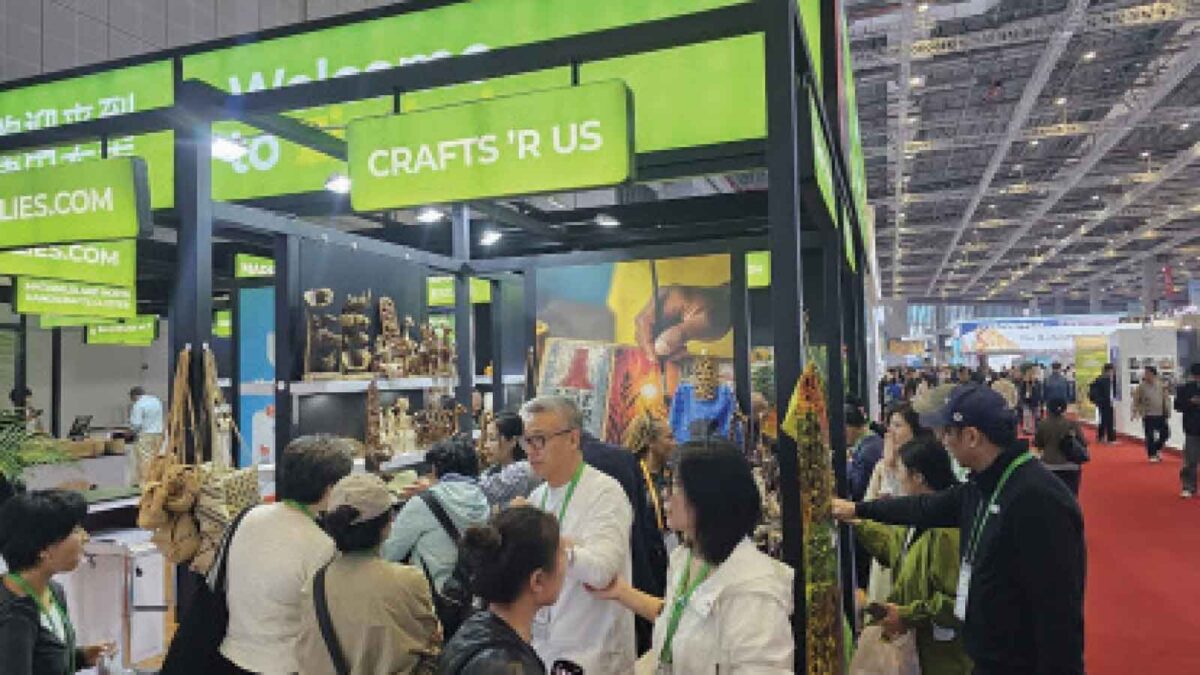
Privilege Bere of Crafts’ R Us described the response from the market as “good” amid interest for bulk orders with supplies already available.
Her booth was very active, with individual buyers taking advantage of the expo to make some purchases.
Ms Nomusa Chinounda of Kaza Natural Oils said the response from CIIE “has been good” although this time it was more of individual consumers than manufacturers.
Matabeleland South Minister of State for Provincial Affairs and Devolution Albert Nguluvhe, who attended the expo, said the event had opened opportunities for local producers, particularly in horticulture and mining.
He said Zimbabwean chillies were attracting interest, with exhibitors reportedly close to concluding arrangements to sell their produce in China.
He also highlighted opportunities for citrus producers, saying the existence of an export protocol for oranges meant local farmers should move towards exploiting the Chinese market.
“It’s a matter of us making sure that we start to export our oranges. We produce some of the best oranges, especially in the southern part of the country,” he said.
Minister Nguluvhe encouraged citrus producers to consolidate their production and work together to meet the scale of demand in China, arguing that individual farmers could struggle to supply the market in sufficient quantities.
He, however, called for greater Government support for SMEs, particularly in meeting certification requirements, product standards and the costs associated with accessing export markets.
He said while larger companies could often finance their participation in international trade exhibitions and meet compliance requirements, smaller businesses needed institutional support to compete effectively.
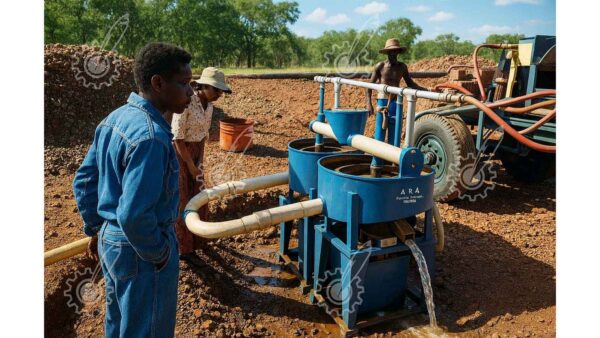
The minister also highlighted opportunities for cooperation in the mining sector following engagements with a Chinese company specialising in mining machinery and equipment.
He said the proposed collaboration could extend beyond equipment supply to technical training, skills development and knowledge transfer.
Minister Nguluvhe proposed partnerships between the Chinese company and the country’s mining institutions, including Great Zimbabwe University, to strengthen mining-related training and introduce relevant technical programmes.
He also expressed interest in technology that could turn mining waste into useful materials for road construction and brick-making, saying such innovations could help mining communities benefit from locally available resources.
He promised to engage mining companies in Matabeleland South to assess their equipment and skills requirements and explore possible areas of cooperation.
Minister Nguluvhe added that engagements involving tourism, mining and road construction had also taken place, although discussions were still at an early stage.
The CIIE, which brought together exhibitors from 162 countries, provided Zimbabwe with an opportunity to promote its products while engaging prospective investors and business partners.
For Zimbabwean exporters, the immediate challenge will be translating the interest generated at the exhibition into sustained supply contracts, while strengthening production capacity, meeting export standards and building the consistency required to serve the Chinese market.
This year’s CIIE, the ninth edition, runs from November 5 to 10 and has attracted 4 142 overseas exhibitors from 162 countries, regions and international organisations.
The total exhibition area exceeds 440 000 square metres, with more than 300 Fortune Global 500 and industry-leading companies participating, and over 2 000 exhibitors attending for the first time.
The expo’s cultural exchange activities this year featured 60 booths across more than 40 000 square metres, described by organisers as the largest scale in the event’s history.
The programme included the debut of an “Intangible Cultural Heritage Workshop” and a “Great Nation Crafts” exhibition zone, alongside nearly 100 performances covering ethnic songs and dances, opera, instrumental music and fashion shows.
The CIIE, held annually in Shanghai, is one of the world’s largest trade expositions and attracts buyers from across the globe.