Tinashe Kusema
Zimpapers Sports Hub
ZIMBABWE may have just stumbled onto something they have needed for years — a proper flyhalf.
For years, Zimbabwe’s No. 10 conversation has often felt temporary, patched together by experience, necessity or short-term fixes rather than long-term certainty.
That is why David Hayes’ debut against Zambia last weekend felt bigger than just another new cap.
It felt like the possible beginning of an answer.
That is a big call after one game, yes. But Hayes did not look like a man merely passing through. He looked like he belonged.
Not because he scored a hat-trick or produced headline-grabbing magic. Because of how he handled himself — calm, sharp and assured.
The kind of composure Zimbabwe have
not always had the luxury of taking for granted in one of rugby’s most demanding
positions.
For a Sables side heading to the 2027 Rugby World Cup and entering a chapter where squad depth will matter as much as star power, Hayes’ arrival could be timely.
Zimbabwe beat Zambia 43-31 at Harare Sports Club in their first home match since sealing their historic World Cup qualification, but beyond the scoreline, one question quietly began growing louder: Have Zimbabwe finally found genuine competition, cover or even succession at flyhalf?
Because World Cups are not navigated on sentiment. They are survived through depth, control and pressure-tested options.
Ian Prior remains the trusted hand. But for the first time in a while, Zimbabwe’s No. 10 jersey may no longer feel like a one-name conversation.
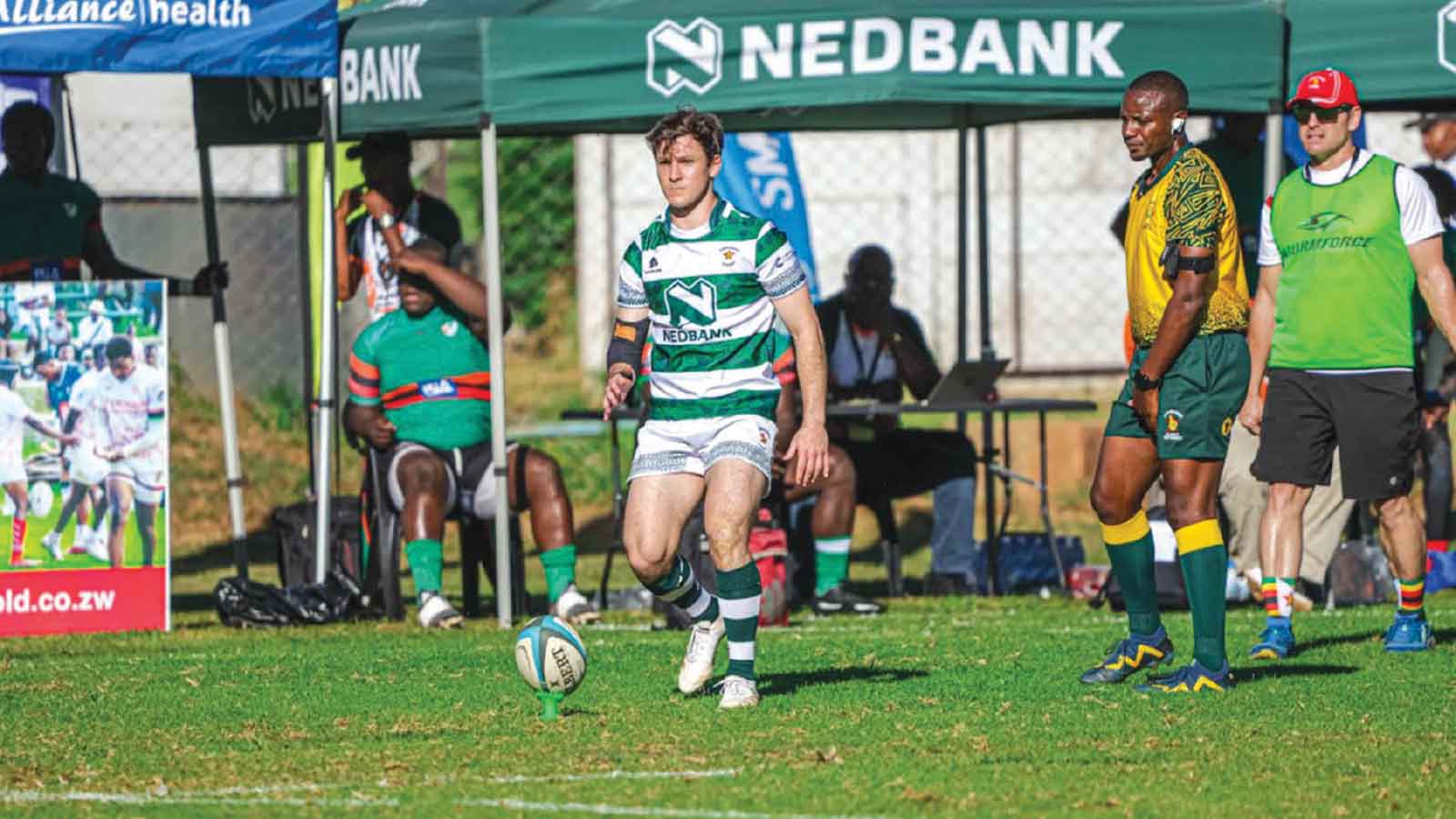
The left-footed Hayes, who openly models his game around All Blacks great Dan Carter, immediately gave local fans a reason to pay attention.
“In terms of role models, there are not a lot that I look up to more than Dan Carter,” said Hayes.
“Carter, like me, is a left-footed kicker and I have tried to emulate and model my game around him.”
That is not small talk. For flyhalves, Carter is the benchmark.
And while no one is getting carried away after 80 minutes against Zambia, Hayes showed enough to suggest this was not blind ambition.
One booming clearance from deep inside Zimbabwe’s own 22 turned heads. Not flashy. Not outrageous. Just authoritative.
Then there was his shape, his patience and his willingness to take responsibility in key areas without looking rushed by the occasion. That matters.
Because flyhalf is not just about kicking. It is about control. And on first glance, Hayes looked like he understands that.
At 26, Hayes is not some raw schoolboy prospect.
He arrives with grounding — South African schooling at SACS in Cape Town, Varsity Cup rugby with UCT Ikey Tigers under former Springbok Robbie Fleck, and semi-professional rugby in England with Bishop’s Stortford.
In simple terms, his rugby education has not been accidental.
Neither, it seems, is his Sables journey.
“David has been a positive addition to our environment both on and off the field,” said coach Piet Benade.
“We hope he can continue from here in the games that we have coming up.”
Benade has tracked Hayes for two years, with previous attempts to bring him into camp delayed by work commitments.
This is not a lucky discovery. It is a delayed arrival.
“I tried to join the Sables a while ago, communicating with the top Sables team two years ago,” Hayes said.
“I was supposed to join camp last year, but work got in the way.
“Playing for the Sables is something I have wanted to do for some time now.”
Now he is here. And perhaps more importantly, Zimbabwe may need him now more than ever.
Born to a Zimbabwean father, Simon, and South African mother, Maria, Hayes’ rugby roots were planted early.
“I started playing rugby from a very early age, five years old, I think,” he said.
“My father played Zim schools rugby and I think that is where I got that influence.”
That influence has now brought him full circle — from Cape Town rugby structures to a packed Harare Sports Club, where expectation is shifting.
Qualification got them there. Australia will test them properly, asking tougher questions.
South Africa A next. Then Tonga, the United States and Canada.
That is where reputations are properly tested. That is where Hayes will either harden Zimbabwe’s growing belief, or remind everyone that one strong debut is not enough.
But that is the intrigue now.
Zimbabwe may finally have a genuine No. 10 debate.
Does Hayes remain quality backup? Or has the succession conversation already begun?
It is early. But for a nation that has spent years searching for certainty in one of rugby’s most important positions, his arrival feels like more than a nice story.
It feels like a serious development.
Zimbabwe may not have found the finished product yet. But they may just have found a flyhalf solution arriving at exactly the right time.