

 admin
admin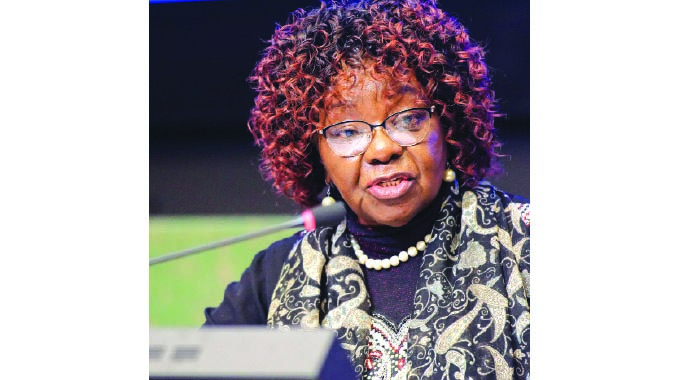
Ivan Zhakata, Herald Correspondent
GOVERNMENT in partnership with UNICEF and the Korea International Cooperation Agency (KOICA) have launched the “Climate Action for the Last Mile: Reaching the Most Vulnerable Children in Zimbabwe” to address the growing threat of climate change.
The initiative, launched yesterday at Kuwadzana 3 High School in Harare, promises to directly benefit 30 000 individuals.
The “Climate Action for the Last Mile” project seeks to combat these issues by enhancing children’s understanding of climate change and ensuring their inclusion in decision-making processes that affect their futures.
It aims to strengthen climate resilience among children and other at-risk groups across the country.
The project is especially critical for Zimbabwe’s children, with 40 percent of the beneficiaries expected to be young people who bear the brunt of climate-induced disasters such as droughts, floods and erratic rainfall.
Speaking at the launch ceremony, Minister of Environment, Climate and Wildlife Dr Sithembiso Nyoni said climate change was no longer a distant threat.
“It is a harsh reality impacting Zimbabwe’s most marginalised populations. This project will help build long-term resilience for the most vulnerable, particularly our children, women and persons with disabilities,” she said.
Korean ambassador to Zimbabwe Mr Park Jae Kyung said they have donated US$5 million to aid Zimbabwe in its battle against climate change focusing on vulnerable children who are disproportionately impacted by environmental disasters.
“Korea stands with Zimbabwe in these challenging times,” Ambassador Park said.
“This initiative will help mitigate the immediate impacts of climate change while ensuring a sustainable future for Zimbabwe’s children.”
Ambassador Park also said it was important to empower children to participate in climate governance.
“Children are the least responsible for climate change, yet they bear the greatest burden. By involving them in decision-making processes, we are helping to shape a more inclusive and sustainable future.”
UNICEF Zimbabwe representative Mrs Etona Ekole echoed the same sentiments and praised the Government for prioritising children in its climate action strategy.
“Every child in Zimbabwe is exposed to at least one climate hazard each year, whether it is flooding, drought, or heat stress,” she said.
“These hazards disrupt their education, health and access to clean water and nutrition. This project will give them the tools to not only survive but thrive in the face of climate change.”
Zimbabwe faces immense challenges, with 7.1 million children particularly vulnerable to climate shocks.
Mr Moses Mhike, secretary for Primary and Secondary Education, said the initiative plays a crucial role in schools.
“Our schools are uniquely positioned to influence entire communities. The knowledge our children gain about climate change will be passed on to their families, amplifying the project’s impact.
“Children are impacted by floods on their way to school, and the inability to secure enough food during droughts is a major concern.
“This project will help address these issues while educating future generations on how to combat climate change.”
The launch of the project marks a pivotal moment for Zimbabwe as it signifies a concerted effort to combat climate change and safeguard the most vulnerable communities.
Minister Nyoni reaffirmed the Government’s commitment to leaving no one behind in the fight against climate change.
“As our President Mnangagwa always says, no one and no place should be left behind, this project is a testament to our commitment to a sustainable and resilient Zimbabwe,” she said.
With the combined efforts of the Zimbabwean government, UNICEF, and KOICA, the “Climate Action for the Last Mile” initiative is set to make a tangible impact in building a resilient future for Zimbabwe’s children and communities.


 Online Reporter