Online Reporter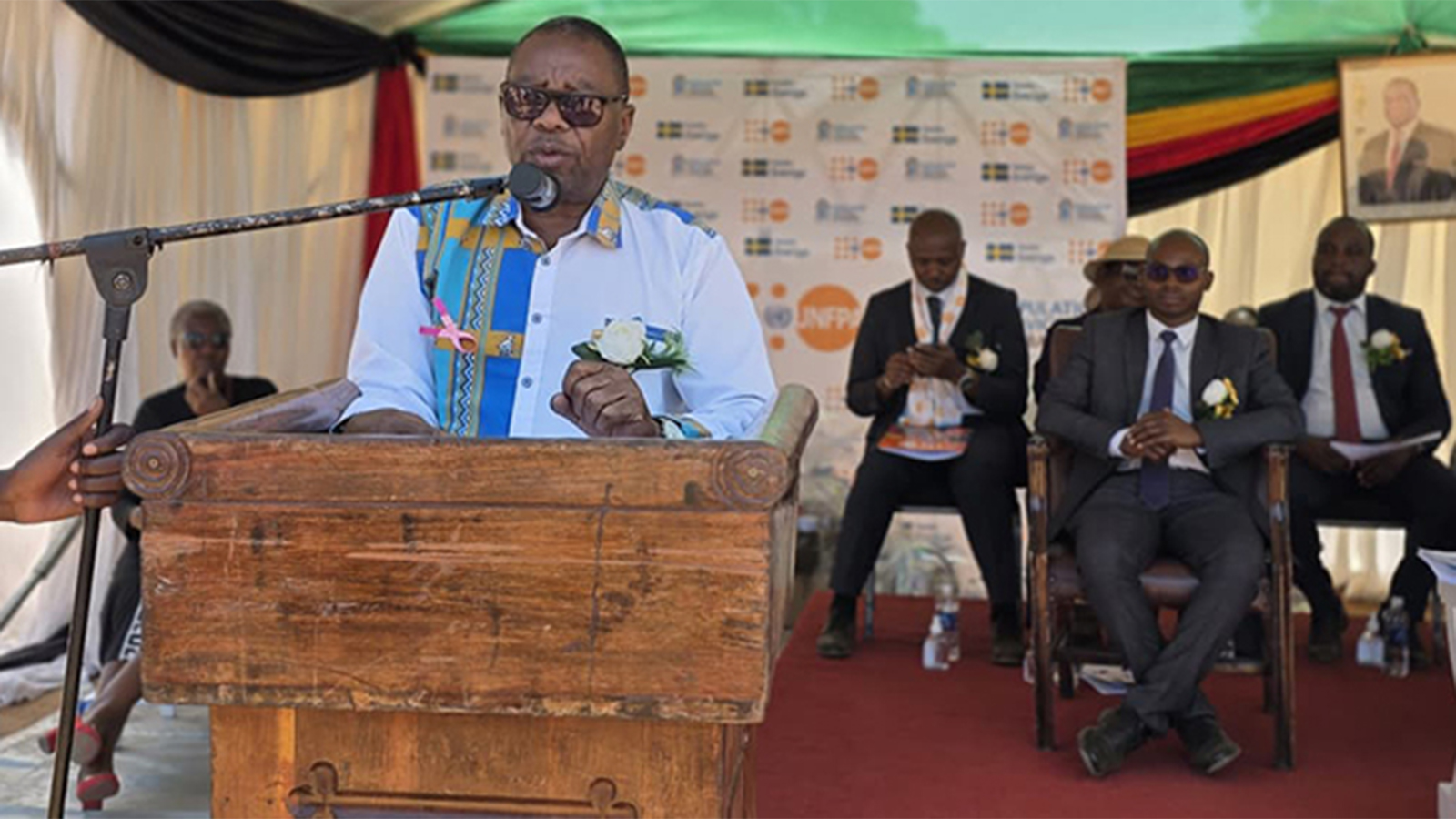
Conrad Mupesa-Mashonaland West Bureau
Zimbabwe launched the Contraceptive Cost Recovery Framework Policy, designed to guide domestic funding for contraceptives to meet the national demand of approximately US$18 million per annum on Friday.
The framework was unveiled in Mhangura during World Contraceptives Day celebrations, where Health and Child Care Minister Dr Douglas Mombeshora emphasised that the policy aligns with the Government’s commitment to providing contraceptives as a right rather than a luxury.
“We are witnessing and adopting strategic efforts of innovation and sustainability. The Zimbabwe National Family Planning Council (ZNFPC), in collaboration with the ministry, stakeholders, and partners, has successfully developed a National Contraceptive Cost Recovery Framework to ensure that adequate stocks of commodities and medicines are procured using domestic resources,” he stated.
This initiative comes at a crucial time when Zimbabwe, like many developing nations, has faced the withdrawal of external donors. Despite these challenges, the country has achieved significant milestones under President Mnangagwa.
“In the past three years, the Government has invested over US$4,5 million to procure contraceptives using domestic resources,” Dr Mombeshora noted.
Zimbabwe has also become one of the first nations in the East and Southern Africa Region to qualify for Match Funding through the United Nations Population Fund (UNFPA) Global Supplies Partnership.
In Mashonaland West, the Government has made positive strides with clinics, community-based distributors, and outreach programs that have expanded access to contraceptives, maternal health services, and youth-friendly care.
The framework aims to overcome challenges in reaching remote communities and addressing cultural barriers. Minister Mombeshora stressed the importance of making family planning services accessible to those in hard-to-reach areas.
He urged stakeholders, including government, civil society, traditional leaders, and youth advocates, to engage in a comprehensive approach to reduce school dropouts due to unintended pregnancies.
Mashonaland West, which has the second-highest adolescent pregnancy rates in Zimbabwe, was chosen to host the event to raise awareness about contraception. Drug and substance abuse has been identified as a contributing factor to rising adolescent pregnancies. Currently, the overall adolescent pregnancy rate in Zimbabwe stands at 23%, with an alarming 31% in Mashonaland West. In comparison, Mashonaland Central has the highest rate at 37%, while Bulawayo has the lowest at 13%.
The 2025 World Contraception Day commemorations were held under the theme: “Contraception: It’s Your Life, It’s Your Responsibility.”