

 admin
admin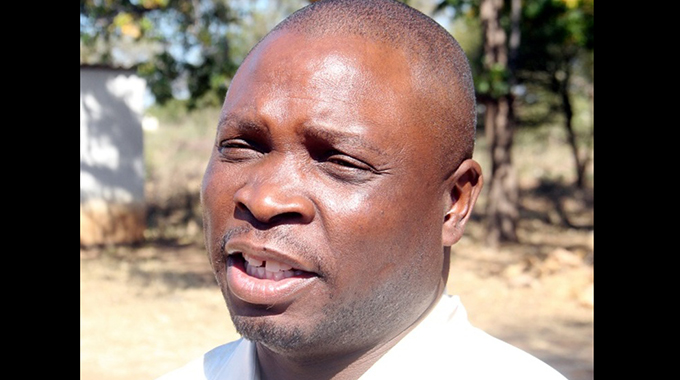
Ivan Zhakata recently in HWANGE
ZIMBABWE has made huge strides in combating poaching of elephants in Hwange National Park, with no poaching recorded there since 2020, Minister of State for Provincial Affairs and Devolution for Matabeleland North Richard Moyo has said.
Speaking at the opening of Hwange National Park’s ranger substation in Makona, established by ZimParks through its partnership with the International Fund for Animal Welfare (IFAW), Minister Moyo said Makona had once had the largest elephant carcasses recorded from poaching, often with poachers using cyanide.
The worst damage was between 2013 and 2018 where more than 200 elephants were lost.
“It has been over 10 years since the cyanide poisoning incidences and it has taken a partner like IFAW to come in and provide a tangible solution to poaching in the area,” Minister Moyo said.
“We need such partnerships to ensure the addressing of critical issues and tackle them adequately. It is with great pride that I mention that since 2020, zero elephants have been poached in the Hwange National Park, and this can be attributed to the continued support from our partner IFAW and others.”
Minister Moyo said conserving wildlife was financially demanding and Zimbabwe cannot effectively implement strategies, management plans, and the multilateral agreements to which it is a signatory without commensurate finance.
“I am grateful for the collaborative efforts of the ZimParks-IFAW conservation partnership for the great work accomplished,” he said. “The infrastructural development of Makona Camp will enhance the conservation and management of Hwange National Park to sustain the desired state of the wilderness qualities and the resource values for the benefit of the present and future generations.
“When we talk about protected area management effectiveness and report to multilateral agreements to which we are signatories, it is such impact that continues to raise our country’s flag. I am confident that Zimbabwe will sustain its position as a world leader in nature conservation.”



 Online Reporter