

 dyton mupawaenda
Farai Dauramanzi–Herald Reporter
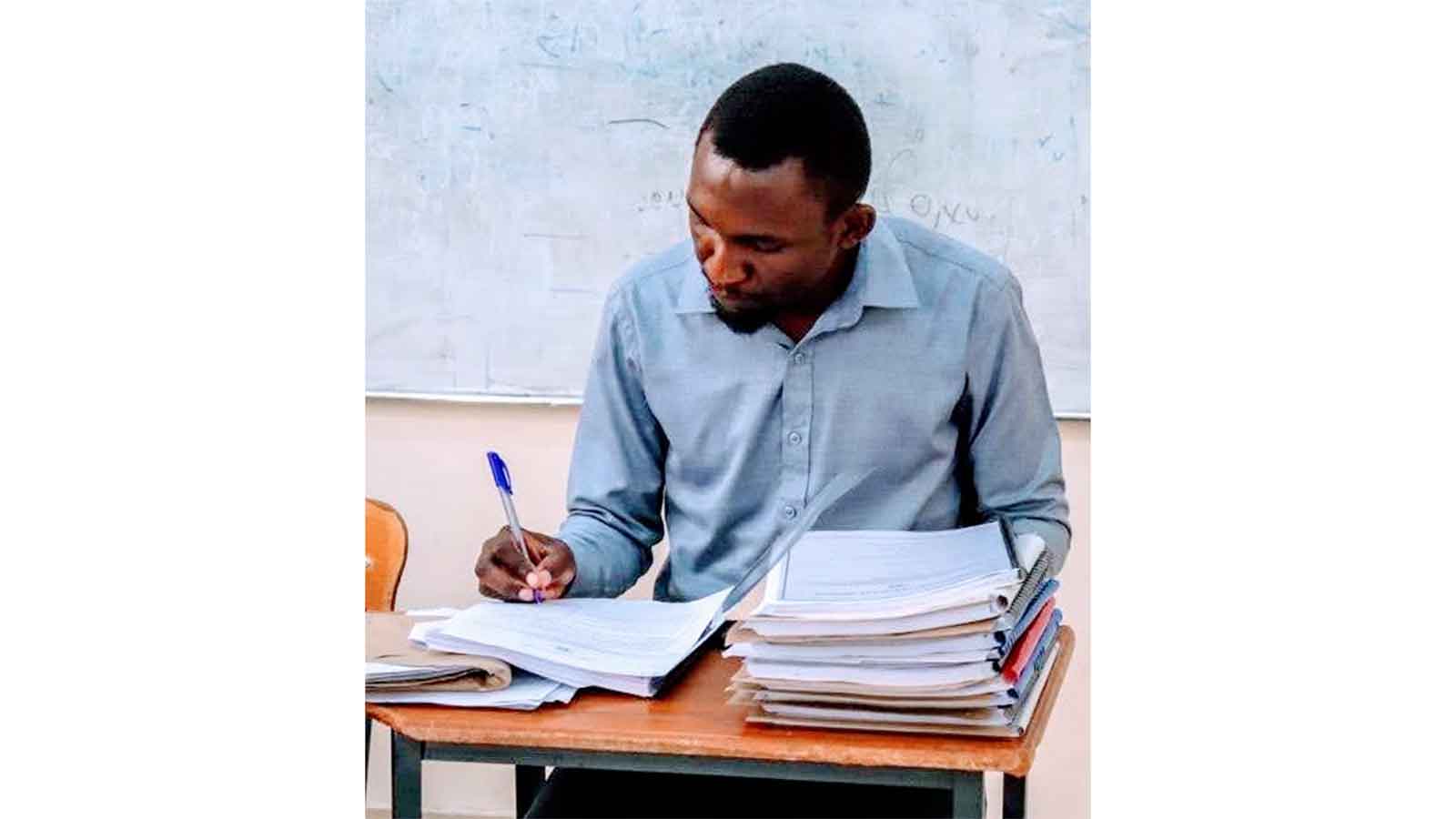
Zimbabwean Thompson Chengeta (38) has been appointed to the United Nations Secretary General’s 15-member advisory board on disarmament matters.
Born in Shurugwi and growing up in the villages of Nhema, Hwinya and Chachacha, where he used to look after cattle barefooted, he has been appointed by UN Secretary-General Mr Antonio Guterres.
Mr Chengeta’s key areas of expertise and interest lie in examining the disarmament implications of military artificial intelligence, including autonomous weapon systems from a human rights law perspective.
He received his internship at the UN Office of the High Commissioner for Human Rights.
The UN Advisory Board on Disarmament Matters was established in 1978 according to paragraph 124 of the Final Document of the Tenth Special Session of the General Assembly. It received its current mandate under General Assembly decision 54/418 of December 1, 1999.
Functions of the Board are to advise the UN Secretary-General on matters within the area of arms limitation and disarmament, including on studies and research under the auspices of the UN or institutions within the UN system, and to serve as the board of trustees of the United Nations Institute for Disarmament Research (UNIDIR).
In his invitation, Mr Gutteres said Mr Chengeta’s experience and knowledge will enhance the work of the Board.
“Your experience and knowledge will enhance the work of the board, both in its advisory capacity on disarmament issues and in its role as the board of trustees of the United Nations Institute for Disarmament Research (UNIDIR),” said Mr Guterres.
In his response, Mr Chengeta expressed his appreciation for the honour and said he eagerly looks forward to contributing in his new capacity.
“As one whose life began in the rural areas of Shurugwi in Zimbabwe, in the villages of Nhema, Hwinya, Chachacha etc, where my little cracked-bare feet more fully followed the flock than they tracked to far away schools, this appointment is an honour and truly appreciated.
“Now that one of my key areas of expertise and interest lies in examining the disarmament implications of military AI, including autonomous weapon systems, from a human rights law perspective, I’m equally pleased that last October, the UN General Assembly adopted Resolution A/C.1/78/L.56 requesting the UN Secretary-General to seek the views of states and other stakeholders on the humanitarian, legal, security, and ethical challenges posed by autonomous weapon systems,” he said.


 Peter Tanyanyiwa
 Online Reporter