Thupeyo Muleya in LUSAKA, Zambia
THE National Museums and Monuments of Zimbabwe is taking steps to preserve the country’s liberation war heritage by rehabilitating shrines in Mozambique and Zambia where ZANLA and ZIPRA forces were based during the struggle.
This initiative was announced by the National Museums director Mr Lovemore Mandima at the Kavalamanja/Kakaro commemoration, a joint event hosted by Zimbabwe and Zambia to honour fallen heroes in the Luangwa district of Zambia between Friday and Saturday.
The commemoration is an annual event held to honour the victims of the March 6, 1978, Battle of Kavalamanja, which pays tribute to Zambian soldiers and civilians killed by Rhodesian forces during Zimbabwe’s liberation struggle.
This also follows a tour of liberation war shrines in Zambia, Mozambique, Angola and Tanzania by Vice President Dr Kembo Mohadi recently to appreciate the state of liberation war shrines.
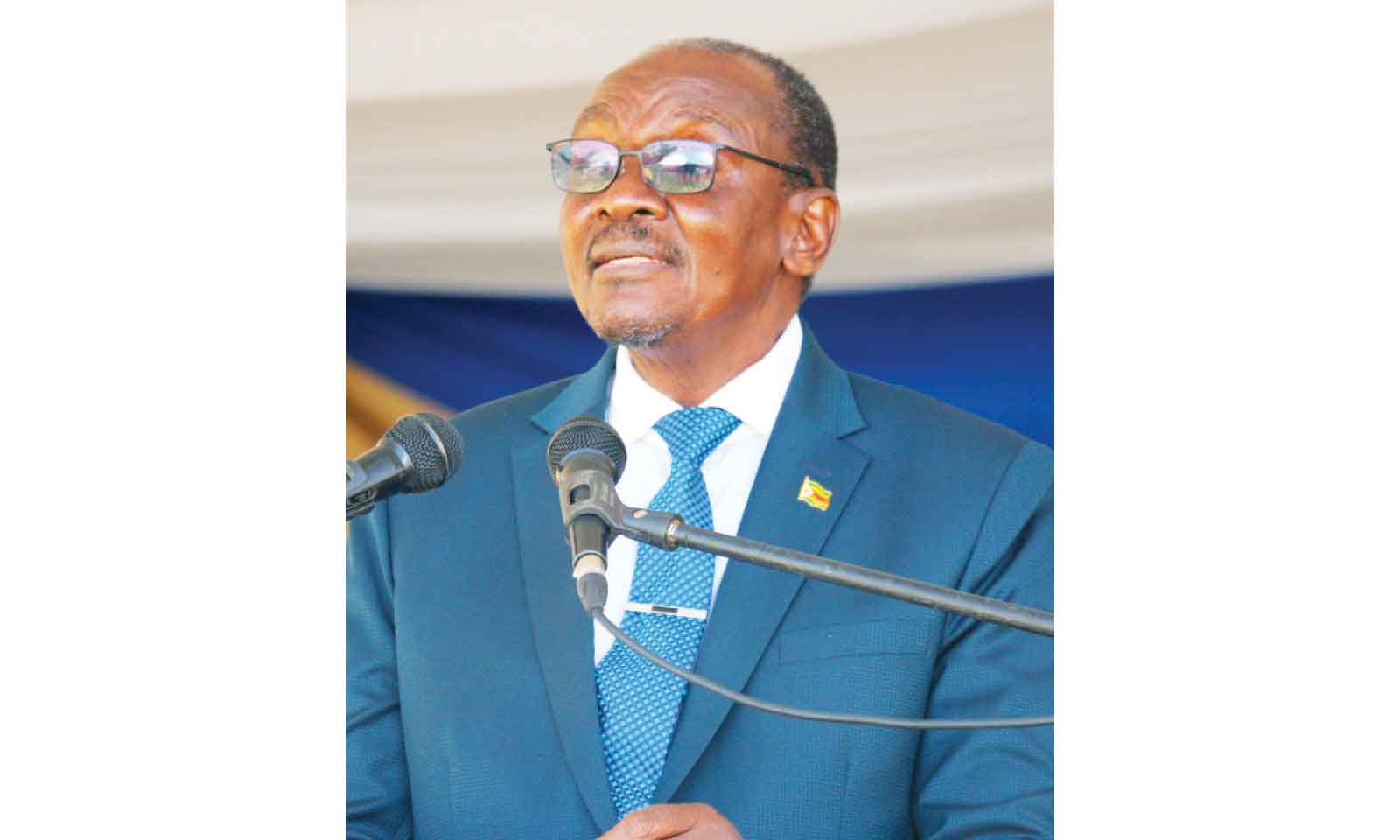
VP Mohadi also officiated at the commemorations, emphasising the importance of preserving the country’s liberation history.
“As National Museums and Monuments of Zimbabwe, a parastatal under the Ministry of Home Affairs and Cultural Heritage, we are doing quite a lot in rehabilitating the war shrines across the Southern region,” said Mr Mandima.
“So far, we are working on shrines in Mozambique and Zambia. For Zambia, we are working on the rehabilitation of Nampundwe shrine, which is 32km west of Lusaka, Freedom Camp, 21km north of Lusaka, and Mlungushi, 50km from the City of Kabwe.
“We have lined up a lot of activities, for Zambia and we intend to put advanced levels of granite topping at the two mass graves at Kavalamanja, and a borehole for the site and community of Kavalamanja and also a perimeter fence at the site covering the clinic, the anti-air point, the bombing point and Captain Kalima’s trench who was the commander of the soldiers deployed to the area at that time which fought side by side with Zimbabwean freedom fighters”.
Mr Mandima also stated that they will install some interactive panels for the key sites around the Kavalamanja shrine, which include the anti-air position, the camp clinic and the bombing site.