Tawanda Musarurwa in VICTORIA FALLS
ZIMBABWE is moving to ratify two International Labour Organisation (ILO) conventions, one on workplace safety and one on violence and harassment at work, as Government seeks to align its labour framework with international standards.
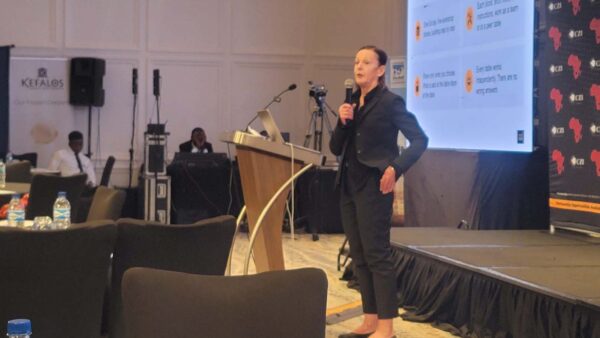
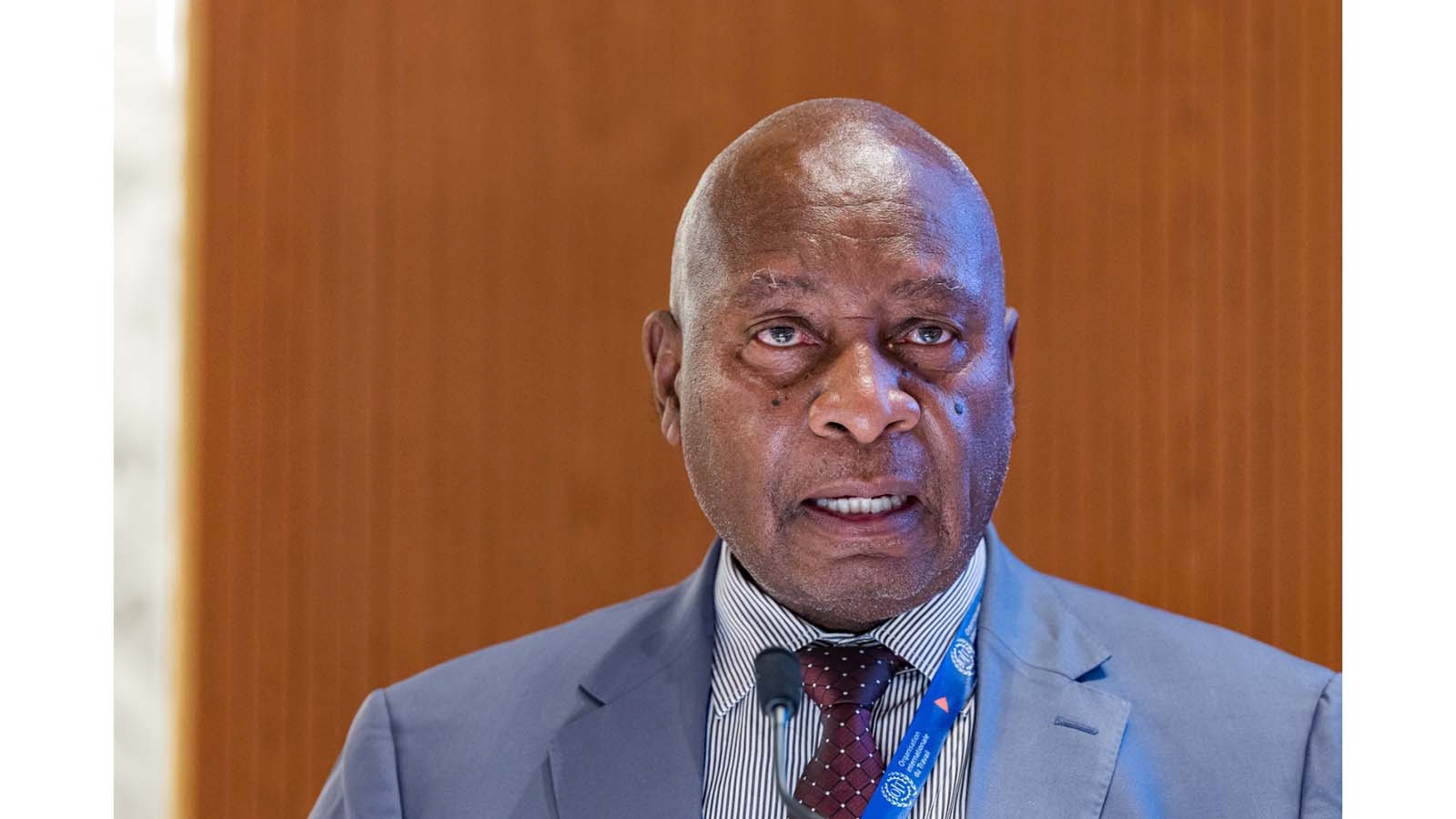
Addressing the 63rd National Safety and Health at Work (SHAW) Conference on Thursday, Public Service, Labour and Social Welfare Minister Edgar Moyo said the ratification instruments for ILO Convention 187 and Convention 190 had cleared the Cabinet Committee on Legislation and were now before Parliament.
“Zimbabwe remains committed to aligning its occupational safety and health framework with international best practice and international labour standards,” Minister Moyo told delegates.
Convention 187 covers the promotional framework for occupational safety and health.
It seeks to build a preventive safety culture and drive continuous improvement of national safety systems. Minister Moyo said its principles were already reflected in the new Occupational Safety and Health (OSH) Bill.
Convention 190 recognises the right of everyone to a world of work free from violence and harassment, including gender-based violence.
Zimbabwe has already taken “important legislative steps” through amendments to the Labour Act, which incorporated key provisions aligned with the convention, he said.
The ratifications come as the OSH Bill nears enactment.
The Bill will repeal and replace the Factories and Works Act and the Pneumoconiosis Act, and will make hazard identification and risk assessment the cornerstone of workplace safety management.
Minister Moyo said it would then go to President Mnangagwa for assent.
Minister Moyo said Government’s own workplaces must lead by example.
“Occupational safety and health must begin within its own institutions,” he said.
The Public Service Commission is leading a programme to formulate and implement comprehensive OSH policies across ministries, departments and agencies by the end of this year.
The aim is to institutionalise OSH management systems across the Public Service and make Government workplaces “models of good occupational safety and health practice.”
The National Social Security Authority (NSSA) has supported the effort with awareness, training and capacity-building programmes for directors, chief directors and permanent secretaries.
The goal, Minister Moyo said, is to ensure leadership “at all levels understands its responsibilities.”
The commitment follows a long-standing gap.
Government workplaces have largely escaped enforcement under existing safety law, a gap the new Bill is expected to close.
Rising toll
Minister Moyo put the case for reform in stark numbers.
Reported injuries rose about 4 percent to 4 414 in 2025, from 4 242 in 2024.
Fatalities rose 11,4 percent to 78, from 70.
The first half of 2026 shows no improvement.
By June, 2 442 disabling injuries had been reported, up 8 percent from 2 263 in the same period last year. Fatalities rose 30 percent, from 40 to 52.
That is already equal to two-thirds of last year’s full-year total.
“Such needless loss of life and deaths at work is unwarranted,” Minister Moyo said, adding that the policy shifts underscored Government’s commitment to move towards zero harm in the workplace.
He called for shared responsibility among social partners “to realise zero work related injuries, fatalities and diseases.”
Minister Moyo cautioned that laws alone would not change workplace behaviour.
“Legislation alone is not enough,” he said.
“A strong occupational safety and health culture can only be achieved through continuous education, awareness and advocacy.”
Government is also drawing up supporting statutory instruments to operationalise the Bill’s provisions once it becomes law.
Minister Moyo urged all stakeholders to begin preparing for “this new era in occupational safety and health management.”
Government and NSSA have stepped up nationwide awareness campaigns on the new legal framework.
They have also trained journalists in Harare and Gweru to report on workplace safety.
He linked the agenda to national development, saying safety and health at work were “development issues, productivity issues, and social justice issues.”
Government sees them as integral to its aim of an upper-middle-income economy by 2030.
The conference is being held under the theme Vision Zero: Safety, Health and Wellbeing.
ENDS_