admin
adminPhinias Tafa Infrastructure Report
As I continue to discuss options through which the Government of Zimbabwe can fund or finance its infrastructure demands, which as we all agree continue to age due to population growth and decay of current facilities, I have chosen to touch on a sensitive and controversial topic: the country needs a public infrastructure tax. Yes read this article to the end and then make your judgment.
Last week I proposed Local Asset Backed Vehicles (LABVs) and the feedback, especially from local authorities, is encouraging. We are positive that from as early as next year the country could start to witness a roll out of LABVs in certain municipalities.
Just to recap, LABVs are 50/50 public infrastructure investment structures between public entity or entities and private investors. Their attractiveness depends on the potential return; hence some areas like rural areas may not be that attractive. Private investors like LABVs because 50% risk of the projects will remain with government, thus reducing their exposure.
Nonetheless the success of these approaches depends on political manoeuvring and bargaining. Hence there must be real political support and will power and also strict due diligence to vet capacity of the private partner and viability of the whole project.
Now turning to this week’s topic, yes the country needs a public infrastructure tax. The taxes currently levied on Zimbabweans are income tax, PAYE, VAT, withholding taxes, excise duty, special excise duty, capital gains tax, carbon tax, road tolls, surtax, stamp duty, customs duty and presumptive taxes inter alia. Add to these different levies such as manpower development levy, standards development levy, NSSA and workers’ compensation insurance. This has made the Zimbabwean worker heavily taxed. Nonetheless we need to look at the facts and merits of an infrastructure tax.
Despite Zimbabwe being a sovereign government, sadly it is not the issuer of the currency in use, hence its revenue constraints. Therefore, its major way to fund planned public spending lies in the erection of elaborate tax-harnessing institutional and accounting structures.
I started preparing this article last week and was excited to wake up on Monday to news that government had gazetted a rental and development levy for the resettled farmers with permits and 99-year leases. The five dollar per hectare per year development levy will be used to fund maintenance of roads and other infrastructure in the farming areas. From this, Government can mobilise around $20 million per year.
Some people in our country are of the belief that we don’t have a funding problem but we have more of a spending problem. They argue that if the money being collected by Government was used for what they term good use, then the country could be progressing at a faster rate. However, given the huge national deficits our problems are both of funding and spending nature.
To address the fears of critics of the public infrastructure tax, I am proposing that the Government restructure the tax regime so that the new tax will be accommodated without raising the current level of total taxation. This will have to see some taxes and levies go away or have their rates reduced.
The collected infrastructure tax must not go into the Consolidated Revenue Fund but should go into a National Infrastructure Trust Fund (NITF).
The NITF will be administered by the National Infrastructure Commission. This commission, or whatever name it may be called, must be made into a non-partisan professional organisation. Government’s role must be limited to supervisory and not interference. Commissioners must be people of high repute and high expertise in infrastructure development and relevant fields which steer infrastructure development.
America has more or less a similar arrangement. In fact theirs is at the federal and at the state and local levels. At the federal level, five such trust funds are in operation for airports, highways, water resources, harbours and inland waterways. For example American highways are primarily financed by the Highway Trust Fund, which gets over 70% of its funding from a fuel tax of around 15 cents per litre.
Although this is an indirect tax, Zimbabwe could do better with a direct tax given the level of our tax administration in comparison to the developed world. We should draw lessons and motivations from America’s trust funds in the area of national infrastructure funding.
A national infrastructure tax will give the country money dedicated to nothing but national infrastructure. All its collections will be spent on infrastructure, with the commission establishing priorities and allocations.
One of the reasons for public annoyance with taxes is that people cannot see what they pay for. However, that is not the case with a well administered infrastructure tax that results in long-term investments that make Zimbabweans’ lives easier, more productive and more enjoyable.
I hear voices saying but we already have ZINARA and tollgates. The answer is the toll fees we pay are user charges and these are justified where the development’s capital was funded more from private sector finance.
User charges are also not always feasible or appropriate. User charges are not appropriate where there are very low marginal costs of use, e.g. a bridge in rural Munamba in Murewa. A positive externality or safety equity reason may put challenges for full marginal cost pricing. For example when public transport is safer than private vehicle use, people may leave their cars parked home and travel to Bulawayo in a luxury coach, thus avoiding paying toll fees. Therefore such circumstances justify the need for a dedicated national tax to publicly finance transport.
In conclusion, it must be emphasised that where Government bears the significant liability of servicing public infrastructure costs, as is the case with our country, a national tax is justified. Given the high level of country risk and poor investment rankings, Honourable Chinamasa is therefore the de facto real financier of the country’s infrastructure.
This publication is meant for general guidance and represents the writer’s understanding of the subject. Where specific advice for specific cases is required, it should be sought from the writer.
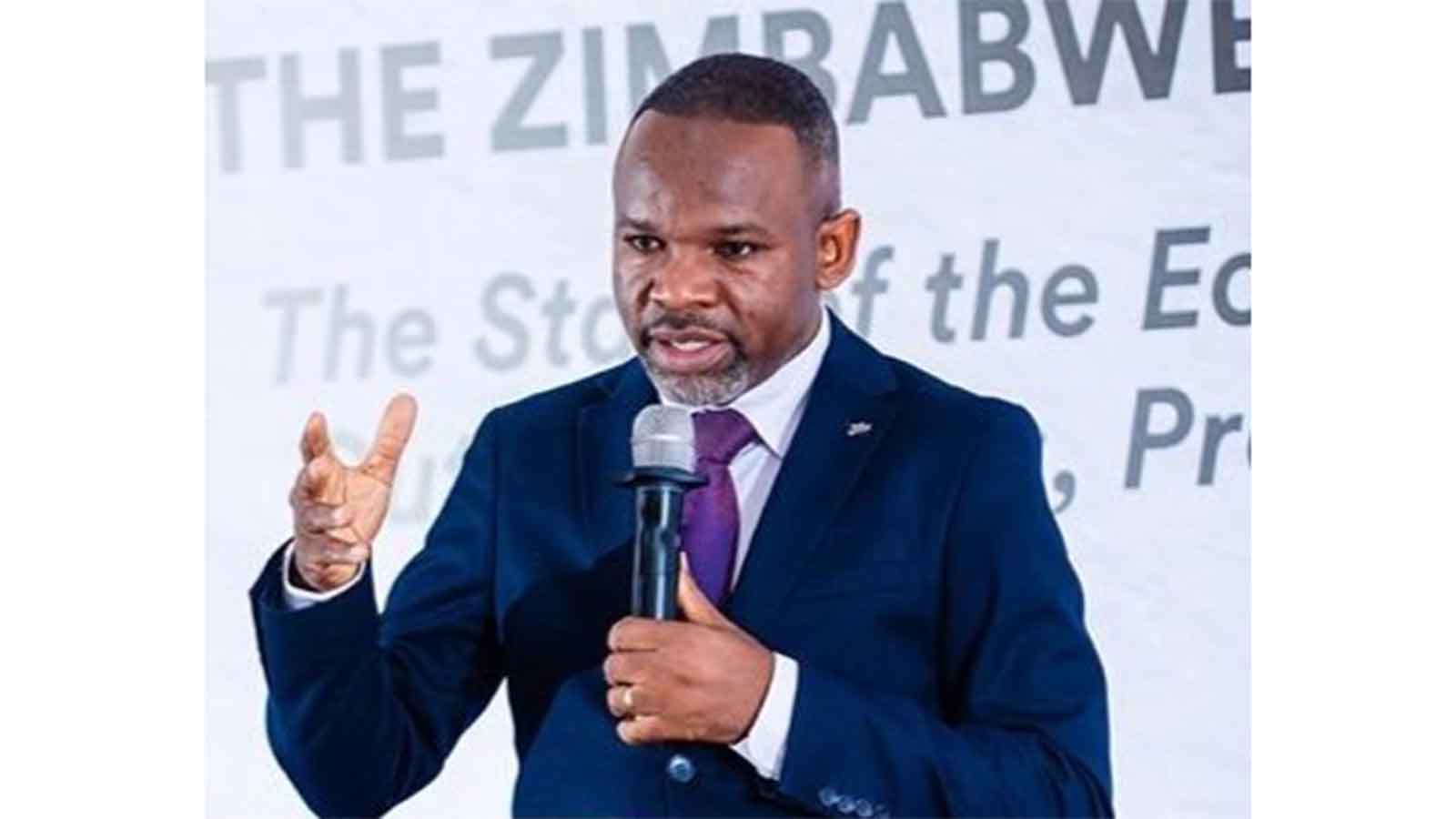
Phinias Tafa is an infrastructure development consultant, and his focus lies more in public infrastructure. He is the Head Consultant of the African Centre For Real Estate and Land Economics (ACRELE). [email protected] or skype phin.tafa


 Online Reporter