Muchaneta Chimuka
ZIMBABWE has officially opened the 23rd Meeting of the Committee of Senior Trade Officials on the African Continental Free Trade Area (AfCFTA) in Harare, placing tourism, investment promotion and intra-African trade integration at the centre of the two-day agenda.
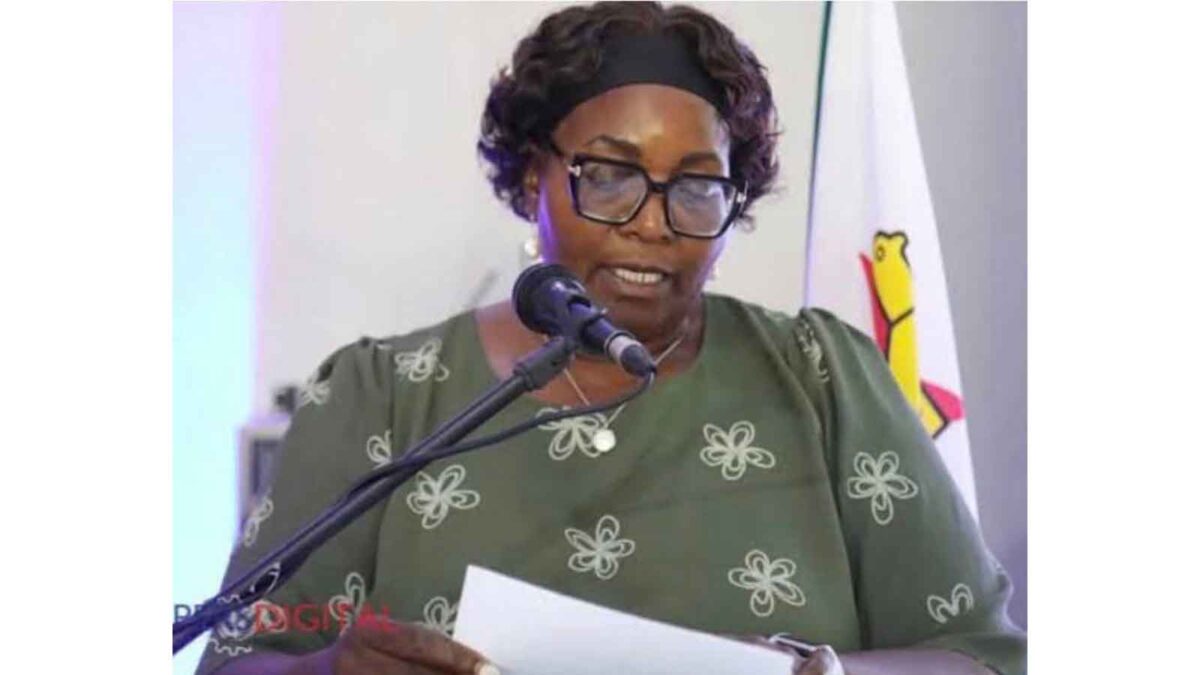
Addressing delegates at the opening session, Zimbabwe’s envoy to Botswana and Acting Secretary for Foreign Affairs and International Trade, Ambassador Petronella Nyagura, said hosting the institutional meeting aligns with the National Development Strategy 2 by driving job creation, private-sector-led growth and foreign direct investment in the hospitality sector.
“Our hospitality goes beyond mere courtesy; it is rooted in our Constitution, which mandates the State to promote regional and pan-African cultural, economic and political cooperation, and integration, and to participate in international and regional organisations that stand for peace and for the well-being and progress of our region, the continent and humanity,” she said.
Ambassador Nyagura noted that while the AfCFTA connects 55 countries and 1,4 billion people with a combined gross domestic product exceeding US$3 trillion, intra-African trade remains low due to fragmented markets, restrictive barriers and infrastructure deficits in transport, energy and digital networks.
“The AfCFTA is the largest free trade area in the world, bringing together 55 countries, 1.4 billion people and a combined economic output of more than three trillion United States dollars,” she said.
“Yet the full benefits of this historic bloc are yet to be fully realised, as intra-African trade accounts for roughly only 15 percent of the continent’s total trade.
“Paradoxically, African goods often travel to distant markets, even as neighbouring countries across borders require the same products.”
She urged member states to shift from exporting raw materials to building regional value chains, creating youth employment and accelerating industrialisation.
“It is precisely this challenge that the AfCFTA was designed to address. The AfCFTA is more than just a trade agreement,” she said.
“It represents Africa’s collective response to the pressing questions of industrialisation, job creation for its youth, and securing the continent’s rightful place in the global economy.
“For far too long, we have exported our raw materials to feed the industries of others, only to import the finished goods at a far higher price. That has cost us jobs, revenue, and the opportunity to industrialise.
“The AfCFTA is how we break this cycle. Africa must process what it produces, and build its own industries and value chains. We must increase trade among ourselves, so that the wealth of our resources, our heritage, benefits our own people.”
To operationalise the single continental market, Ambassador Nyagura called for the conclusion of outstanding protocol negotiations, the elimination of non-tariff barriers, the implementation of tariff schedules and increased investment in cross-border infrastructure, digital platforms and the Pan-African Payment and Settlement System (PAPSS).
“We need to expand access to finance, information, and skills for our small and medium enterprise women and youth, and deepen coordination among Member States, Regional Economic Communities, and the AfCFTA Secretariat,” she said.
“The Agreement will deliver only as much as we implement. Signatures and ratifications open the doors, but true intra-regional trade only happens when we honour tariff schedules, enforce workable Rules of Origin, and uphold our commitments to trade in services.
“For Zimbabwe, the AfCFTA is central to our aspiration to become an upper-middle-income economy by 2030.
“It offers our manufacturers, miners, farmers and service providers a continental home market. We approach this in the spirit of Agenda 2063 and the conviction that Africa’s prosperity will be built by its people.“
The meeting—which concludes tomorrow, Wednesday—is attended by AfCFTA Secretariat Secretary-General Wamkele Mene, senior trade officials and representatives from the African union Commission and Regional Economic Communities.