

 admin
admin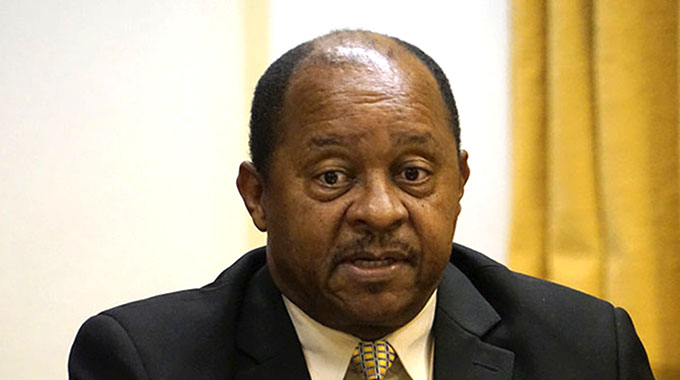
Leonard Ncube in VICTORIA FALLS
ZIMBABWE and other African states are pushing for the establishment of an African medicines agency in an effort to reverse the trend whereby the continent is being turned into a dumping ground for counterfeit medicines.
Plans for harmonised health processes started a decade ago with the establishment of the African Medicines Regulatory Harmonisation (AMRH) Initiative.
The focus is now on the African Medicines Agency although only five countries, including Zimbabwe, have shown commitment.
Addressing the Fourth Biennial Scientific Conference in Medical Products Regulation in Africa (SCoMRA IV) delegates in Victoria Falls recently, Health and Child Care Minister Dr Obadiah Moyo said Africa has weak regulatory frameworks for the manufacture of medicines.
“The continent is faced with the threat of substandard and falsified medicines due to weak regulatory frameworks,” he said.
“It is, therefore, important to build capacity for medicines regulation in Africa and enhancing local production of pharmaceuticals to counter these challenges and ensure our population has timely access to safe and effective quality medicines.”
Minister Moyo said there was need to guard against the influx of fake medicines that put citizens’ lives at risk.
“We want safe efficient products that are available at the shortest possible time which is why it is necessary for Africa to harmonise so we independently manufacture our own medicines,” he said.
“We want a situation where medicines manufactured in one country can easily be utilised in another for safety of citizens and efficiency in treatment of diseases.”
Minister Moyo said 80 percent of Zimbabwe’s medicines were imported from India and called for local pharmaceutical players to be capacitated to manufacture health products.
“For any country to execute a perfect healthcare system there is need for adequate medicines,” he said.
“It becomes very relevant that one of the issues is self-sustaining in the manufacturing of medicines within our countries.
“In Zimbabwe, 80 percent of our supplies are coming from India while Uganda imports about 90 percent.”
Minister Moyo said Africa should strengthen its health manufacturing sector so that it is in a position to standardise the regulatory processes to ensure medicines are easily assessed and tested.
AUDA-NEPAD director Professor Aggrey Ambali said harmonising regulations will help the continent in eliminating counterfeit medicines.
“Our role as an African Union agency is to bring countries together so that we build that capacity,” he said.
WHO director Dr Emer Cooke urged member states to adopt a pan-Africanist approach and work together for quality products and develop competences
The theme for the conference was “A decade of regulatory harmonisation in Africa, where are we? Where do we go from here?”
The conference was attended by more than 300 delegates, among them regulators, service providers and funders from Africa and beyond.



 Online Reporter