Online Reporter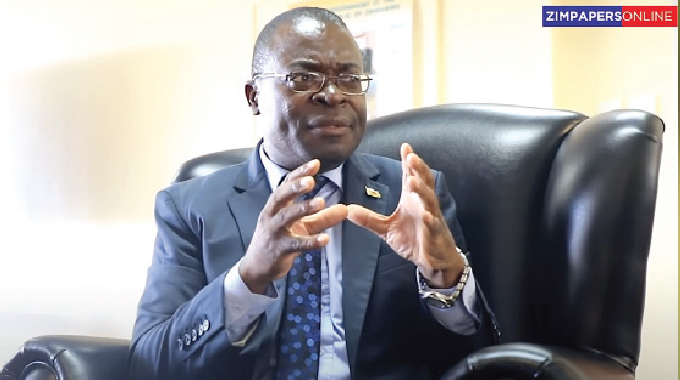
Kudakwashe Mugari in DURBAN, KwaZulu-Natal
ZIMBABWE has challenged SADC to move beyond declarations and turn regional integration commitments into tangible benefits for citizens, as South Africa prepares to take over the bloc’s leadership at the 46th Ordinary Summit here tomorrow.
Foreign Affairs and International Trade Minister Professor Amon Murwira made the call yesterday as Zimbabwe handed over the SADC Council of Ministers chairmanship to South Africa ahead of the Heads of State and Government Summit, which President Mnangagwa is expected to attend.
The summit, to be hosted by South African President Cyril Ramaphosa at the International Convention Centre, will be held under the theme “Resilient, Sustainable and Inclusive Industrialisation through Infrastructure Development, Agricultural and Critical Minerals Transformation in Pursuit of a Just World”.
Prof Murwira said SADC needed to translate its vision into practical programmes that improve the lives of people across the region.
He identified peace and security, industrialisation, infrastructure development and social and human capital as the four pillars underpinning the region’s common future.
Prof Murwira said the pillars should be pursued as an integrated package, with member states working collectively rather than pursuing development in isolation.
“Let us stop and paint our common future, for our future must look like something tangible and inspiring,” he said.
“Our common future is anchored on the four pillars of our SADC blueprint, which form an integrated package that we must embrace in its entirety — peace and security as our foundational rock; industrialisation as the engine that transforms our raw heritage into wealth; infrastructure development to connect our markets and our hearts; and social and human capital to ensure our people are the true authors of their development.
“None of these pillars can stand alone and no nation can walk this path in isolation.”
Prof Murwira called for the removal of barriers to the movement of goods and services, while urging countries to strengthen science, technology and innovation in agriculture and industry.
He called for greater resource beneficiation within the region, increased intra-SADC trade, regional value chains and stronger financing of regional programmes.
The push for beneficiation comes as SADC countries seek to derive greater economic value from the region’s abundant deposits of critical minerals rather than exporting raw materials.
Prof Murwira said Zimbabwe’s election to the United Nations Security Council as a non-permanent member for 2027-2028 would provide an opportunity to advance the collective interests of SADC and Africa.
He said Zimbabwe would continue advocating for Africa’s priorities and amplifying the continent’s voice within the global peace and security architecture.
South Africa, which assumes the SADC Council of Ministers chairmanship, pledged to build on the work undertaken by Harare and advance regional priorities collectively.
South African Foreign Minister Ronald Lamola said critical minerals should be beneficiated within the region to create jobs, strengthen economies and boost intra-SADC trade.
He identified reliable energy, transport networks, digital connectivity and water infrastructure as key requirements for deeper regional integration.
Agricultural transformation, climate resilience, disaster risk management and the free movement of people were also highlighted as priorities for the incoming chairmanship.
SADC Executive Secretary Mr Elias Magosi said the region had made progress in areas including energy, digital connectivity, trade, investment and agriculture, but needed renewed efforts to deepen integration.
He called for increased intra-regional trade and investment, as well as greater investment in research, technology and innovation.
Agriculture, he said, remained central to regional food security and livelihoods, while countries also needed to strengthen preparedness for climate change, health emergencies and disasters. The SADC Summit, as the regional bloc’s supreme policy-making body, is expected to provide strategic direction and set priorities for regional cooperation and development under South Africa’s chairmanship.