Online Reporter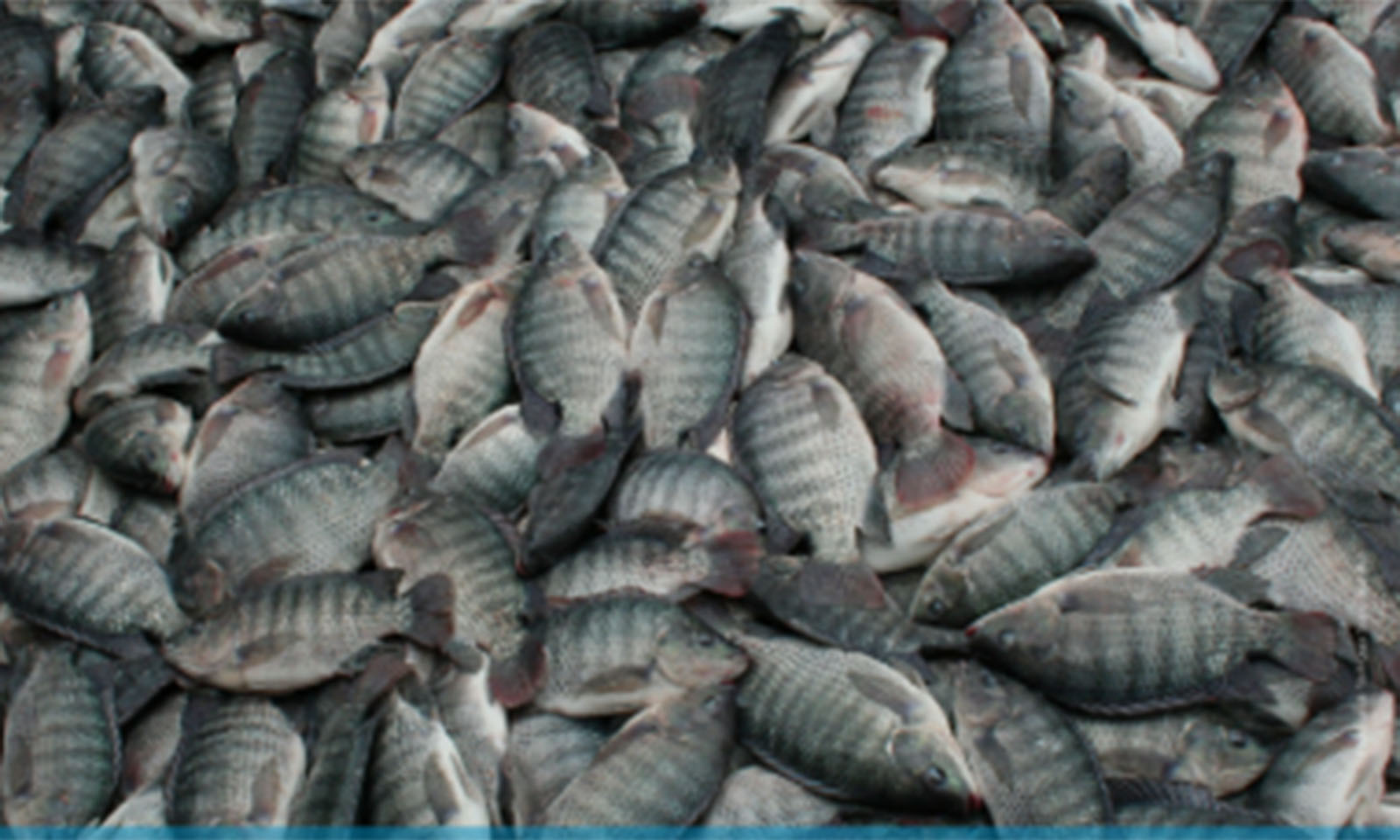
Theseus Shambare
ZIMBABWE’s aquaculture sector has received a major boost following the delivery of 3 600 high-quality tilapia broodstock from the Food and Agriculture Organisation of the United Nations, a move set to strengthen the country’s fish breeding capacity and expand production across all provinces.
The broodstock — mature parent fish used for breeding — will enhance the quality and quantity of fingerlings available to fish farmers nationwide, thereby improving productivity, food security, and rural incomes.
Ensuring access to genetically diverse broodstock is considered essential for sustainable aquaculture growth.
The handover ceremony, held at Henderson Research Station in Mazowe on Wednesday, marked a milestone in efforts to upgrade Zimbabwe’s aquaculture seed systems under the FAO Technical Support to Enhance Fish Breeding and Production Project, implemented in partnership with the Ministry of Lands, Agriculture, Fisheries, Water and Rural Development.
Under the programme, 3 600 broodstock, including 900 males, were delivered to Henderson Research Station, while Makoholi Hatchery in Masvingo and Matopos Hatchery in Matabeleland South each received 2 000 broodstock, including 500 males per site.
The stocking follows a 1:3 male-to-female ratio designed to maintain genetic diversity and breeding efficiency.
Speaking at the event, FAO Agrifood Systems Coordination Specialist, Mr Phillip Goredema, said the intervention is part of a broader effort to support small-scale fish farmers through access to high-quality fingerlings.
“FAO is pleased to hand over this improved broodstock to strengthen Zimbabwe’s aquaculture breeding capacity,” he said.
“This investment supports small-scale fish farmers, promotes sustainable aquaculture and enhances the country’s food security and nutrition outcomes.”
Government officials welcomed the donation, describing it as a timely boost to the national aquaculture development programme.
Mrs Chenjemulene Madzivanyika, Fisheries Officer in the Fisheries and Aquaculture Resources Department (FARD), said the collaboration with FAO was helping modernise hatchery systems and improve genetic management.
“With support from FAO, we are strengthening genetic management and expanding access to quality fingerlings for farmers across the country. This programme will boost fish production, rural incomes and nutrition outcomes,” she said.
The initiative complements national projects such as the Presidential Community Fisheries Scheme and the Presidential Rural Development Programme, both aimed at empowering rural communities through aquaculture and sustainable livelihoods.
In addition to supplying broodstock, FAO has also supported the development of national hatchery management guidelines to standardise operations, improve biosecurity and ensure the traceability of fish seed production.
FAO Assistant Representative – Programmes, Ms Tendai Munyokoveri, said the new guidelines offer a comprehensive framework for strengthening hatchery systems both technically and institutionally.
Zimbabwe’s aquaculture sector — largely dominated by Nile tilapia — continues to grow as the Government and its partners work to modernise breeding facilities, safeguard genetic resources, and promote fish farming as a driver of food security, employment, and rural economic growth, particularly for women and youth.