malvernmugadzikwa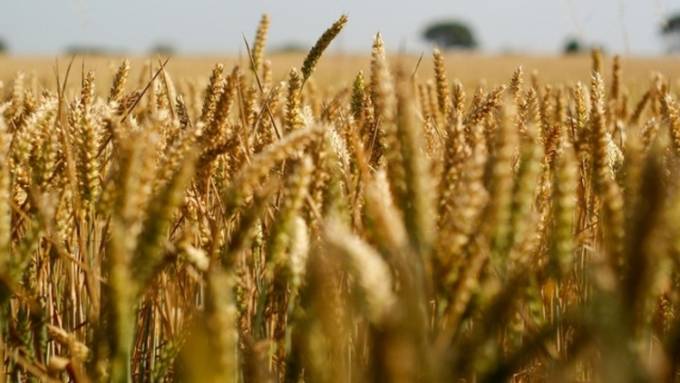
Theseus Shambare
THE Department of Migratory Pests and Biosecurity Control (DMPBC) recently took delivery of nine new hi-tech pest control drones that will be used to manage quelea birds during the current winter wheat farming season.
DMPBC director Mr Shingirai Nyamutukwa said acquisition of the advanced equipment showed Government’s commitment to protect crops from pests.
Quelea birds account for 95 percent of wheat losses annually.
“We are happy that the long wait is over,” he said.
“We received nine AGRAS T40 drones, the latest versions in agricultural operations. Maximum yields can only be achieved when we protect the crops in the field.
“To keep the dream of food security alive, Government saw it fit to employ technology to safeguard the critical cereal from pests.”
An AGRAS T40 drone is capable of carrying 40 litres of chemicals and uses three litres of fuel to spray over a hectare.
The drone can spray a 40ha roosting site within 30 minutes. Each unit costs between US$27 000 and US$30 000.
Ten officers are now set to undergo training to operate the drones before deployment to eight provinces.
A team will be stationed at the Quelea Command Centre in Harare for rapid response to sightings of the birds.
This year, farmers have put 86 000ha under wheat, with production expected to surpass 408 000 tonnes.
Last season, the authorities used drones from the Zimbabwe National Geospatial and Space Agency to control the pests.
Previously, quelea bird control was done through spraying chemicals. Tractor-mounted sprayers and motorised back-pack sprayers were used.
Farmers also trapped the birds using nets or blew vuvuzelas to scare them away.
The small red-billed weaver bird feeds on cereals like wheat, sorghum, millet, rice and barley. Each bird can feed on four grammes of wheat per day.
Experts say a million birds can destroy 40 000 tonnes of cereals per day.
Meanwhile, Agricultural Advisory and Rural Development Services senior agronomist Mr Izah Jaidi said: “Apart from quelea birds, farmers need to scout and protect wheat against fungal diseases, which become prevalent as temperatures begin to rise.
“Having a diseased leaf is like having a factory worker reporting for duty when they are sick. Their efficiency is reduced, so is the output.”



 Online Reporter