Prosper Ndlovu in Moscow, Russia
ZIMBABWE is partnering with Russia in pharmaceutical manufacturing and advanced cancer treatment to combat the rising burden of Non-Communicable Diseases and strengthen domestic health security.
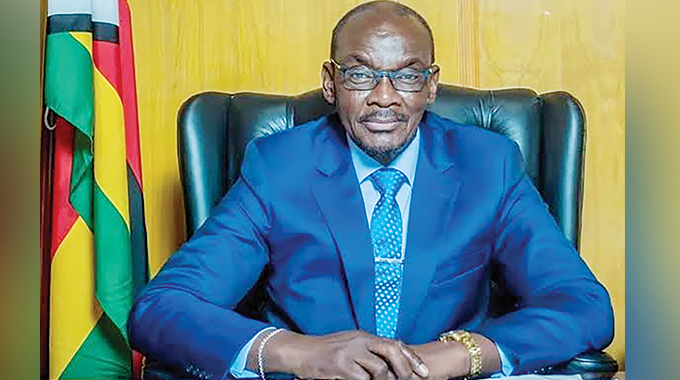
Vice President Kembo Mohadi, who arrived in Moscow on Saturday is in St Petersburg today to tour a major Russian pharmaceutical manufacturer and finalise bilateral partnership agreements following preliminary meetings by technical teams.
The visit operationalises agreements reached between President Mnangagwa and Russian President Vladimir Putin at the Russia-Africa Summit.
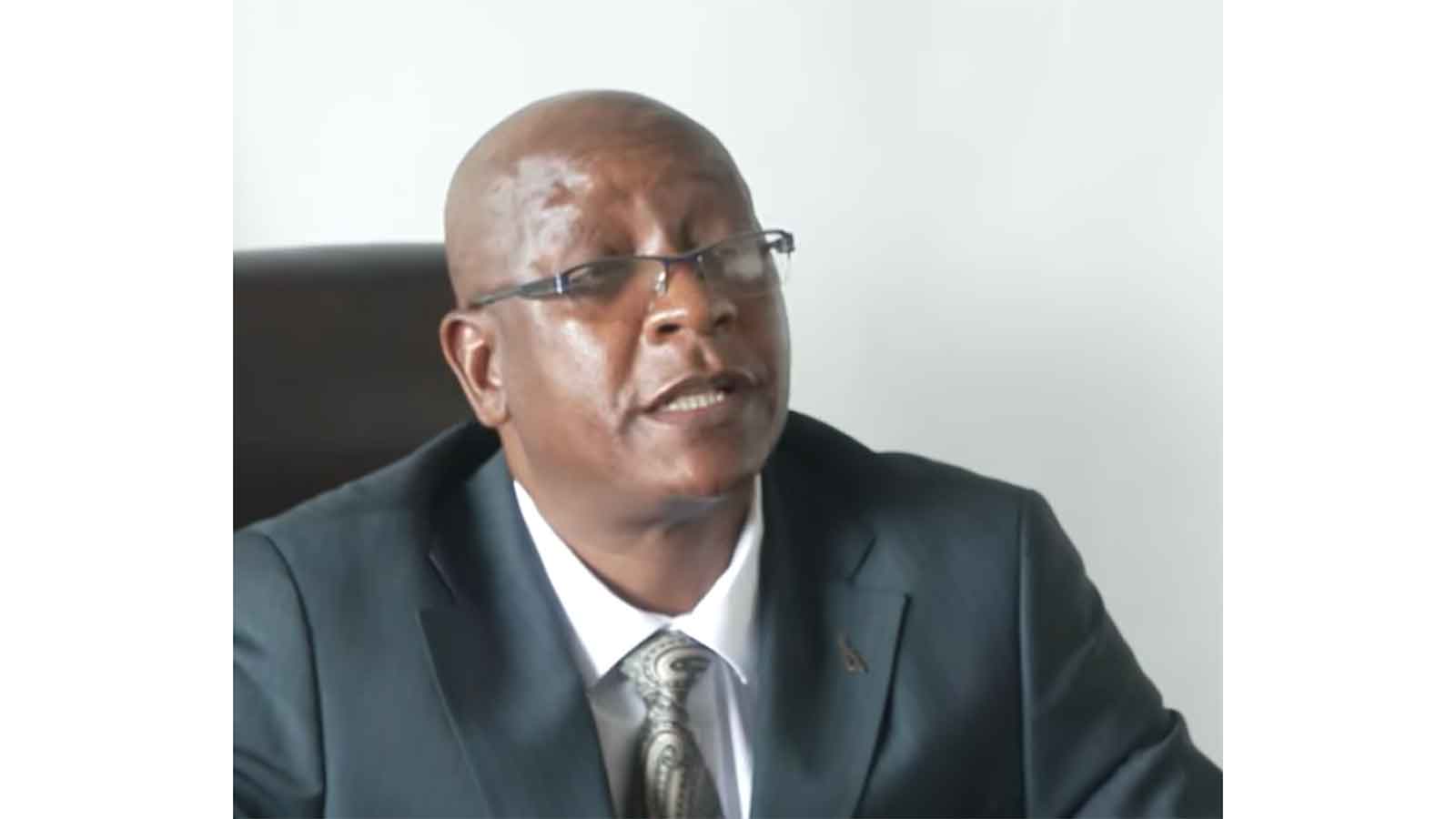
Health and Child Care Deputy Minister Sleiman Kwidini, who leads the health-sector technical team, said existing Zimbabwe-Russia healthcare agreements are already saving lives.
“These agreements being made between countries, especially Zimbabwe and Russia, are a major milestone for Zimbabwe in terms of strengthening our healthcare system,” Deputy Minister Kwidini said.
“I commend the Zimbabwean Government for embracing these engagements with our all-weather friend, Russia, to ensure that our President’s smarter health vision is achieved by 2030 and beyond, so that we do not lose lives.”
Citing the Helidrive Air Ambulance Programme established under the bilateral framework, Deputy Minister Kwidini recalled the logistical hurdles faced during Cyclone Idai and noted how air ambulances now reach remote areas.
“These air ambulances can reach everywhere to make sure that every patient who needs specialised treatment is ferried to where they can receive it,” he said. “The time taken to transfer a patient for treatment, especially in an emergency setup, has been reduced by about 90 percent compared to what was happening before.”
Cooperation is now expanding into oncology, with specialised Russian medical equipment already en route to Zimbabwe. “Russia is one of the countries with advanced cancer-treatment capabilities, which we also need back home,” Deputy Minister Kwidini said.
“There is a machine coming to Zimbabwe, supplied by Russian companies, to intensify the fight against cancer.”
He added that Zimbabwe remains on track to achieve Universal Health Coverage by 2030, driven by the Presidential Hospital Rehabilitation Programme and international knowledge exchange.
“Basically, I can say we are more than on track. It is only the pace that we need to increase to ensure that our health delivery system is strengthened,” he said.
“When we send our people to Russia or any other country, they come back with knowledge on how best to run our primary healthcare and our secondary healthcare systems.”
Public Health Advisor to the President and Cabinet, Dr Agnes Mahomva, who joined the advance team, said the mission directly supports the management of chronic conditions such as diabetes and cancer. She noted that Covid-19 supply bottlenecks underscored the urgency of establishing local pharmaceutical production.
“What really links to this visit is the non-communicable disease aspect and the management of those conditions, particularly diabetes, cancer and others,” Dr Mahomva said.
“Remember, we are saying we cannot just depend on other countries to do things for us. During Covid-19, we struggled to obtain vaccines and PCR testing materials.”
She added that preliminary tours of Russian plants demonstrated automated production systems and rigorous data standards for cancer medicines. She also noted that the Medicines Control Authority of Zimbabwe (MCAZ) recently attained World Health Organisation (WHO) Maturity Level 4 status, strengthening local regulatory oversight.
“It was very clear that they are highly automated and that the systems are in place,” Dr Mahomva said.
“We saw how their manufacturing of cancer medicines is well automated, with the right data being captured and the correct science being applied.”
“Our Medicines Control Authority, for example, recently satisfied all the requirements for WHO Maturity Level 4 status.”
Both officials emphasised that skills transfer through Zimbabwean medical students training in Russia would sustain these gains in the long term.
“We have seen many of our Zimbabwean students coming here to train in Russia,” Deputy Minister Kwidini said.
“What is being done here in Russia is not yet being done in Zimbabwe. Our students will return home and transfer the knowledge and skills they have acquired.”