

 Online Reporter
Robin Muchetu in Osaka, Japan
ZIMBABWE must accelerate its land densification efforts borrowing from Japan’s development model that seeks to conserve land for agriculture and infrastructure which is increasingly becoming scarce, Vice President Kembo Mohadi has said.
Speaking during his visit to Japan where he admired the country’s urban development approach of constructing buildings vertically to save space and resources, Vice President Mohadi called for the country to get notes from the Asian country.
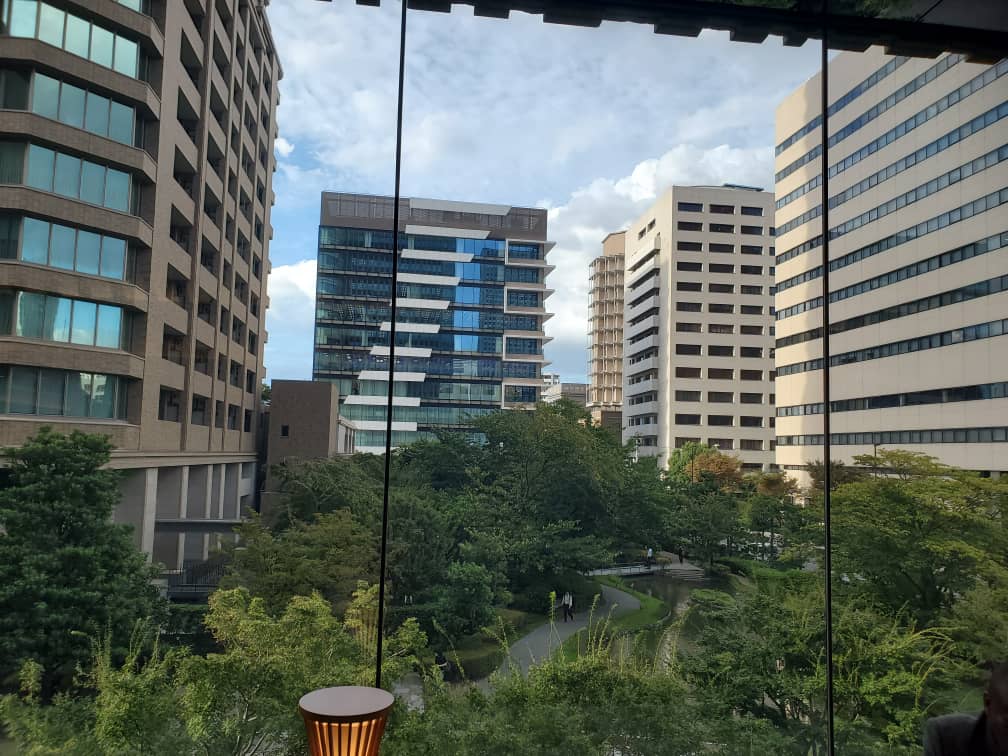
The skylines of Osaka and other Japanese cities are characterised by modern high-rise buildings which have become a necessity given Japan’s largely mountainous and inhabitable terrain.
Vice President Mohadi stated that Zimbabwe should adopt similar strategies, emphasising the importance of densification to optimise land use saying as the population grows the need for such development strategies should be considered seriously and intensified.
“We have a programme of densification back home and we need to shift from horizontal expansion to vertical development,” VP Mohadi said.
“Constructing sewer lines over long distances, like 25 km, is expensive. When we densify and cluster our population, it saves resources and costs for the country.”
He further highlighted that other essential services—such as sewerage, electricity and water are more efficiently developed in densely populated areas.
“This approach applies across all infrastructure. We started discussing densification some time ago, but we need to accelerate our efforts,” he added.
Zimbabwe’s Human Settlement Policy aims to promote the construction of multi-layered buildings to preserve agricultural land, which forms the backbone of the country’s agro-based economy.
VP Mohadi also praised Osaka’s cleanliness, noting it as a reflection of disciplined civic culture. He urged Zimbabweans to cultivate similar habits, especially in managing household litter and emphasised the importance of instilling these values in young generations.
“I was impressed by how clean this city is. It’s a culture that they teach their children from a young age—that they must never litter. We need to learn from their example and develop similar civic responsibility,” he said.




 Bongani Ndlovu