Online Reporter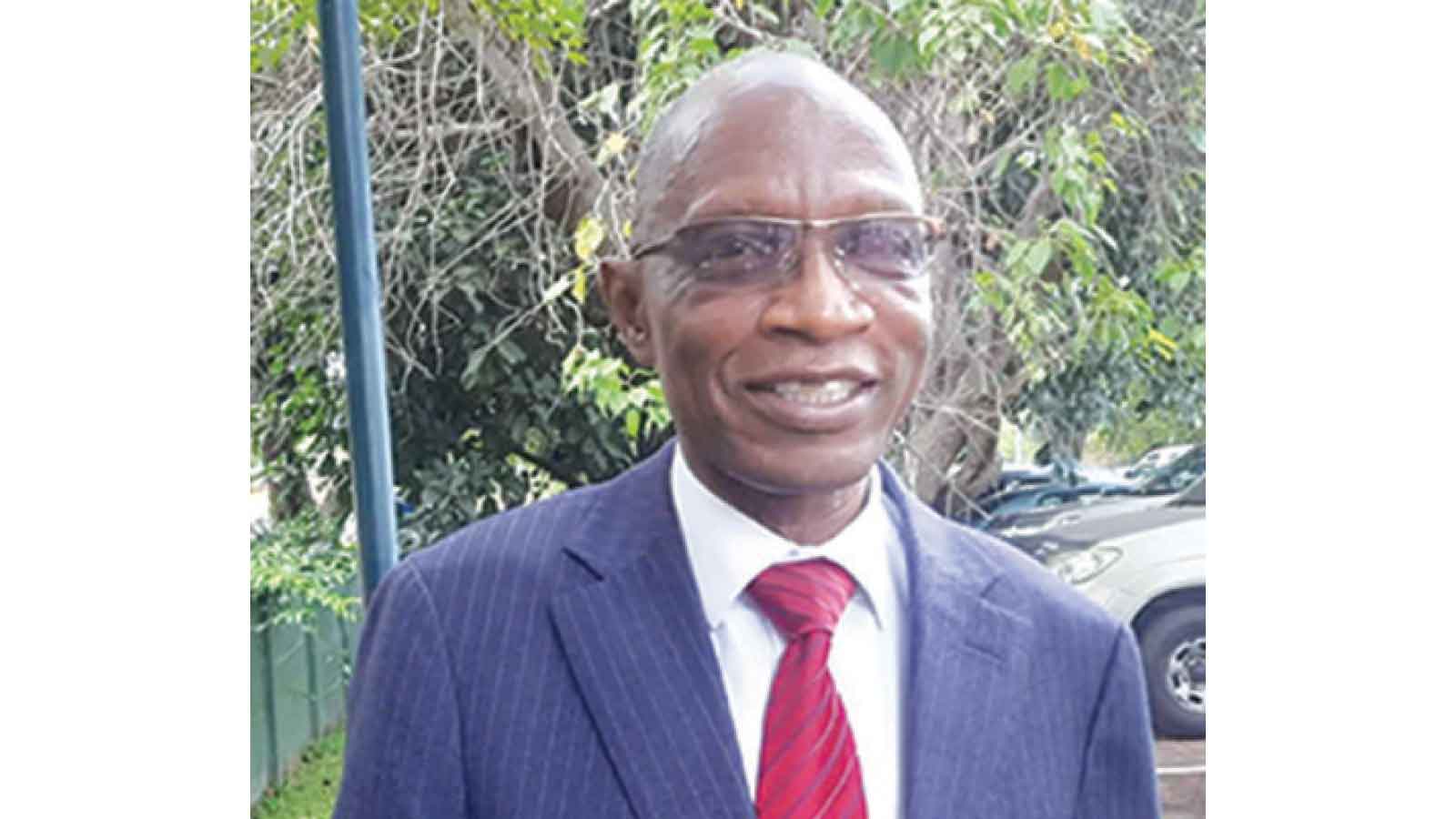
Remember Deketeke-Zimpapers Reporter
Zimbabwe’s passport application system will be fully automated before the end of the year, allowing citizens to complete the entire application process online and only visit registry offices to have their biometrics captured or to collect their processed travel documents.
The development marks a major shift from the paper-based system that once required applicants to queue for hours—and in some cases, camp overnight—at Civil Registry offices.
In an interview in Harare last week, Civil Registry Department Registrar-General Mr Henry Machiri said the new platform will enable applicants to fill in forms, upload supporting documents, and pay online.
“One thing which I can promise citizens is that before the end of the year, we are going to introduce an online passport application, whereby you will only be coming to the passport office for biometrics—that is all,” he said.
“It means that you start applying from the comfort of your home or office, and you only come for biometrics and collection.”
Under the envisaged system, applicants will create an online profile, complete digital forms, upload documents such as birth certificates and national identity cards, and make payments electronically.
The system will then schedule them for a biometric appointment—where fingerprints, photographs, and signatures are captured—after which they will only return to collect the passport.
The digital platform will integrate document verification, payment confirmation, and workflow tracking, enabling authorities to monitor each stage in real-time while maintaining compliance with international travel document standards.
This marks a significant shift from the previous largely manual system, where applicants were required to physically submit paperwork, queue for verification, and move through multiple service points at registry offices.
The old process, Mr Machiri said, was weighed down by paperwork, fragmented verification procedures, and prolonged processing stages that often forced applicants to spend long hours—sometimes days—at passport offices.
“When we introduced the e-passport, we made sure that we eradicated all those things like more paperwork, which made people sleep here at the Civil Registry office, which made us fail to attend to the clients,” he said.
“The issue was digitising all the processes, including the verification of documents, the taking of photographs, and everything else. The number of stages is still there because we must meet international standards, but they can now be done in a shorter period of time.”
He noted that under the old system, many applicants had to take time off work just to submit documents.
“When one applied for a passport before, one would take a day off from work just to come for the first part. But we are saying a service of getting a passport must be like getting into a supermarket to find your bread. You come, you are served, and you go home,” Mr Machiri said.
When the Government rolled out e-passports on January 18, 2022, the department was battling a backlog of more than 171 000 applications, with long queues and overnight camping at registry offices common.
Through digitisation and process re-engineering, the backlog was cleared.
“Up to now, we have issued something like 1,7 million passports countrywide since the day of commencement, which was January 18, 2022,” said Mr Machiri. He attributed the gains to automation, staff retraining, and decentralisation of services.
“We are continuously training our people. We are having refresher courses both in working and also in public relations. This is what we are currently doing, not only in Harare but in all our provinces and districts,” he said.
The e-passport system has since been rolled out to all provincial centres and several rural districts, including Murewa, Hwange, Beitbridge, Chiredzi, Chipinge, and Umzingwane, bringing services closer to communities.
Mr Machiri said further expansion depends on adequate infrastructure to house specialised equipment.
“We can only put this system where we have proper accommodation to house the equipment. Besides having the system, we also have a programme of making sure that we build proper district and provincial offices,” he said.
Last September, the Government commissioned a new registry building in Mutare, while Bindura is expected to receive a new facility this year, followed by upgrades at Masvingo provincial offices. The decentralisation programme is also set to extend to selected embassies to improve access for the Zimbabwean diaspora community.