admin
admin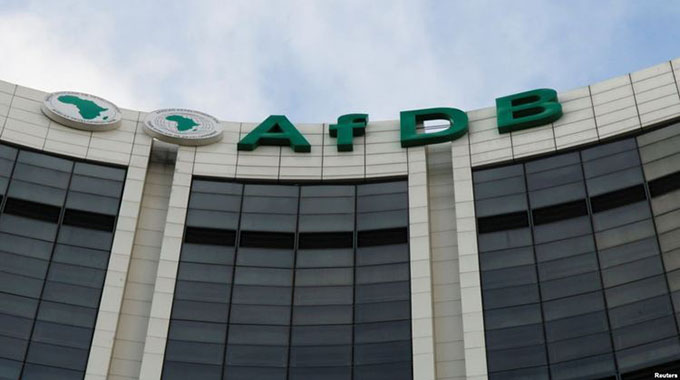
Ishemunyoro Chingwere Business Reporter
Zimbabwe is set to achieve US$34 billion worth of infrastructure development in the next decade, the African Development Bank (AfDB) has said.
The country is set to close its gap, thanks to Government’s policies, and the 2019 Zimbabwe Infrastructure Flagship Report, which was prepared by the bank on behalf of the Government and launched in Harare yesterday outlines Zimbabwe’s leap in the next decade.
Speaking at the launch, AfDB’s principal country economist, Mr Walter Odero, said Zimbabwe had over the years been back-pegged by a myriad of challenges, among them lack of working capital, high cost of finance and inadequate infrastructure.
However, he noted, Zimbabwe has potential to recover given the direction the economy is taking under the Transitional Stabilisation Programme (TSP).
“It is recognised that Zimbabwe has all the potential to recover from its past, given the new political and institutional dispensation,” said Mr Odero.
“We are therefore pleased to note that through the Transitional Stabilisation Programme, the Government has expressed strong commitment to undertake economic and structural reforms, notably to rebuild confidence through the restoration of private property rights; ensure macro-economic stability and growth; fiscal consolidation and external debt arrears clearance; improve governance and the business environment and create jobs.
“The report we are launching today confirms that the country needs US$34 billion over the next decade to restore its road, rail, aviation, energy, ICT and water and sanitation infrastructure to proper working condition,” he said.
Part of the US$34 billion, water and sanitation will require US$3,67 billion, power US$1,14 billion, transport US$28,56 billion, communications US$412 million.
The money is expected to be raised through a mix of funding arrangements with the private sector providing US$7,9 billion, Government and local authorities US$20,7 billion, donors US$3,7 billion and State enterprises involved in service provision in the sectors US$1,5 billion.
Mr Odero also reaffirmed the multilateral development finance institution’s commitment to Zimbabwe as it navigates the recovery path.
Government, under the leadership of President Mnangagwa, is running with Vision 2030 by which Zimbabwe should be an upper middle income earning economy and infrastructure is key towards the attainment of this vision.
Speaking at the same event, fiscal policy director in the Ministry of Finance and Economic Development Mr Pfungwa Kunaka conceded there is a huge infrastructure gap in the country which will need strategic investment decisions to be covered.
“The inadequacy of infrastructure services in the country is self-evident and remains a major cost to citizens and business alike,” said Mr Kunaka.
“Many of our people and businesses currently face frequent power outages, lack of access to safe drinking water and sanitation services, congested and unreliable transport systems as well as high cost of communication services.
“Our success in addressing these challenges lies in us being smarter in the infrastructure investment decisions we make including embracing innovative ideas, activities and practices that provide better outcomes for our people and economy,” he said.



 Online Reporter