daniel chigunwe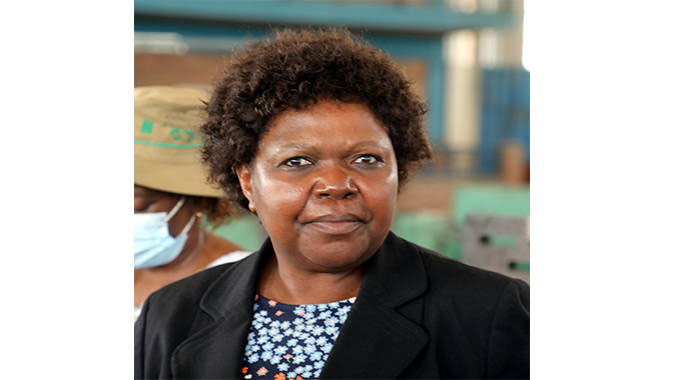
Herald Reporter
Zimbabwe is set to launch the National Gender-Based Violence Strategy next month as it continues to explore ways of eliminating the vice in the country, Permanent Secretary for Women Affairs, Community, Small and Medium Enterprises Development Ministry Dr Mavis Sibanda has said.
She was speaking yesterday at an event dubbed “Beyond Spotlight: Achievements, gains and areas of gender equity, women’s rights and empowerment”.
The event is part of collaborative efforts between the European Union, Government of Zimbabwe and the United Nations.
In her address, Dr Sibanda said: “Some of our strategic priorities, among others include the following, implementation of the plan of action of the high level political compact and a National GBV Strategy, which we intend to launch this coming month in December.”
Dr Sibanda said the Government was determined to tackle GBV head-on, as well as promoting the human rights of girls and women.
EU Ambassador to Zimbabwe, Jobst Von Kirchman, praised Zimbabwe’s efforts in fighting GBV.
He said it was important to achieve gender equality and women empowerment, and create a violence-free and gender responsive society.
UN Resident and Humanitarian Coordinator, Mr Edward Kallon said it was important to “focus more on closing gender inequality gaps” to create a peaceful and prosperous Zimbabwe in line with the national Vision 2030 of becoming an upper-middle income country.
Veterans of the Liberation Struggle Minister Ambassador Christopher Mutsvangwa said there was need to do more to expose and shame or punish those perpetrating GBV.
GBV is an umbrella term that encompasses any harmful act that is done on a person against their will, including physical, sexual, emotional or psychological harm.
At an event attended by various religious groups, speakers condemned GBV, adding that more should be done to fight the vice.
Mrs Hajar Makwinha, the director of Fatima Zahra Women’s Organisation said victims should open up so that they are assisted.
Mrs Orippa Hwami, a Counsellor with Msasa Project, said some women suffer GBV because they are dependent on men, hence the need to empower them.
“We run empowerment programmes so that they can be self-sufficient. That way we reduce gender-based violence.”
Cultural Counsellor with the Iranian Embassy Mr Hamid Bakhtiyar said the Government needs to come up with strict laws to protect women’s rights.


 leeroy