Online Reporter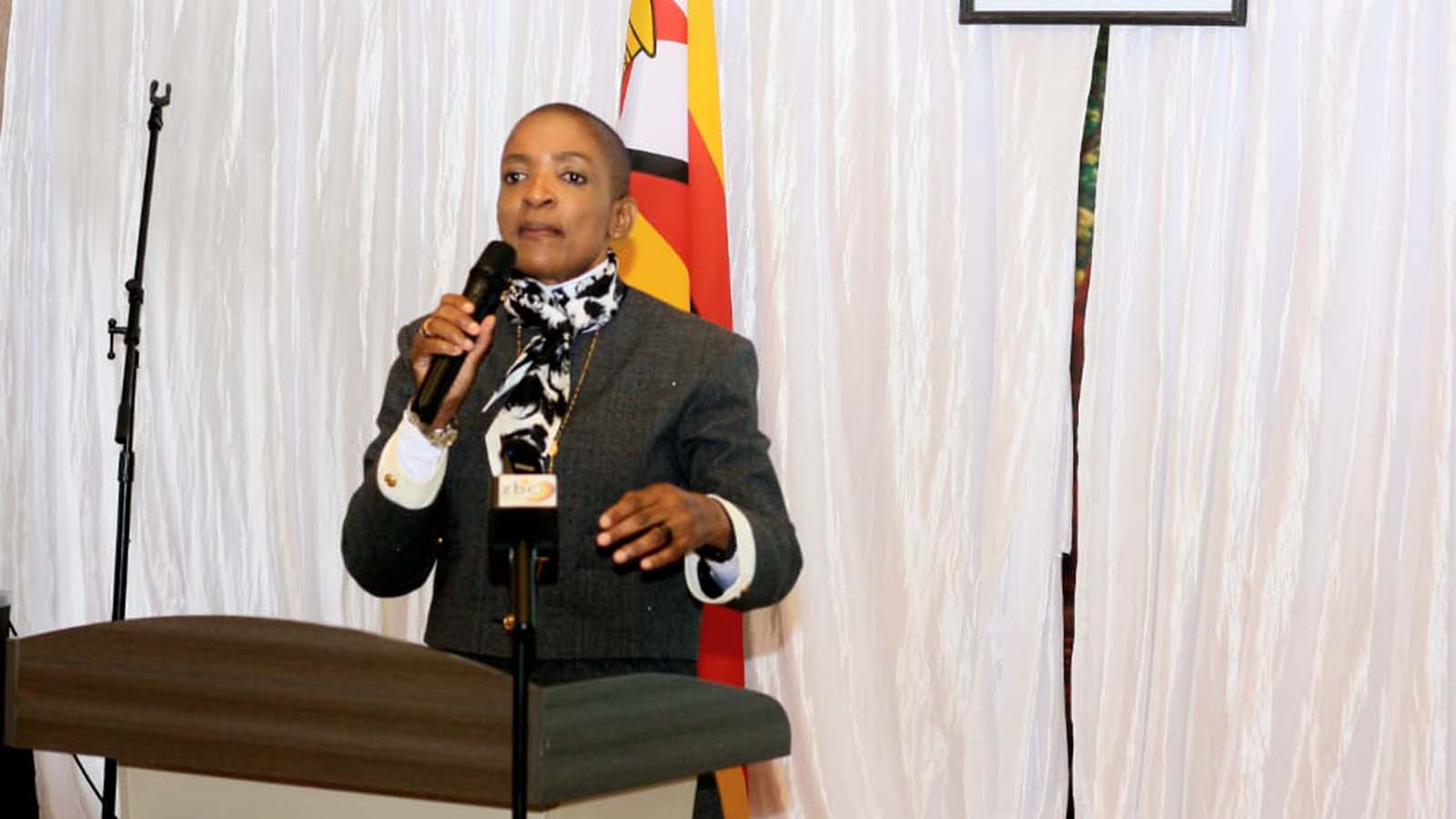
Alicia Kadzviti
Herald Reporter
ZIMBABWE will anchor its next five-year tourism strategy on the country’s rich natural attractions, cultural heritage and renowned hospitality as Government seeks to position the sector as a key driver of economic growth and make the country Africa’s destination of choice.
Speaking at the National Tourism Sector Strategy Stakeholder Consultation Workshop on Monday, Tourism and Hospitality Industry Minister Barbara Rwodzi said the proposed National Tourism Sector Strategy (2026-2030) would adopt a heritage-based approach, leveraging Zimbabwe’s natural wonders, culture and communities to grow tourism, create jobs, attract investment and earn foreign currency in line with Vision 2030.
“We are a heritage-based destination. God gave us our minerals, good climate, beautiful natural and cultural heritage and landscapes. That is what we sell to the people out there,” she said.
“Our guiding principle is heritage first. We must speak more about who we are as Zimbabweans and what we offer with confidence because that is our competitive advantage.”
She said changing global economic conditions, climate change and volatility in commodity markets had made tourism an increasingly important pillar of economic development.
“Agriculture is affected by climate change while the prices of minerals are determined by international markets,” she said.
“That is why many countries are now looking at tourism. Tourism is heritage-based, and Zimbabwe has everything it takes to compete.”
Minister Rwodzi said the new strategy would diversify tourism products beyond wildlife by promoting sports tourism, medical tourism, gastronomy, cultural and heritage tourism and community-based rural tourism.
“We now have cluster-based tourism. We have sports tourism, medical tourism, rural tourism, gastronomy, culture and heritage. Zimbabwe is not just a place to visit; it is a cultural destination.”
She said tourism was expected to contribute significantly to the country’s economic transformation through employment creation, foreign currency generation, investment promotion and rural industrialisation.
“As tourism within NDS2, we are expected to generate employment, foreign currency earnings and drive investment. Tourism creates jobs, earns income from both domestic and international visitors and stimulates rural industrialisation and community development,” she said
The minister also said Government would continue using tourism as a tool of soft diplomacy to improve Zimbabwe’s international image.
“The President’s objective when he created a standalone Ministry of Tourism and Hospitality Industry was to use tourism to bust sanctions through soft diplomacy,” she said.
“Our hospitality, accommodation, food and natural wonders change perceptions about Zimbabwe.”
She acknowledged that improving service standards remained a priority and announced plans to establish a standalone School of Excellence in Tourism to strengthen human capital.
“Our services must improve. Human capital development cannot stop, and we are bringing back a standalone School of Excellence in Tourism because we want Zimbabwe to produce world-class tourism professionals.”
In an interview, Minister Rwodzi said successful implementation of the strategy would depend on collaboration across Government ministries.
“Tourism is a multi-sectoral industry. We work with Transport on accessibility, Foreign Affairs and Information on Brand Zimbabwe, Home Affairs on immigration and visas, Higher and Tertiary Education on innovation, and Women Affairs on community-based tourism and gastronomy. It is a whole-of-government approach,” she said.
In his remarks, Tourism and Hospitality Industry Deputy Minister Tongai Mnangagwa said the stakeholder consultation marked a critical step in developing a National Tourism Sector Strategy that would guide the sector from 2026 to 2030.
He said the strategy would be built around eight pillars, including cluster-based tourism development, destination accessibility, investment, branding and digital transformation, human capital development, policy reforms and sustainable community-based tourism.
He said tourism was a multi-sectoral industry whose success depended on coordinated action by Government, the private sector, local authorities, communities, academia and development partners.
“The goal of the National Tourism Sector Strategy is to provide a comprehensive framework for sustainable growth, competitiveness and resilience of Zimbabwe’s tourism sector,” he said.
“The strategy aligns sector priorities with national development aspirations while responding to emerging global tourism trends, technological advancements, changing visitor expectations and sustainability imperatives.”
Permanent Secretary Dr Takaruza Munyanyiwa said the workshop marked the beginning of nationwide consultations, with four more provincial meetings planned to ensure the strategy reflects the views of stakeholders across the country.
He urged participants to critically assess the sector’s strengths, weaknesses, opportunities and threats to produce an evidence-based strategy capable of making tourism a major contributor to Zimbabwe’s socio-economic transformation by 2030.