Nqobile Bhebhe, [email protected]
ZIMBABWE’S quest to build a US$2,37 billion aquaculture industry by 2030 is set for a boost with the expected launch of new environmental and biosecurity guidelines aimed at promoting sustainable fish farming and strengthening the sector’s contribution to food security, investment and rural livelihoods.
The Environmental and Biosecurity Guidelines for Small-Scale Fish Farmers in Zimbabwe will be launched today providing a framework to help small-scale producers adopt responsible fish farming practices while managing environmental risks and protecting aquatic resources.
The initiative comes as the country’s aquaculture sector gathers momentum, having produced nearly 25 million fingerlings during the 2025/2026 season, reflecting growing efforts to expand fish production and establish aquaculture as a key pillar of agricultural development.
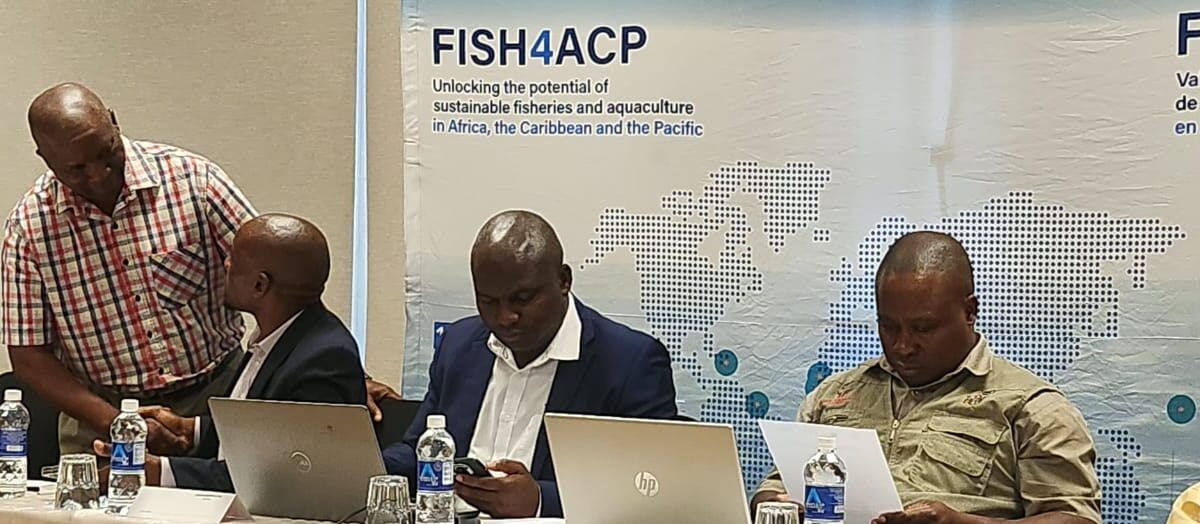
The guidelines were developed by the Food and Agriculture Organisation (FAO), in partnership with the Ministry of Agriculture, Mechanisation and Water Resources, the Ministry of Environment, Climate and Wildlife, and the Zimbabwe Environmental Law Organisation (ZELO), under the Fish4ACP project.
The framework is expected to support small-scale fish farmers with guidance on environmental management and biosecurity, critical elements in building a productive and sustainable aquaculture industry.

As fish farming expands, sound environmental practices and effective biosecurity measures are important in reducing the risk of disease outbreaks, protecting water quality and ensuring the long-term viability of production systems.
The guidelines also come at a time when Government is intensifying efforts to increase fish production through farmer training, fishpond stocking programmes and strategic investments designed to strengthen food security, improve nutrition and create income-generating opportunities in rural communities.
The Fish4ACP project is a global aquatic value-chain development initiative of the Organisation of African, Caribbean and Pacific States (OACPS), which seeks to make fisheries and aquaculture value chains more productive and sustainable while contributing to food security, economic growth and employment creation.
The programme is implemented by FAO with funding from the European Union and the German Federal Ministry for Economic Cooperation and Development (BMZ).
It supports 12 aquatic value chains across 12 countries in Africa, the Caribbean and the Pacific.
The development of the guidelines comes as the country seeks to unlock aquaculture’s potential to diversify agricultural production, increase the domestic supply of fish and broaden economic opportunities for small-scale farmers.
The production of nearly 25 million fingerlings during the 2025/2026 season provides a foundation for expanding fish farming, although sustained growth will depend on farmers’ access to quality inputs, appropriate technology, reliable water supplies, markets and technical support.
The sector’s growth also presents opportunities to strengthen local value chains, from fingerling production and feed supply to fish processing, distribution and retail, potentially creating jobs beyond the farm gate.
The launch of the guidelines is expected to reinforce efforts to balance production growth with environmental protection, as Zimbabwe positions aquaculture as a contributor to agricultural transformation and its broader economic development ambitions by 2030.