Online Reporter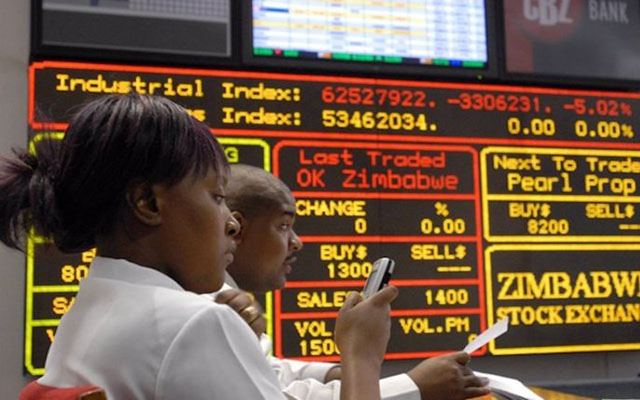
MacDenias Moyo
Zimbabwe’s capital market has erupted onto the continental and global stage in 2026 with a rally that has stunned analysts and investors alike.
The Zimbabwe Stock Exchange has delivered a 68,5 percent year‑to‑date return in United States dollar terms as of July 31, surpassing the mighty S&P 500 and eclipsing every major African exchange tracked.
This is not a fleeting spectacle of digits but a profound declaration of national renewal, proof to the resilience of our people, the discipline of our leadership and the deliberate architecture of reform under Vision 2030 and the National Development Strategy 2.
The comparative figures themselves narrate the story of Zimbabwe’s triumph.
The Zimbabwe Stock Exchange surged by 68,5 percent, Nigeria’s NGX followed at 66,9 percent, Ghana’s GSE at 57,6 percent, Tunisia at 46,3 percent, and Tanzania at 40,5 percent. Zimbabwe stands at the summit, leading Africa.
This is the voice of a frontier market that global investors now watch with awe, a market that has become the symbol of resilience and reform.
This rally is not an accident of speculation.
It is the culmination of years of painstaking work to restore macroeconomic stability, discipline fiscal management, modernise capital markets and create an environment where investors, both domestic and foreign, can place their confidence in Zimbabwe’s future.
It is the fruit of reforms that have opened the economy, diversified instruments and strengthened institutions.
It is the manifestation of a people determined to rise.
President Mnangagwa has been clear in his philosophy.
He has declared that Zimbabwe’s destiny must be anchored in collective wisdom, not individual whims.
He has insisted that governance must be defended not by personalities but by institutions, by systems, by the collective will of the people.
His words resonate with humility and foresight.
He acknowledges that the success of the nation is not the wisdom of leadership alone but the resilience and focus of the people.
Every village, every district, every province is engaged in programmes of development.
Citizens set their own targets and pursue them with determination.
This collective spirit animates the economy, fuels productivity and sustains growth.
Finance Minister Professor Mthuli Ncube has been equally forthright.
He has declared that debt financing alone cannot meet the nation’s needs, that vibrant equity markets, innovative instruments and broad citizen participation are essential for Vision 2030.
He has emphasised that the modernisation of the capital market, the strengthening of regulation and the diversification of products are designed to mobilise long‑term investment for infrastructure, industrialisation and transformation.
His stewardship has been marked by fiscal discipline, inflation control and exchange rate stabilisation.
These fundamentals are the bedrock upon which investor confidence has been rebuilt.
The National Development Strategy 2 is the instrument through which this transformation is being pursued.
It emphasises macroeconomic stability, inclusive growth, infrastructure development and social protection.
It prioritises value addition in mining and agriculture.
It invests in education and health. It builds roads, power stations and irrigation systems.
It seeks to insulate the nation from climate change by expanding irrigation to nearly half a million hectares by 2030.
It seeks to ensure that mineral wealth benefits the nation through beneficiation. It seeks to reintegrate returning citizens and harness their skills.
International bodies have acknowledged Zimbabwe’s progress. The African Development Bank has pointed to Zimbabwe’s fiscal discipline and structural reforms as critical steps toward sustainable growth.
Global investment analysts have noted that the rally on the ZSE reflects renewed foreign participation, easing inflation and growing interest in Zimbabwe’s frontier market opportunities.
The IMF has recognised the stabilisation of inflation and the narrowing of the parallel market premium as signs of macroeconomic recovery.
These acknowledgements are not mere words.
They are signals to the world that Zimbabwe is re‑emerging as a credible investment destination.
The implications for Vision 2030 are profound.
A strong capital market mobilises resources for infrastructure, industry and innovation.
It channels savings into productive investment. It creates wealth for citizens.
It attracts foreign capital. It strengthens institutions. It signals to the world that Zimbabwe is serious about transformation.
It assures investors that programmes begun will be carried through to completion.
It assures citizens that their sacrifices are yielding fruit.
The rally of the ZSE is therefore not a mere financial statistic. It is a symbol of national renewal.
It is a declaration that Zimbabwe is back on the path of growth.
It is proof that Vision 2030 is achievable. It is evidence that NDS2 is working.
It is the voice of a nation that has chosen to lead itself.
The nation must embrace this moment. It must reject the false narratives of those who thrive on perpetual crisis.
It must embrace stability. It must embrace continuity.
It must embrace collective wisdom.
It must embrace the septennial mandate as the rhythm of democratic governance.
Zimbabwe leads Africa’s stock market rally because Zimbabwe has chosen discipline. It has chosen resilience.
It has chosen sovereignty. It has chosen Vision 2030.
The flame of progress burns brighter. The Constitution is strengthened.
The economy is fortified. The future is secured.
This rally is not about numbers. It is about destiny.
It is about a nation that has chosen to rise.
It is about Vision 2030 becoming reality. It is about collective wisdom guiding collective prosperity.
It is about the resilience of a people who refuse to be defeated.
It is about the discipline of a leadership that has chosen stability.
It is about the sovereignty of a nation that has chosen to harness its resources for its own development.
Zimbabwe marches forward not in haste but in strength.
The flame of democracy burns brighter under the septennial cycle.
The Constitution is strengthened. The economy is fortified. The future is secured.
Zimbabwe’s rally is the entrenchment of progress. It is the entrenchment of stability. It is the entrenchment of unity. It is the entrenchment of the people’s will. It is the entrenchment of Vision 2030.