Online Reporter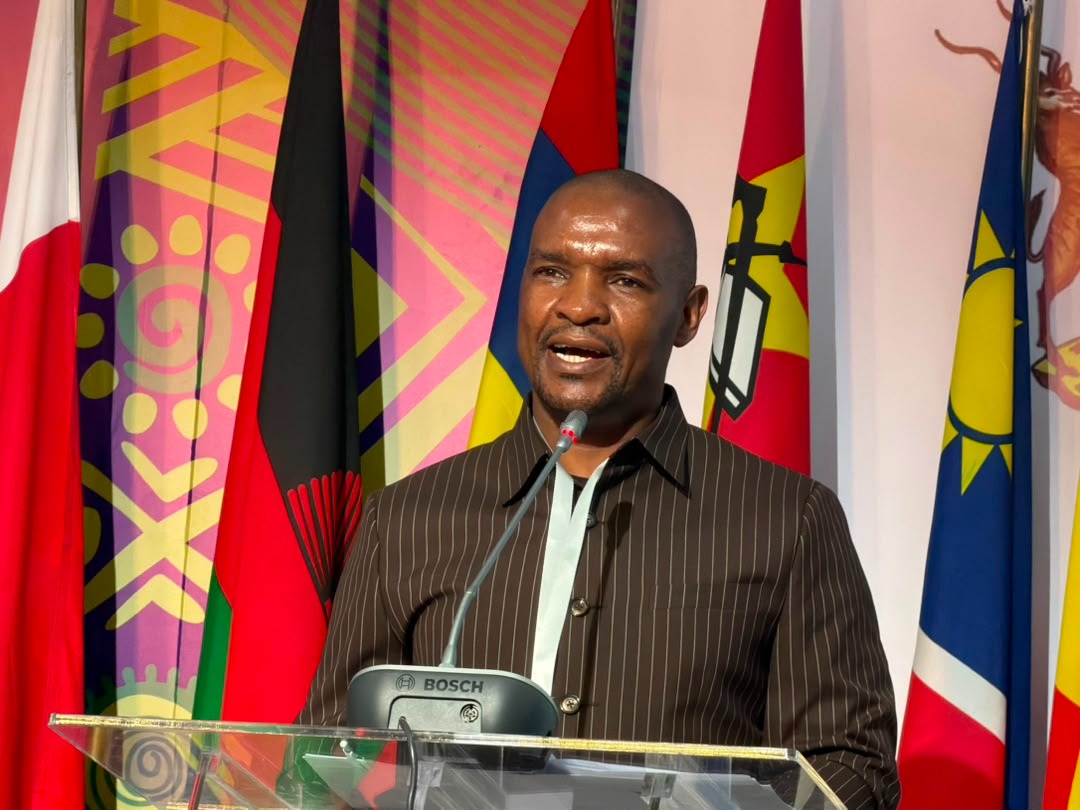
Sikhumbuzo Moyo
[email protected]
SOUTHERN African Development Community (SADC) member states are intensifying efforts to improve regional connectivity through the implementation of the Single African Air Transport Market (SAATM) and the liberalisation of air transport services, Transport and Infrastructural Development Minister Felix Mhona has said.
Speaking on the sidelines of the SADC Cluster Meeting of Ministers in Bulawayo, Minister Mhona said inadequate connectivity remains one of the major obstacles to regional integration, trade and economic development across Africa.
He said the Yamoussoukro Decision, adopted in Côte d’Ivoire in 1999 and implemented in 2002, was designed to create an open skies policy across the continent, allowing airlines to operate more freely between African countries.
“We are trying to come up with solutions to address the connectivity challenges that we are facing, especially within the region and across the continent. Regional connectivity is central to the discussions that we are having as ministers,” said Minister Mhona.
He noted that although 38 African countries have acceded to the treaty, implementation remains slow in some jurisdictions, limiting the full benefits of a liberalised air transport market.
“The idea is to open our skies and create a single African aviation market where airlines can operate based on agreed freedoms of the air. This will enable airlines to pick up and drop off passengers across different jurisdictions, making travel easier and more affordable,” he said.
Minister Mhona said poor connectivity often forces travellers to take longer and more expensive routes to reach destinations within Africa.
“In some instances, one has to leave Africa or transit through distant regions before returning to another African country. This affects trade, tourism and economic growth. We are therefore looking at how best to address these concerns as a region,” he said.
He said technical experts had already considered a number of proposals and recommendations that are now before ministers for deliberation and possible adoption.
Minister Mhona said Zimbabwe remains committed to promoting policies that facilitate business, trade and investment while enhancing regional integration, highlighting the country’s significant investments in aviation infrastructure, including the upgrading of Robert Gabriel Mugabe International Airport, Victoria Falls International Airport and Joshua Mqabuko Nkomo International Airport in Bulawayo.
“We have developed our airport infrastructure and our Civil Aviation Authority has confirmed that Zimbabwe remains in a sound position regarding aviation safety standards,” he said.
Beyond aviation, Minister Mhona said Government is investing heavily in transport corridors that are critical to regional trade and movement.
These include the rehabilitation of rail infrastructure, the upgrading of the North-South Corridor and preparations for works on the Harare-Chirundu Highway.
He also cited ongoing efforts to strengthen links through the Walvis Bay Corridor in Namibia and the Beira Corridor in Mozambique, as well as plans to address missing rail links within the region.
“Recently, we signed a Memorandum of Understanding aimed at ensuring that strategic rail connections are completed to improve regional integration and connectivity,” he said.
Minister Mhona said high transport costs, restrictive routing arrangements and visa requirements remain among the barriers that continue to hinder seamless movement across the continent.
He said addressing such challenges would require collective action by African governments and regional bodies.
“Regional connectivity cannot be overemphasised. It is time for us not only to talk about connectivity but also to identify and remove the bottlenecks that continue to impede integration, trade and development across our region and continent,” said Minister Mhona.
He added that Zimbabwe’s infrastructure development drive is increasingly focused on climate-resilient projects, in line with regional efforts to promote sustainable development and economic transformation.