Online Reporter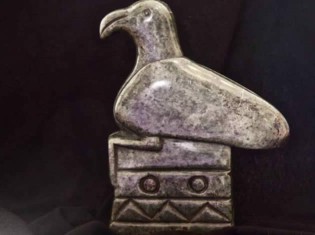
Herald Reporter
THE repatriation of the last Zimbabwe soapstone bird, the Chapungu and ancestral human remains from South Africa, marks the beginning of a broader journey of cultural restoration, healing and reintegration, Deputy Chief Secretary to the President and Cabinet, Reverend Paul Bayethe Damasane, has said.
Speaking during the handover ceremony hosted by South Africa’s Minister of Sport, Arts and Culture, Gayton McKenzie, Reverend Damasane described the occasion as a turning point in correcting historical injustices inflicted during the colonial era.
The ceremony was held yesterday at the Iziko Museums of South Africa in Cape Town, following a directive by President Cyril Ramaphosa to return the artefact ahead of Zimbabwe’s Independence Day commemorations.
Rev Damasane said the removal of the Zimbabwe Birds and human remains from the country occurred during a period characterised by colonial expansion and exploitative extraction practices that sought to dismantle African identity.
“To us, they are not artefacts, but part of our shared identity,” he said, adding that their return reflects a deliberate effort by the leadership of both countries to restore history for future generations.
The Chapungu, carved at Great Zimbabwe — the ancient civilisation after which the country derives its name — is one of Zimbabwe’s most enduring national symbols, embodying the spiritual, political and cultural identity of the nation.
Rev Damasane said the ancestral remains being repatriated were not mere scientific specimens but represented lived histories and sacred identities of Zimbabwean communities.
“These remains belong to individuals from various parts of Zimbabwe, including Chivhu, Goromonzi, Mazowe, Kwekwe and Mberengwa, among others.
“Their removal disrupted not only their physical resting places but also the spiritual continuum that binds communities to their ancestors,” he said.
Rev Damasane called for a balanced telling of history, urging scholars to document both the pain of dispossession and the ongoing efforts to restore dignity.
Quoting Nigerian author Chimamanda Ngozi Adichie, Rev Damasane warned against presenting a single narrative, saying doing so would distort the truth of Africa’s past.
He commended the South African government and institutions involved in the repatriation process for their transparency and commitment, describing the transfer as a significant step towards ethical museum practices and restorative justice.
“This is not an end in itself, but the beginning of an important journey of re-humanisation and reintegration of our cultural heritage.”
Rev Damasane said Zimbabwe would ensure that the returned remains are accorded dignity through culturally appropriate burial processes, guided by further research and consultations with affected communities.
He added that the process would serve as a model for future repatriations, anchored on scientific rigour, cultural integrity and respect for heritage. The event also highlighted the strong diplomatic ties between Zimbabwe and South Africa, forged through a shared history of liberation struggle and solidarity.
Rev Damasane called for deeper cooperation between the two nations in arts, culture and heritage, including research, conservation and education, to preserve African history for future generations.
“Today’s event strengthens our bonds and demonstrates how cultural diplomacy can help heal historical wounds and foster unity across borders,” he said.
Speaking at the same event, South African Minister McKenzie described the repatriation as a historic act of justice, acknowledging that both the Zimbabwe Bird and the human remains were taken without consent during the colonial era.
“What we see here today is history. It is not only the sacred bird going home, but also leaders and ancestors who were taken without the permission of their families. It was clear theft,” he said.
Mr McKenzie said the return of the Chapungu — which had been held outside Zimbabwe for over a century — and the remains underscores a moral obligation to correct past injustices.