Langalakhe Mabena [email protected]
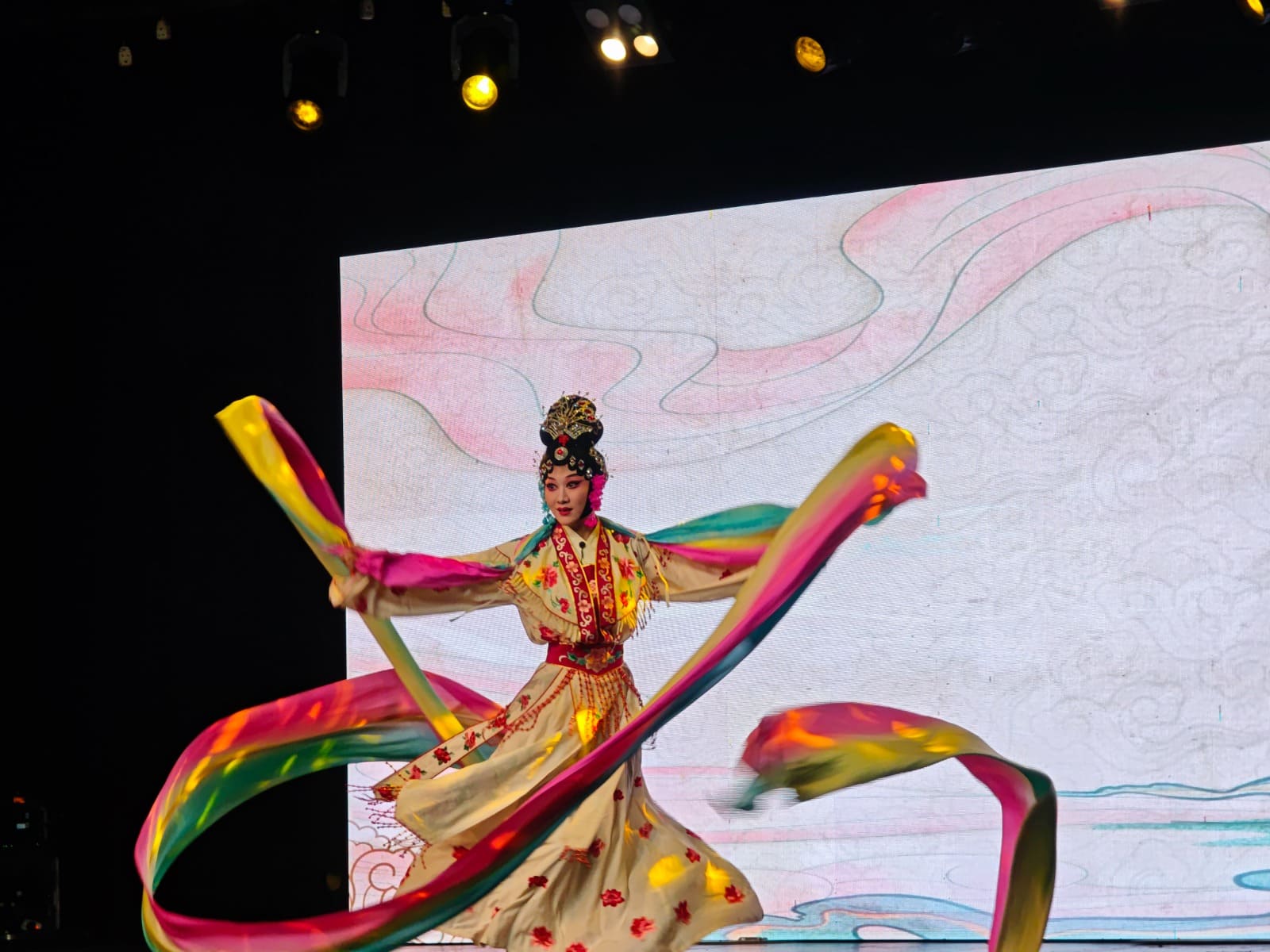
CHINA and Zimbabwe continue to strengthen cultural relations through the arts, with a Wu Opera performance held at 7Arts Theatre in Harare on Monday (October 12), bringing the two countries’ rich cultural traditions into focus.
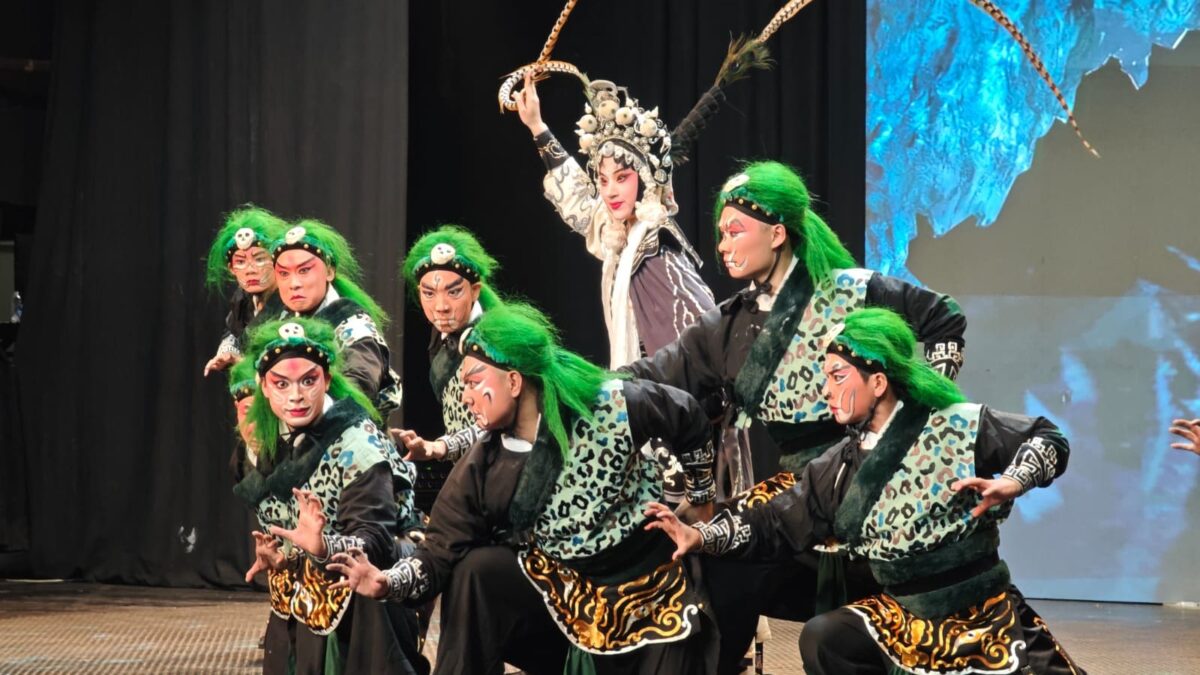
Hosted by the Chinese Embassy in Zimbabwe, the event featured performers from the Zhejiang Wu Opera Research Centre, who presented selections from the traditional Chinese art form, known for its lively singing, expressive acting and martial arts.
Wu Opera has a history spanning more than 500 years and draws inspiration from the daily lives and traditions of communities in eastern China.
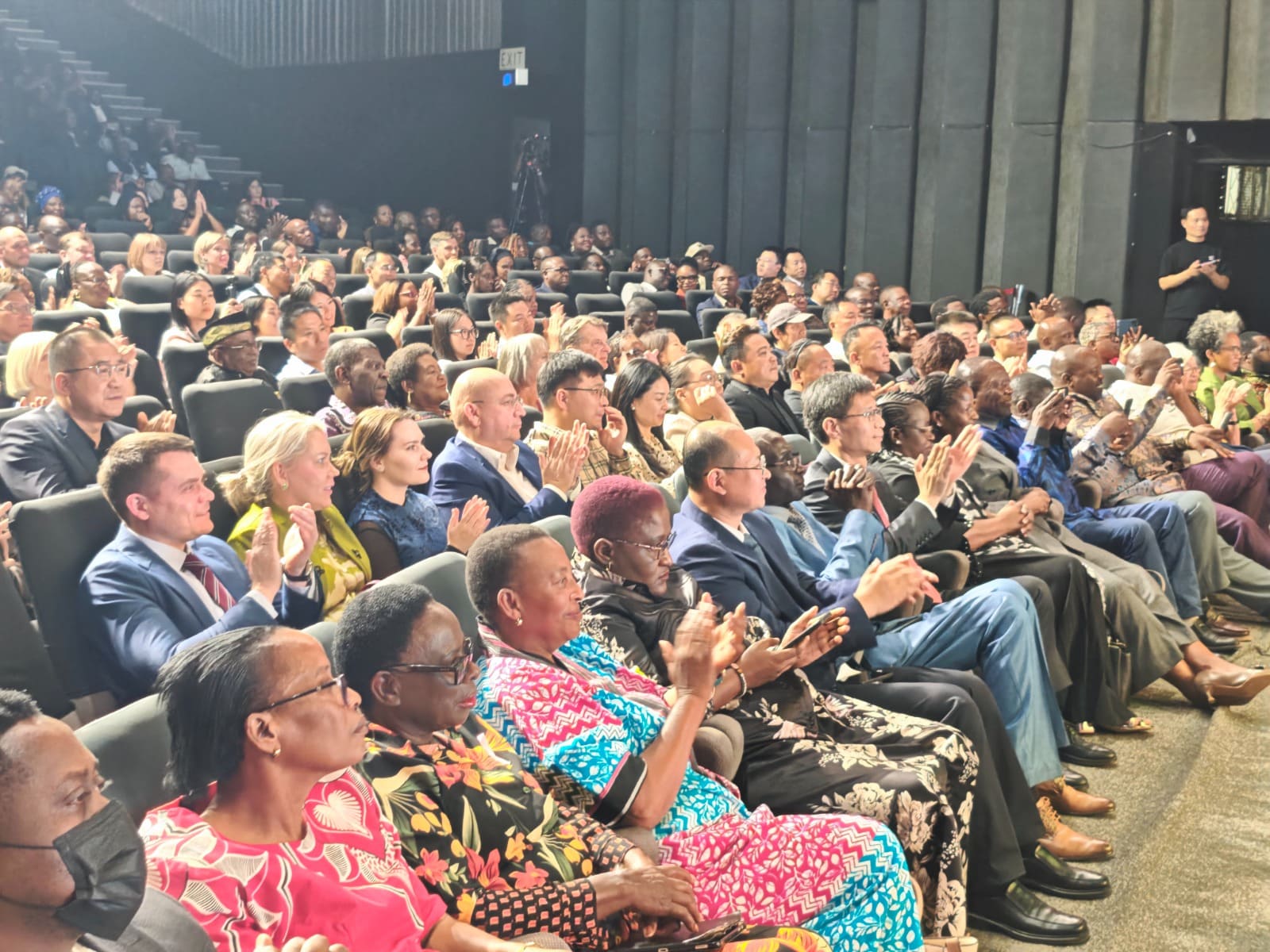
The event was attended by several dignitaries drawn from different sectors including Government representatives, traditional leaders, and other guests.
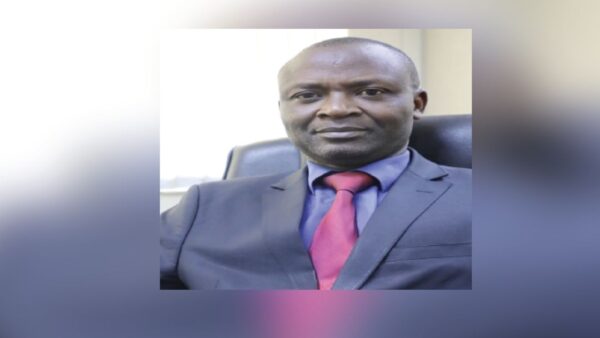
In his address, Mr Tang Xiaoping who is Minister-Counsellor and Deputy Head of Mission at the
Embassy of the People’s Republic of China in Zimbabwe, said cultural exchanges were helping to build stronger relations between Zimbabwe and China.
He noted that 2026 had been designated the China-Africa Year of People-to-People Exchanges, with the embassy organising various cultural activities to promote interaction and understanding between the people of the two countries.
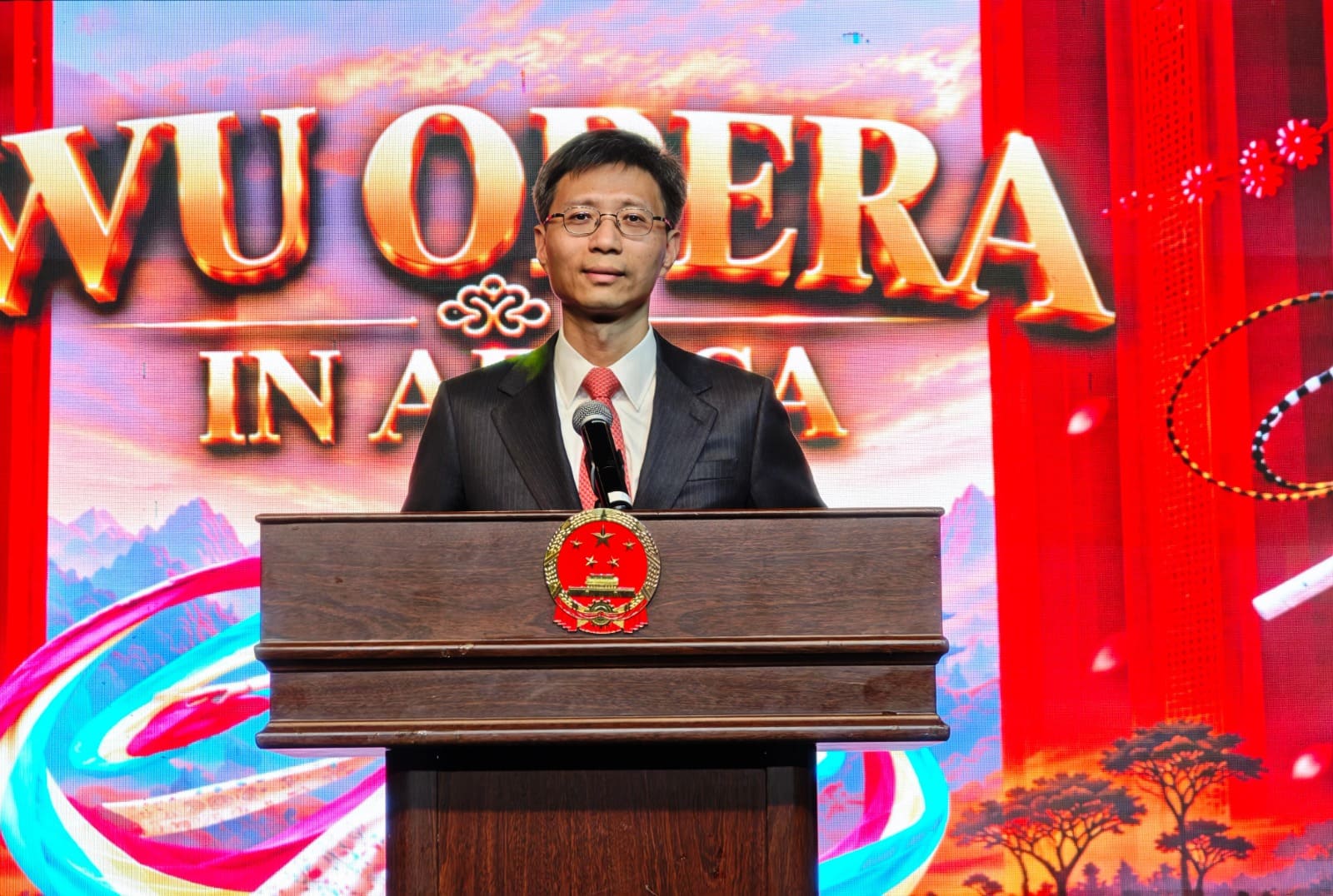
“During these activities, we meet, communicate and learn from each other. As time goes by, geographical distances are bridged, mutual understanding is built, and our friendship has become more solid and vibrant,” he said.
described the Wu Opera performance as one of the highlights of the year’s cultural exchange programme, adding that such initiatives were important in promoting dialogue at a time when divisions and conflicts continued to affect the international community.
He said closer cultural engagement could deepen mutual understanding, build consensus and contribute to global peace and development.
“As I address you today, I reaffirm China’s commitment to working with Zimbabwe and other African countries through cultural performances, youth engagement, educational cooperation and other people-to-people initiatives,” said Xiaoping.
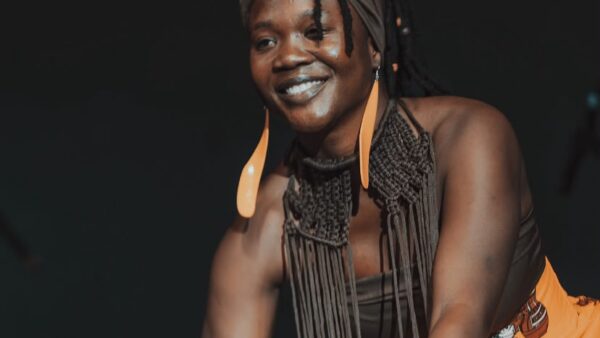
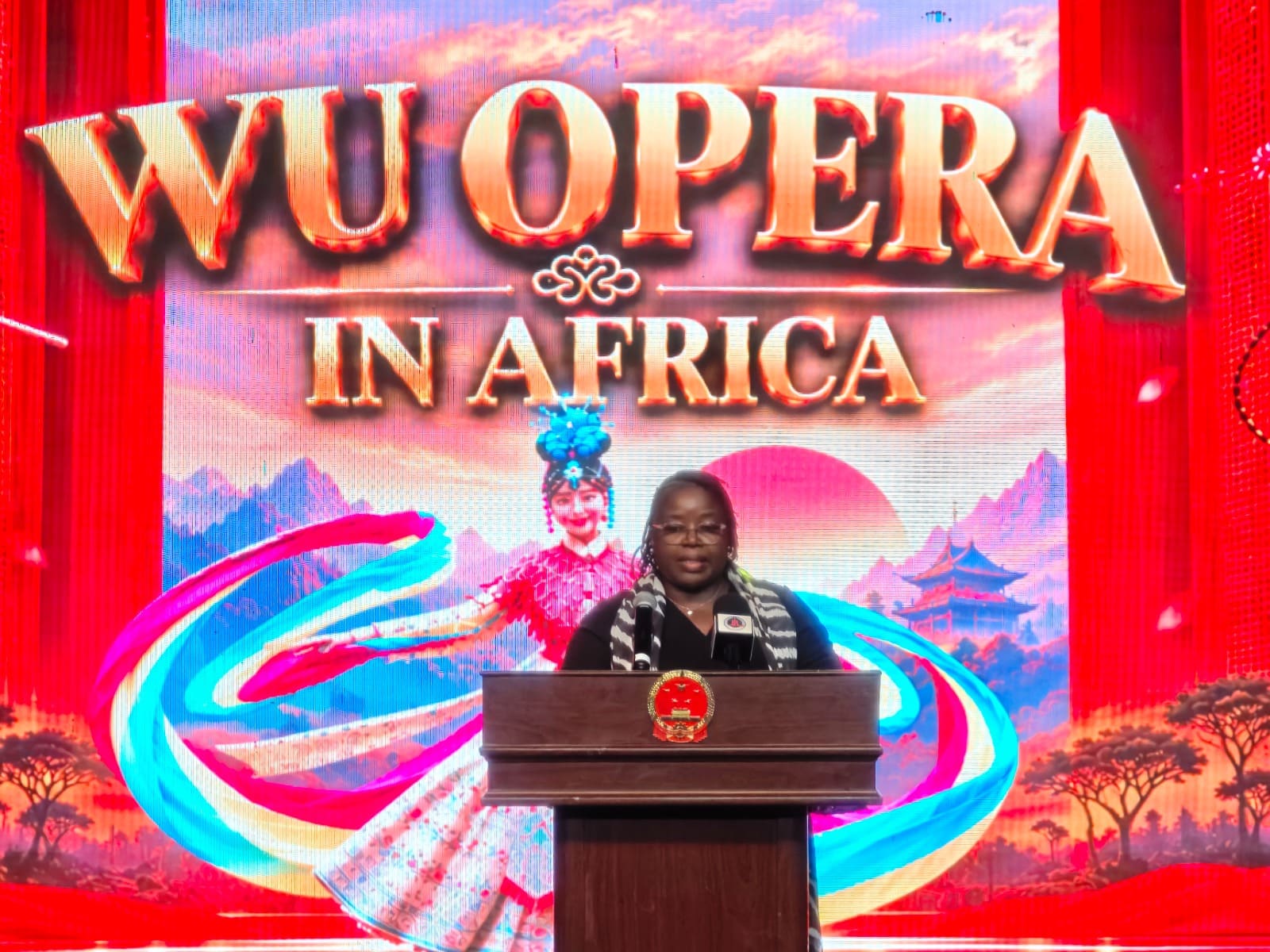
Speaking at the event, Deputy Speaker of the National Assembly, Cde Tsitsi Gezi said culture was central to a people’s identity and provided an opportunity for communities to understand one another beyond their differences.
“Culture reflects our history, identity, values and aspirations. Through Wu Opera, we encounter a rich Chinese art form known for its unique costumes, expressive movements and storytelling, reminding us that though our histories differ, we share a common humanity,” she said.
Cde Gezi said Zimbabwe also had a rich cultural heritage, reflected in traditional music, including the mbira, as well as storytelling traditions passed down through generations.
She said relations between Zimbabwe and China had grown through years of cooperation and mutual respect, adding that cultural activities helped make diplomatic ties more meaningful by allowing people to interact directly.
“Through performances, we can express what words sometimes cannot, allowing deeper connections between our peoples. Cultural exchange enhances our diplomatic ties and allows us to appreciate each other beyond stereotypes,” she said.
She said the Wu Opera showcase provided an opportunity for the two nations to celebrate their cultural differences while recognising the values they shared.
The performance formed part of wider efforts to promote cultural understanding and strengthen people-to-people relations between China and African countries.