Online Reporter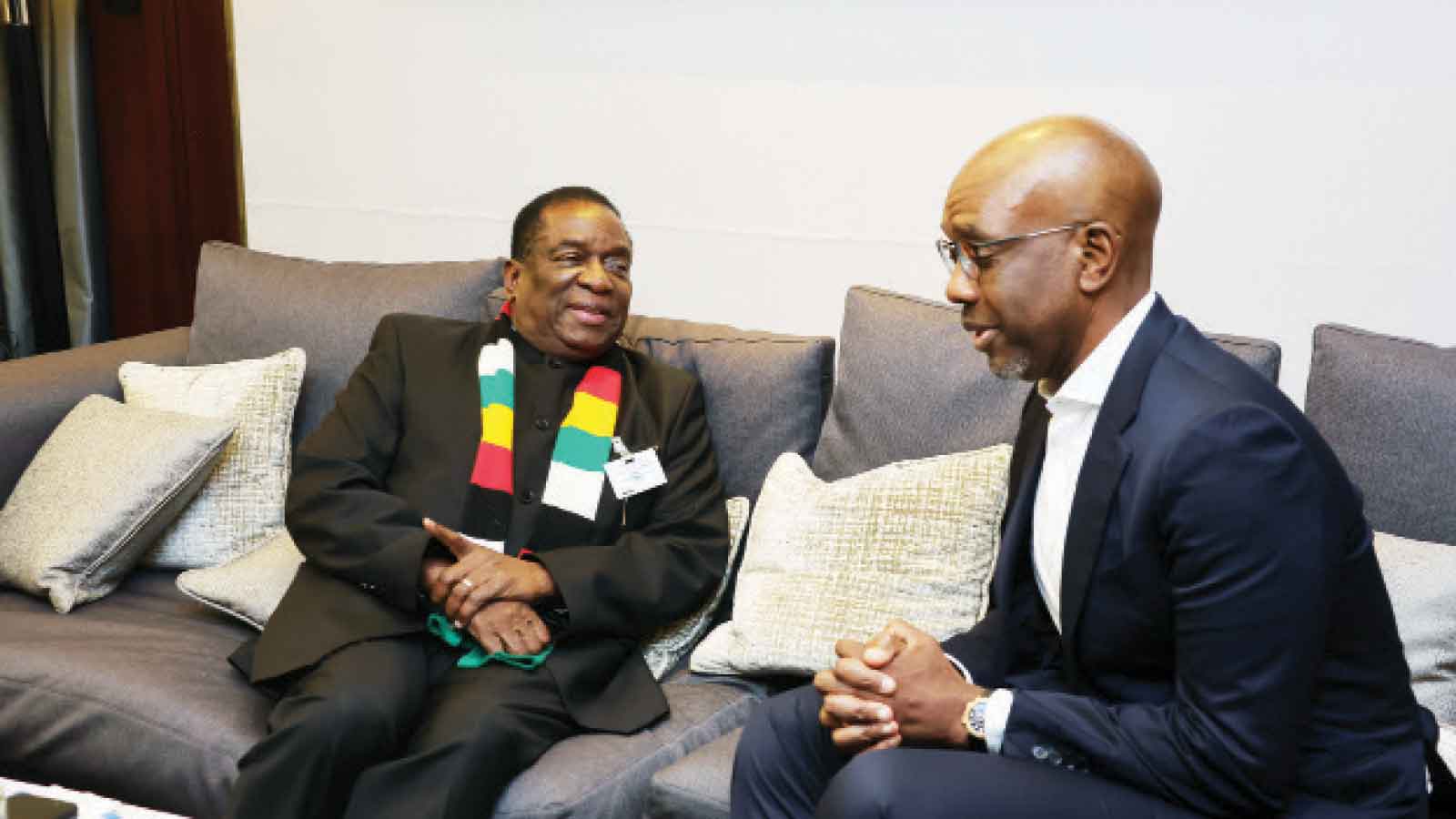
Wallace Ruzvidzo in New York, USA
GOOGLE Vice President for Research, Technology and Society Mr James Manyika paid a courtesy call on President Mnangagwa here yesterday on the sidelines of the 81st Session of the United Nations General Assembly, with discussions focusing on advancing Zimbabwe’s digital landscape and strengthening cooperation in artificial intelligence and information and communication technology.
In an interview after the meeting, Information Communication Technology (ICT), Postal and Courier Services Minister Tatenda Mavetera said the engagement explored ways Zimbabwe could tap into Google’s programmes, including scholarships and artificial intelligence training.
“What we are very grateful for is that we are having a conversation on how we can really advance our digital landscape as a country, and looking at how we can also tap into what Google is offering, especially the 100 000 scholarships. We were also looking at the capacity building and AI training that they are also offering in Zimbabwe,” she said.
Minister Mavetera said Government was also keen to explore partnerships with Google around the development of the country’s technology park, which has already secured land.
She said such partnerships would help strengthen Zimbabwe’s ICT start-up ecosystem and create opportunities for young innovators.
“We really need to enhance the ICT start-up ecosystem, and we are glad that these are conversations that we need to have continuously with various players, including Google,” said Minister Mavetera.
The engagement comes as Zimbabwe continues to position itself to benefit from rapid advances in AI, with Minister Mavetera saying the country was participating in wider global discussions on the adoption of emerging technologies.
“But here at UNGA, we are grateful that we had a lot of conversations around how we are implementing AI as a country, where we are thankful that our President has launched the National AI Strategy,” she said.
Minister Mavetera said Zimbabwe had also concluded its AI Charter, which provides a framework for ethics and governance around artificial intelligence.
“And now we have already concluded our AI Charter, which speaks to the ethics and governance around what we need to do. We need to create an artificial intelligence which is customised to our own context as Zimbabwe,” she said.
She said discussions at the Digital UNGA had further underscored the importance of countries working together to advance the adoption of AI.
“And also mainly the Digital UNGA. It spoke to how countries can collaborate in advancing the adoption of artificial intelligence across the board,” she said.
Minister Mavetera said Zimbabwe had made progress in developing its ICT talent and infrastructure, adding that Government initiatives such as the Presidential Internet Scheme were helping to expand connectivity.
“Zimbabwe has also done well in terms of infrastructure, where we have got various initiatives that our President has launched — initiatives like the Presidential Internet Scheme, which speaks to what we need to do in making sure that we have got everyone connected,” she said.
The ICT Minister said Government remained committed to ensuring that no one was excluded from the digital economy.
“No one should be left behind. No one should be left offline,” said Minister Mavetera.
She added that Zimbabwe would continue learning from other countries while developing its own digital capabilities and ensuring that emerging technologies were adapted to local needs.
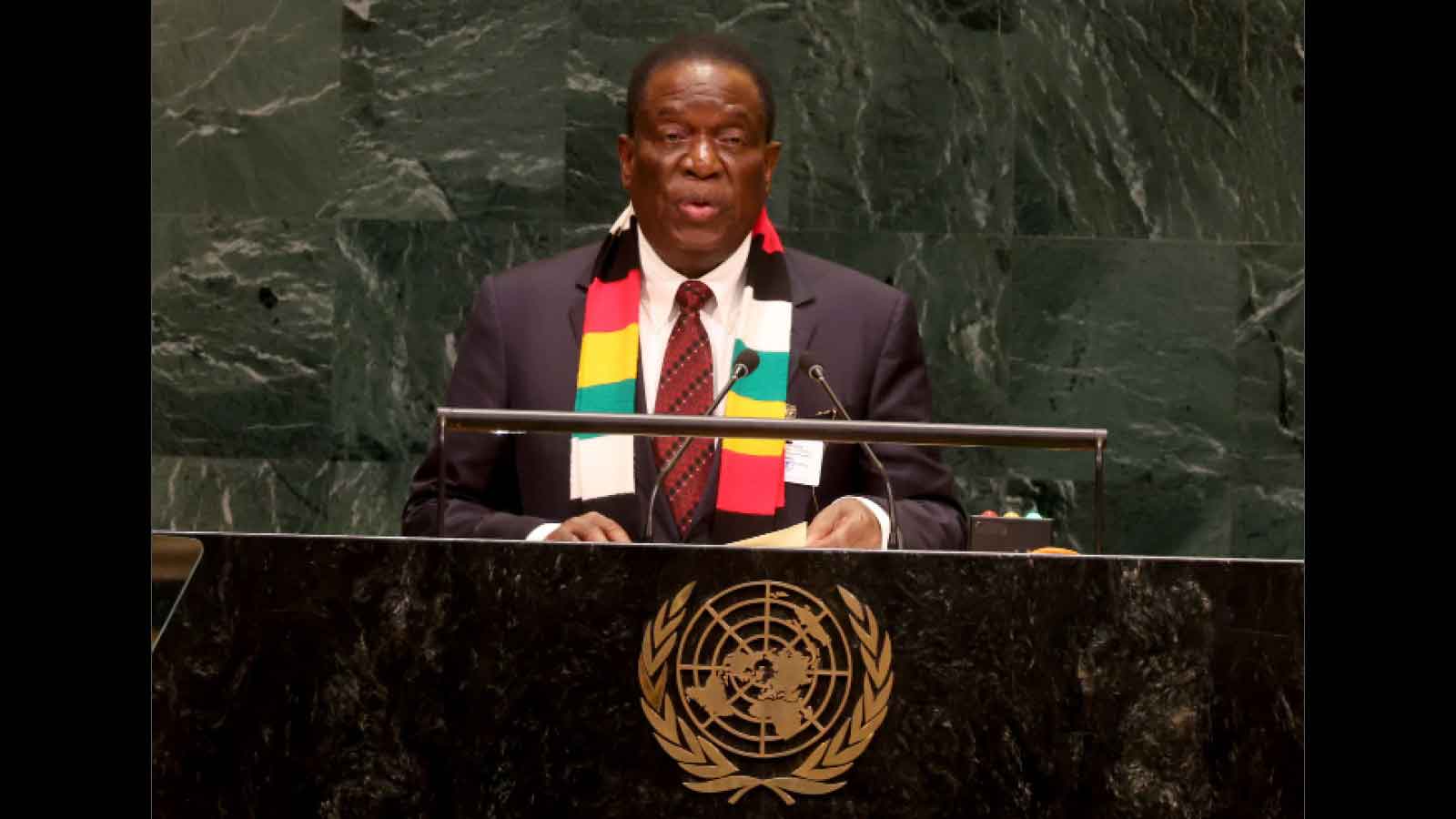
President Mnangagwa’s attendance at UNGA81 has been highly productive, with various engagements on the sidelines to advance Zimbabwe’s diplomatic, economic and development interests.
Among other engagements, he has met top United States investors, interacted with Zimbabweans in the Diaspora and held high-level meetings with international leaders and key stakeholders, further strengthening Zimbabwe’s engagement with the global community.