Chronicle Editor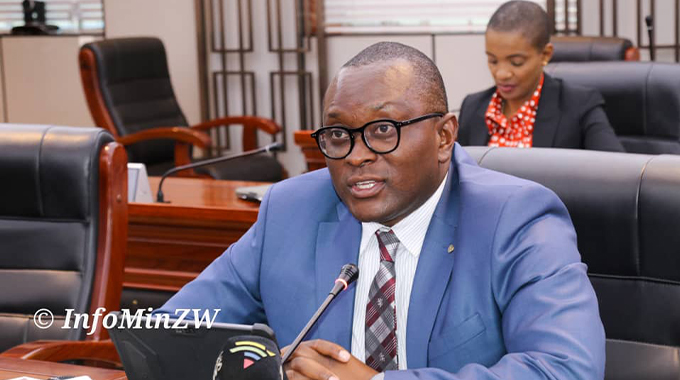
Bongani Ndlovu, Online Reporter
ZIMBABWE will soon implement a ‘Smart Traffic Management’ system to be rolled out in Harare and Bulawayo to curb corruption, road carnage, and enforce the law by bringing to book all those who violate regulations and enhance national security.
Information, Publicity and Broadcasting Services Minister, Dr Jenfan Muswere, revealed this in his post-Cabinet media briefing in Harare on Tuesday.
He said Cabinet received the report and approved the engagement of Vitronic Machine Vision Middle East in implementing a Smart Traffic Management System in Zimbabwe, as presented by the Minister of Home Affairs and Cultural Heritage, Cde Kazembe Kazembe.
“Vitronic Machine Vision Middle East, a Dubai-based company that specialises in Smart Traffic Management Systems, visited Zimbabwe from 12 to 16 May, 2024 and held discussions with key stakeholders.
“The company has installed similar systems in a number of countries including Morocco, Rwanda, United Arab Emirates, Saudi Arabia, France, Germany and Belarus,” said Dr Muswere.
He said the installation of the Smart Traffic Management System will benefit Zimbabwe by rescuing congestion, reducing corruption and improving national security.
Enforcement of the law by bringing to book all traffic regulation violators, reduction of road carnage, reduction of traffic congestion in the Central Business District, and reduction in corruption will be achieved as there will be minimal human intervention.
This would result in improved revenue streams for Government, which will be used to improve policing, and improved national security, as intelligent cameras will be installed and linked to the database of stolen vehicles and wanted criminals, said Dr Muswere.
He said Vitronic Machine Vision Middle East will invest between US$60 to US$80 million as an initial investment outlay.
“The project will be implemented under a Public-Private-Partnership model and will, at inception, be implemented in Harare and Bulawayo Metropolitan provinces. The company will recover its investment from fines paid for traffic violations through a revenue sharing arrangement,” said Dr Muswere.



 Online Reporter