Online Reporter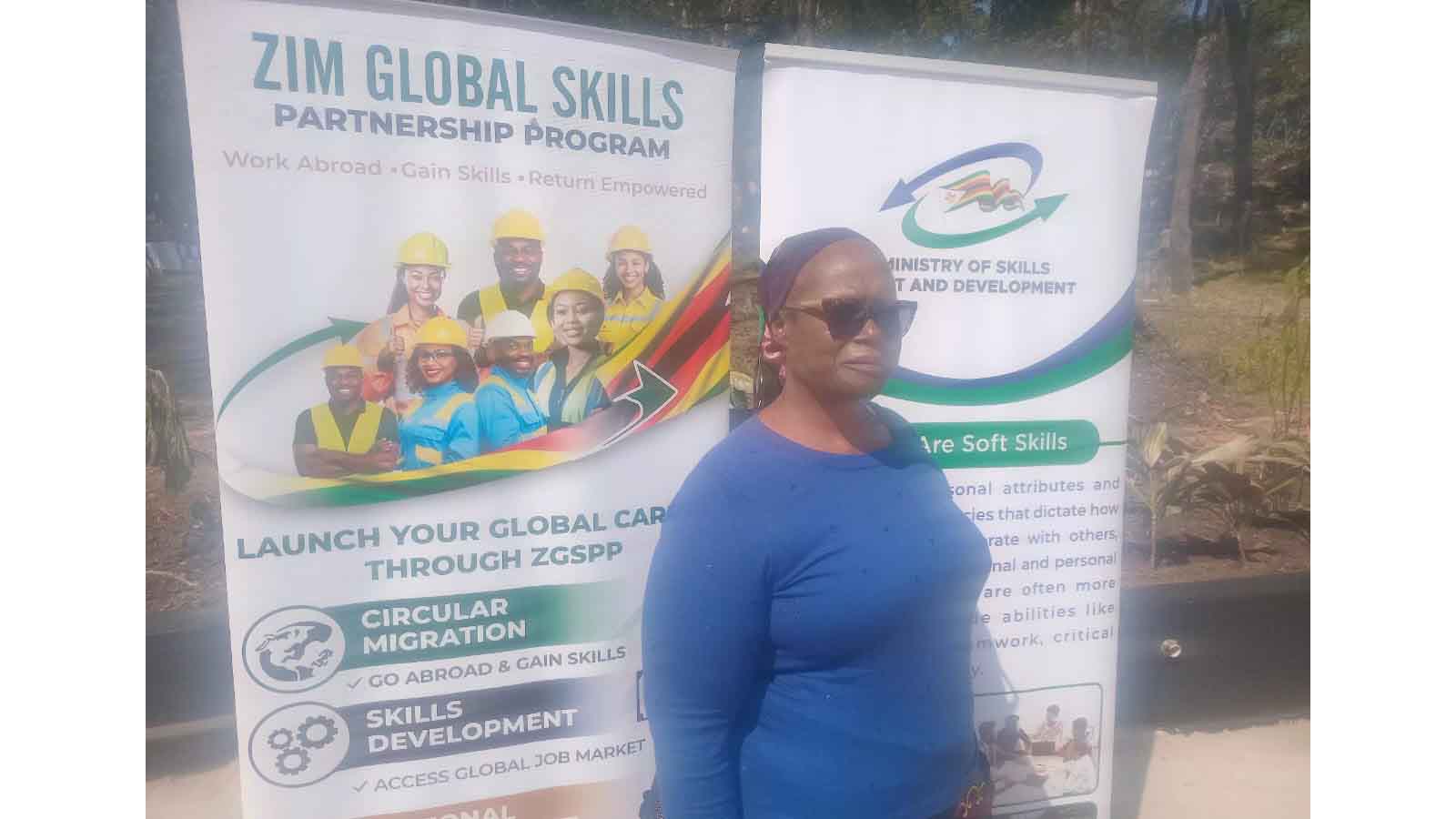
George Maponga
Masvingo Bureau
THE Zimbabwe Global Skills Partnership Programme Interministerial Committee Workshop, convened by the Ministry of Skills Audit and Development, has opened at Masvingo Hotel on Wednesday with calls for the country to harness its skills resource base and anchor the nation’s march towards Vision 2030 of an upper-middle-income society.
The three-day workshop being held at Clever’s Hotel on the shores of Lake Mutirikwi is also being attended by representatives from the ministries of Home Affairs and Cultural Heritage, Primary and Secondary Education, Public Service, Labour and Social Welfare and Foreign Affairs and International Trade.
Stakeholders attending the workshop will, among other things, devise strategies on how Zimbabwe can fully exploit its rich skills base to drive transformative development to engender development and prosperity.
The workshop also comes as Zimbabwe is among the countries experiencing the effects of an immigration crisis in South Africa that has spawned xenophobic attacks on foreign nationals, including Zimbabweans.
Skills Audit and Development Ministry’s permanent secretary Ambassador Rudo Chitiga said the country must have a database of some of the skilled people who are fleeing xenophobic attacks in South Africa.
Ambassador Chitiga said such skilled personnel could be handy in driving socio-economic transformation locally after their absorption in local industries and companies.
She said among the returnees fleeing the immigration crisis in South Africa were farm workers and construction workers, with some among the latter group having construction experience after participating in the building of stadiums that were used during the 2010 FIFA World Cup hosted by South Africa.
According to Ambassador Chitiga, some of the skilled workers would be handy in Zimbabwe’s value-addition drive, particularly in sectors such as agriculture, mining and tourism.
The Ministry of Skills Audit and Development will also soon start working on the country’s skills map for Vision 2030 to ensure that Zimbabwe has the required skilled personnel to meet its developmental targets and aspirations.
Some of the skilled workers could also be exported to other countries under a country-to-country arrangement like the official deployment of Zimbabwean teachers to Rwanda.
Ambassador Chitiga revealed that a Rapid Skills Audit will soon be rolled out countywide to establish the magnitude of the nation’s skills bank and devise strategies on how best they could be used in line with Vision 2030.