Online Reporter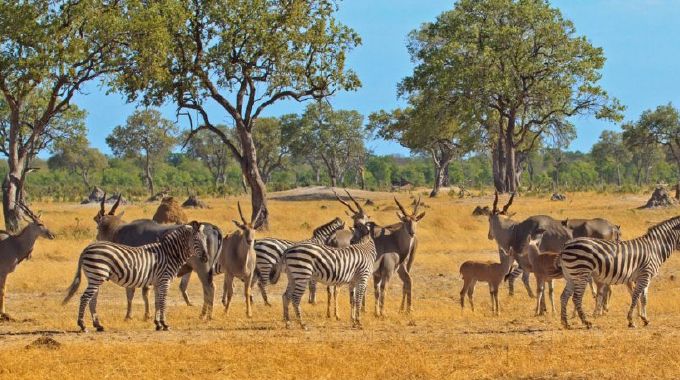
Martin Kadzere, [email protected]
ZIMBABWE’S hunting revenue is projected to rise by 25 percent this year, from US$40 million to US$50 million, as the safari industry further consolidates its position as a key driver of tourism growth, a senior industry official has said.
The increase in hunting receipts comes as the broader safari sector continues to make a significant contribution to overall tourism performance, according to Safari Operators Association of Zimbabwe president, Dr Emmanuel Fundira.
Tourism ranks among the country’s major economic sectors, alongside manufacturing, mining and agriculture.
The sector generated an estimated US$1,2 billion in 2025 and attracted more than 1,6 million international visitors.
Commenting on sector performance, Dr Fundira said that while the broader tourism industry is projected to grow by about three percent annually through to 2026, safari-related earnings remain central to the country’s tourism trajectory.
“The safari industry in Zimbabwe is therefore very high performing; it has been very resilient and central to economic growth, with a strong recovery after past downturns,” said Dr Fundira.
He added that when satellite accounting — incorporating accommodation, specialised use permits and related services — is taken into account, total safari-related earnings could easily reach US$100 million.
The sector’s strong momentum has been underpinned by a 15 percent increase in tourist arrivals recorded in 2025.
Dr Fundira attributed the growth to Zimbabwe’s “natural endowments”, including world-class attractions such as Victoria Falls, Hwange National Park and Mana Pools, combined with supportive Government policies.
He said these interventions include duty free imports for safari vehicles and tax incentives, which have helped stimulate investment in the sector.
According to Dr Fundira, the growing number of conservation conscious travellers has also played a critical role in driving growth.
“Tourists increasingly prefer ecotourism and the conservation-focused experience, which really has driven this level of performance, most importantly, the adoption by the industry of a conservation-based model, where revenue reinvestment into wildlife conservation has improved sustainability and global appeal.”
Dr Fundira stressed that the sector’s performance is closely linked to its international reputation.
“The rich natural assets which we enjoy in Zimbabwe are the main key drivers, but it is the continuous improvement of cultural tourism and local enterprise that has created a unique advantage for destination Zimbabwe.”
A key pillar of this growth has been the adoption of a “regenerative” model, which ensures that local communities are direct beneficiaries of safari operations. In some districts, communities receive up to 60 percent of safari revenues, transforming wildlife from a perceived threat into a valuable economic resource.
“This indeed reduces poverty, builds local support for conservation and strengthens the long-term success of the safari industry,” Dr Fundira noted.
“These funds are used for the funding of schools, clinics, and water sanitation. Villagers begin to see wildlife as an economic asset and not a threat, and by doing so, we have seen a decrease in poaching,” he added.
He further explained the shift in community attitudes, saying: “By making communities the core face and the protector of these animals, we ensure that the industry becomes a valuable resource for the people, which they see as worth protecting.”
Despite the optimistic revenue outlook, the industry is calling for a more stable regulatory environment to unlock the full potential of a projected US$10 billion tourism economy by 2030.
Dr Fundira said key challenges persist, including high operating costs that affect regional competitiveness, infrastructure gaps in transport and access, and environmental pressures such as climate change and elephant overpopulation.
He said that while these challenges remain, they are manageable with appropriate policy interventions.
“Some of the gaps are in the policy and regulatory environment, whereas industry players, we continue to emphasise the need for stable regulations to unlock growth. Properly addressed, these issues can easily mitigate the performance hurdles we have seen,” said Dr Fundira.
He reaffirmed the safari industry’s central role in Zimbabwe’s economic future.
“Our future performance depends on improving infrastructure, maintaining policy stability, and balancing conservation with community benefits. This ensures the industry becomes truly sustainable and regenerative.”