Ivan Zhakata
Herald Correspondent
ZIMBABWE and the International Fund for Animal Welfare (IFAW) have reaffirmed their commitment to strengthening wildlife conservation, tackling human-wildlife conflict and supporting communities living alongside wildlife under a long-term partnership that has already delivered significant gains in Hwange National Park and surrounding areas.
The partnership, which began in 2019, has expanded to include collaborative management of Hwange National Park and Matetsi Unit 5, with IFAW providing technical and financial resources to support conservation and community development initiatives.
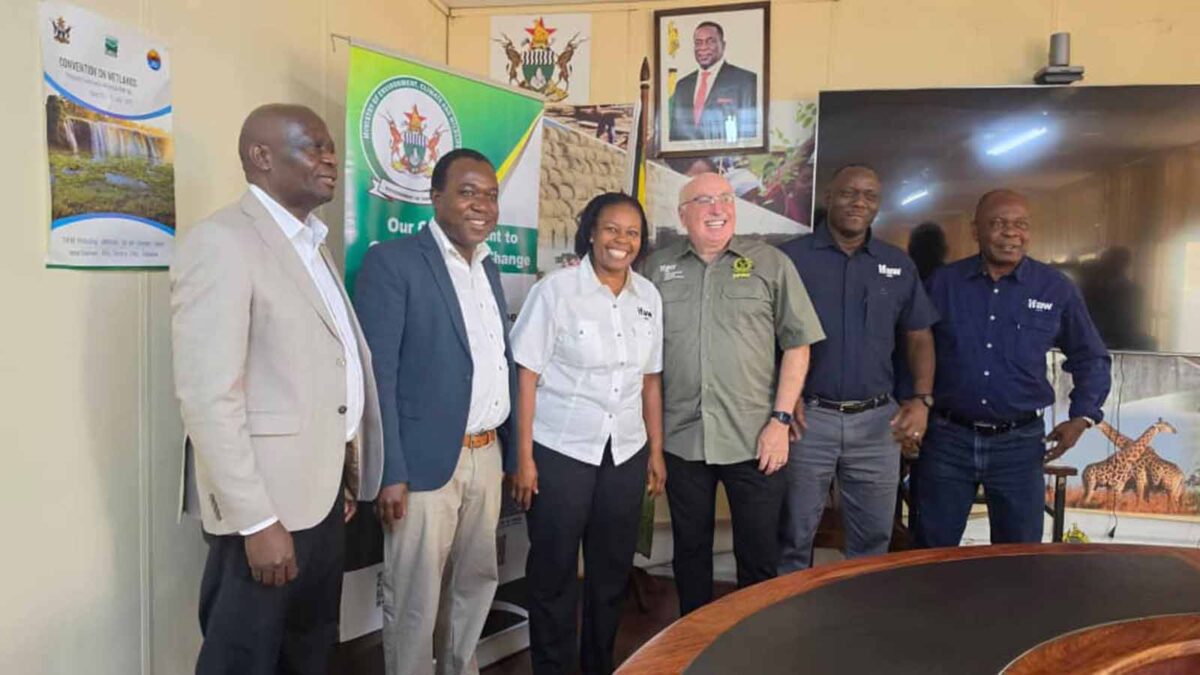
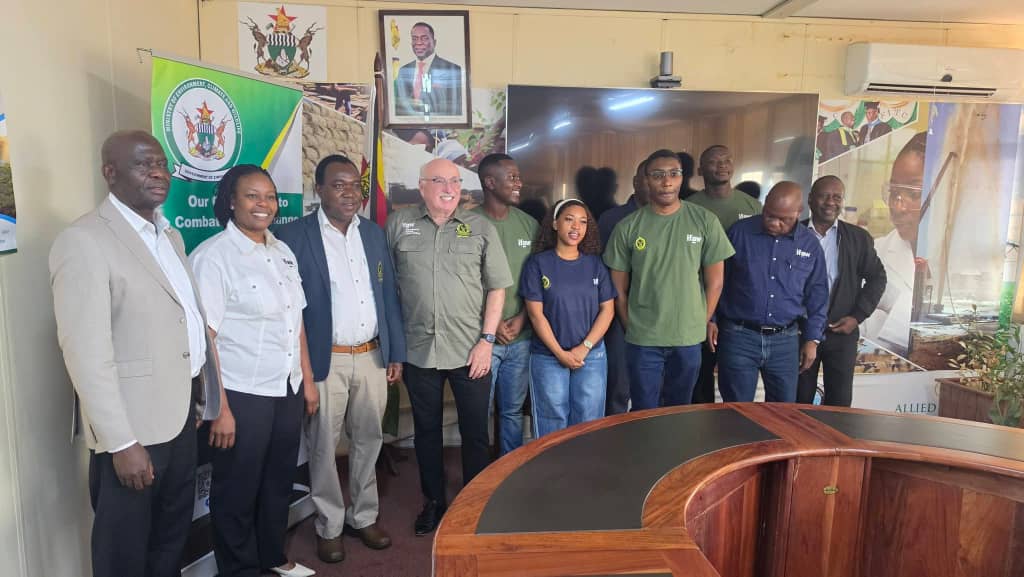
Speaking during a high-level meeting in Harare on Monday, Zimbabwe Parks and Wildlife Management Authority (ZimParks) director-general Dr Edison Gandiwa said the collaboration reflected the country’s commitment to attracting investment and building partnerships in wildlife conservation.
“Zimbabwe has taken a bold step to ensure that we have partnerships and collaboration in wildlife conservation. And to this end, in line with the Government’s trust that Zimbabwe is open for business, open for investment and also that Zimbabwe is a friend to all and an enemy to none,” he said.
Dr Gandiwa said the partnership has strengthened conservation operations, improved infrastructure for wildlife personnel and supported initiatives aimed at improving the livelihoods of communities surrounding protected areas.
“Through the 25-year MOU that we have, we can work together with IFAW. They bring the technical resources and also financial resources, which are put to good use for Hwange National Park and Matetsi Unit 5 and the broader ecosystem to ensure that we conserve our wildlife and also make an impact on socio-economic development,” he said.
He said the collaboration has enhanced law enforcement capabilities and improved facilities for rangers, including the establishment of a new base at Makona and the development of a modern pavilion at Hwange National Park.
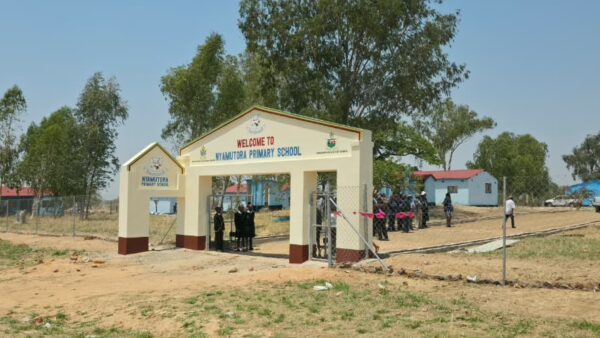
Community development initiatives have also been implemented, including the refurbishment of Dete Old People’s Home and the establishment of village business units and nutrition gardens.
Dr Gandiwa said the partnership was also supporting IFAW’s Room to Roam initiative, which seeks to create connected landscapes that allow elephants and other wildlife to move between habitats while reducing conflict with people.
He said the initiative was particularly important amid forecasts of reduced rainfall associated with El Niño conditions, which could place additional pressure on wildlife habitats and water resources.
“What is critical is for us to ensure that we secure the habitats, reduce incidents of fire and provide water,” he said.
“With IFAW as an all-weather friend, we are ready to ensure that we keep the habitats safe, the animals move where they have resources and reduce the impact of human-wildlife conflict.”
IFAW president and chief executive officer Mr Azzedine Downes said the partnership has demonstrated that coexistence between people and wildlife was possible when conservation programmes were supported by trust, respect and sustained investment.
“For me, this is really a celebration of a partnership that began in 2019 when we signed our first MOU and the thing that I really want to focus on is coexistence and the trust that ZimParks and the Ministry here put in IFAW,” he said.
Mr Downes said the collaboration has overcome scepticism about whether the partnership would succeed and whether communities could coexist with wildlife.
“This partnership has proven that those people who said that are wrong. The second thing is that there were many people who said the partnership would not succeed,” he said.
“Those people are wrong. After all of these years with the investment that we’ve made in Hwange National Park, it has succeeded.”
He attributed the progress to mutual trust, respect and the willingness of partners to listen to one another and resolve disagreements on conservation issues.
Mr Downes said mitigating human-wildlife conflict was central to the success of Room to Roam, particularly as elephants require extensive landscapes to move in search of food and water.
“For us, the initiative of Room to Roam rests upon the success that we have in mitigating human-wildlife conflict,” he said.
He said communities living alongside wildlife have the same aspirations as people elsewhere, including safety, good health and access to education.
“They want to be safe, they want to be healthy, and they want their children to be educated,” Mr Downes said.
“And without those things, we won’t be able to create a movement of people that live safely with wildlife.”
The partnership seeks to strengthen conservation while ensuring that communities benefit from wildlife-related initiatives, recognising that long-term protection of natural habitats depends on both ecological sustainability and the well-being of people living alongside them.