Langelihle Dube [email protected]
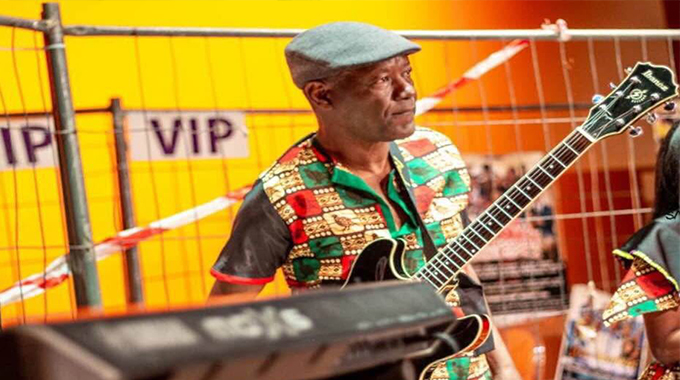
THE Zimbabwe Jazz Festival brings together established performers and emerging musicians in Bulawayo and Harare this weekend, as organisers seek to build on the genre’s resurgence and address challenges that continue to limit its growth.
Organised by the Zimbabwe Jazz Community Trust (ZJCT), the festival takes place in Bulawayo on Friday before moving to Harare on Saturday, providing a platform for musicians to showcase their talent while introducing jazz to new audiences.
However, despite renewed interest in the genre, limited radio airplay and the high cost of producing live music remain major obstacles to its growth, according to ZJCT representative Filbert Marova.
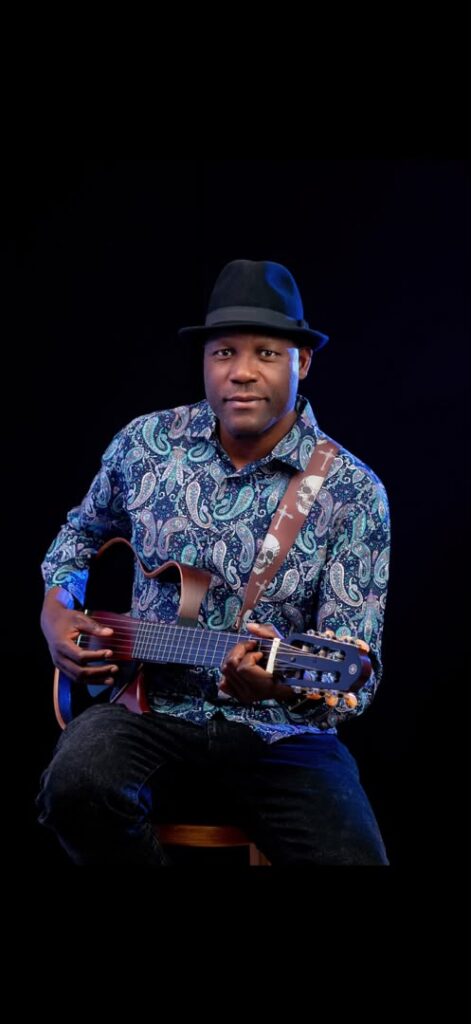
The Bulawayo edition features Jeys Marabini, Hudson Simbarashe, Nicholar and the Joshua Nemaire Experiment. The Harare programme includes the Joshua Nemaire Experiment, Vera & The Husbands, Jabavu Drive, the Bradley Sibiya Quintet, Tich Makalisa, Dudu Manhenga and Mudi.
For Marova, the festival is not only about entertaining audiences but also creating opportunities for emerging musicians to share the stage with established performers and build their careers.
He said the trust, founded in 2016, had helped revive interest in a genre that had previously experienced a period of decline, with more musicians embracing jazz and a dedicated audience gradually growing.
“While jazz previously experienced a period of decline in Zimbabwe, the founding of the Zimbabwe Jazz Community Trust in 2016 marked a significant turning point,” said Marova.
“Since then, we have seen a remarkable resurgence, with more musicians embracing the genre and a growing, dedicated audience. However, key challenges remain, most notably limited radio airplay and financial constraints.”
He said producing jazz music was particularly expensive because recordings often require several skilled instrumentalists, all of whom must be paid for their contributions.
Unlike some electronically produced genres, jazz frequently relies on collaboration between instrumentalists, making production costly for musicians with limited financial resources.
Limited radio exposure further compounds the problem, restricting artists’ ability to reach audiences beyond live performances.
Against this backdrop, the trust is deliberately using the festival to promote younger musicians whose talent may not yet have received widespread recognition.
Marova said the trust’s fortnightly Back 2 Jazzics sessions had become an important platform for identifying emerging performers, some of whom are now securing opportunities to play on bigger stages.
“This year’s line-up directly reflects the emerging talent showcased during our fortnightly Back 2 Jazzics sessions,” he said.
“Our deliberate focus has been on spotlighting vibrant, young, and lesser-known musicians who possess exceptional talent. They represent the future of Zimbabwean jazz, and we want audiences to experience the depth, quality, and promising trajectory of this next generation.”
The inclusion of younger performers is also part of efforts to attract a new generation of listeners, particularly young people who may be more familiar with contemporary popular genres.
Marova said the trust was using social media and other digital platforms to make jazz more accessible, while giving youth-led projects greater visibility through live performances.
He believes watching musicians of their own generation perform jazz can encourage young people to explore the genre and inspire aspiring instrumentalists to pursue it professionally.
The festival’s line-up reflects this balance between experience and emerging talent. Twenty-five-year-old bassist Josh Nemaire, a University of Cape Town Jazz Studies graduate, will headline both editions with the Joshua Nemaire Experiment, sharing the stage with established performers such as Marabini and Hudson Simbarashe.
Beyond the festival, however, Marova said sustaining the genre’s growth would require investment in musicians and infrastructure that supports their work.
The trust hopes to expand the festival beyond Bulawayo and Harare to other parts of the country, including Victoria Falls and Mutare.
Realising that ambition will require affordable recording facilities, stronger partnerships with broadcasters and cultural organisations, and sustained investment in the development of young musicians.
“To ensure this momentum continues, we need practical investments in artist development, affordable recording infrastructure, and stronger partnerships with broadcasters and cultural stakeholders,” he said.