

 Moffat Mungazi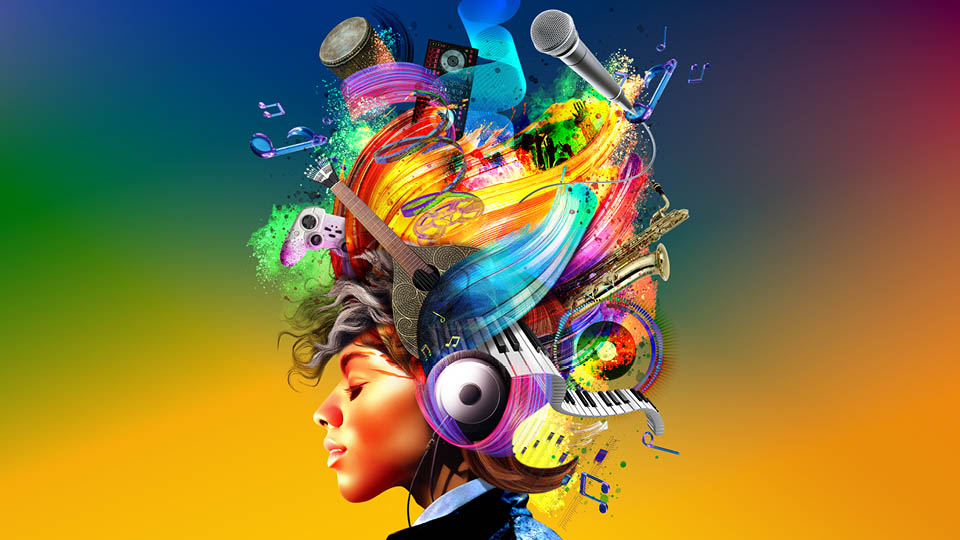
Lloyd Makonya
Correspondent
TOMORROW (Saturday) April 26, Zimbabwe joins the global community in commemorating World Intellectual Property Day, a significant occasion dedicated to raising awareness on the role of intellectual property (IP) in fostering innovation, creativity, and economic development.
Established by the World Intellectual Property Organisation (WIPO) in 2000, this annual celebration coincides with the date in 1970 when the Convention Establishing WIPO came into force.
Over the years, World Intellectual Property Day has grown to become WIPO’s largest public outreach campaign, highlighting how patents, trademarks, copyrights, and industrial designs influence every aspect of our daily lives.
This year’s theme: “IP and Music: Feel the Beat of IP,” places the spotlight on the global music industry, a sector pulsating with creativity and driven by the innovation and talent of composers, performers, producers, and other stakeholders.
It also underscores how IP rights protect and empower music creators, enabling them to earn a livelihood from their work, while contributing to cultural enrichment and economic progress.
Intellectual property is deeply embedded in nearly every facet of modern life.
From the brand names we trust to the apps we use, the music we stream, and the traditional knowledge systems we inherit, IP rights shape innovation, protect originality, and stimulate enterprise.
Whether in pharmaceuticals, fashion, film, agriculture, or technology, IP is not merely a legal construct, it is an economic enabler.
In the context of the creative arts, copyright ensures that composers and musicians retain control over their work and receive compensation when their music is used commercially.
Trademarks safeguard brand identity, while industrial designs protect the aesthetic elements that distinguish products in the marketplace.
Meanwhile, patents continue to drive scientific and technological advances by granting inventors exclusive rights to their innovations.
For Zimbabwe, intellectual property offers a strategic lever for economic transformation and cultural preservation.
Our nation is rich in natural resources, biodiversity, folklore, music, and traditional knowledge systems each of which holds untapped potential if appropriately harnessed through the IP framework.
Zimbabwe must continue to leverage intellectual property as a tool for job creation, technological advancement, and cultural promotion.
By fostering a culture of innovation and ensuring that creators and inventors are fairly rewarded, the nation can build a more prosperous and knowledge-driven economy.
Zimbabwean music, which blends traditional rhythms with contemporary styles, is a vibrant example of cultural capital.
By strengthening copyright protection, encouraging collective licencing, and supporting local artistes in understanding their rights, Zimbabwe can elevate its music industry to new economic heights while preserving its unique cultural identity.
Beyond the arts, Zimbabwe’s agricultural sector can benefit immensely from the protection of geographical indications (GIs), trademarks, and patents.
Moreover, innovation in small-scale manufacturing, health, and digital technology should be incentivised and supported through IP-based entrepreneurship.
To fully realise the potential of IP, Zimbabwe must invest in robust IP education, public awareness, and institutional frameworks.
Partnerships between government agencies, universities, creative industries, and rural communities are crucial to cultivating a culture that values and leverages IP as a tool for empowerment and development.
As we celebrate World Intellectual Property Day under the banner of music, we are reminded that behind every melody, rhythm, or chorus lies a story of ingenuity deserving of recognition and protection.
The beat of IP is, not just felt in the entertainment halls, but also in classrooms, factories, laboratories, and even traditional homesteads where every creative and innovative idea holds the promise of a better tomorrow.
Let Zimbabwe rise in harmony with the rhythm of IP and build a knowledge-based, inclusive, and creative economy for generations to come.



 Online Reporter