Nqobile Bhebhe, Zimpapers Business Hub
ZIMBABWE and Kenya can accelerate capital market development by sharing investment innovations, expanding digital trading platforms and creating easier routes for businesses and ordinary citizens to participate in securities markets.
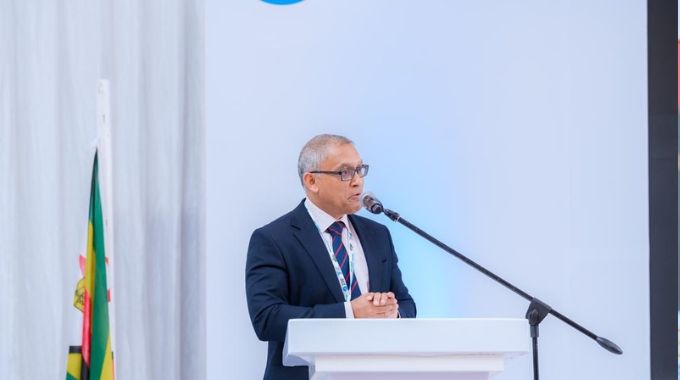
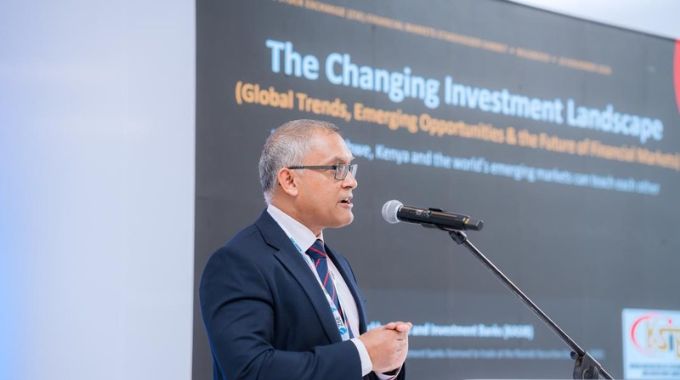
This was noted at the inaugural Financial Markets Stakeholder Summit in Bulawayo by Kenya Association of Stockbrokers and Investment Banks (KASIB) director Mr Ewart Salins, who outlined practical lessons the two countries could exchange to deepen market participation and attract investment.
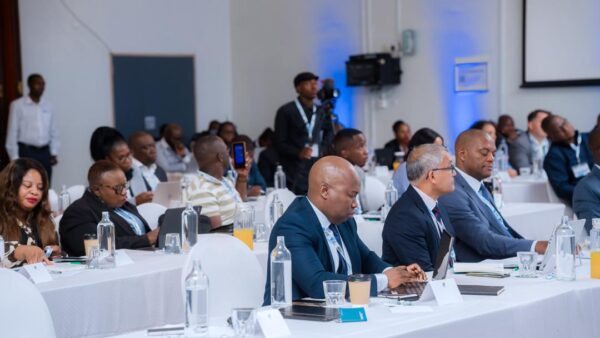
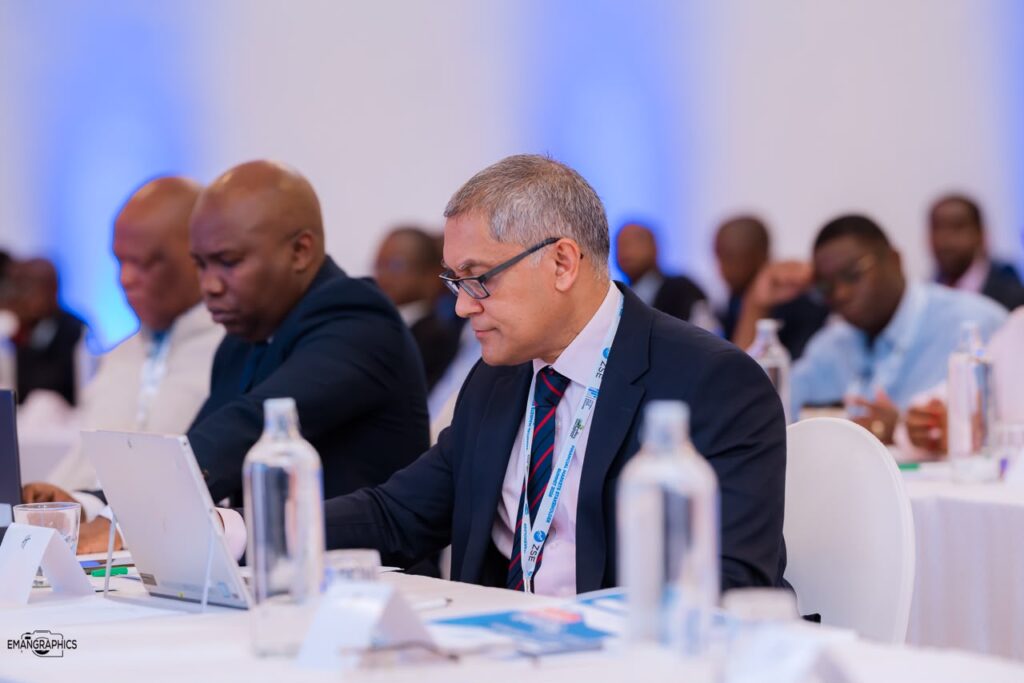
The summit is held under the theme “Shaping the Future of Zimbabwe’s Financial Markets: Connecting Capital, Innovation and Opportunity”
Mr Salins said Zimbabwe could draw lessons from Kenya’s success in taking investment services to mobile phones through platforms such as M-Akiba, Vuka and Ziidi Trader, making securities investment more accessible.
Kenya has also used unit trusts to bridge the gap between traditional bank deposits and capital markets, attracting about 4,1 million investors.
“Take investing to the phone, as M-Akiba, Vuka and Ziidi Trader have done,” he said.
He also encouraged Zimbabwe to consider using State divestitures to broaden public ownership, citing Kenya Pipeline Company’s initial public offering, which raised about US$820 million.
On the other hand Kenya could learn from Zimbabwe’s efforts to develop alternative investment products and expand access to different categories of issuers.
“Offer a hard-currency listing route for exporters, miners and diaspora savers,” Mr Salins said while spotlighting an opportunity for Kenya to attract foreign currency investment through specialised exchange platforms.
He also urged Kenya to sponsor local exchange-traded funds (ETFs) and real estate investment trusts (REITs) without waiting for foreign issuers or market scale.
Zimbabwe’s structured pathways for smaller businesses, including the Zimbabwe Emerging Enterprise Exchange (ZEEX), could also offer lessons in preparing small firms for formal capital raising.
Looking beyond the two markets, Mr Salins said South-East Asian economies demonstrated that capital market development required phased reforms, institutional support and regional cooperation.
“Treat liquidity as something institutions can seed, as Singapore does,” he said.
He encouraged both countries to strengthen exchange linkages, including participation in the African Exchanges Linkage Project (AELP), allowing investors to access regional opportunities and smaller markets to benefit from deeper liquidity.
The exchanges could also use depositary receipts to connect regional issuers with investors across borders, broadening investment choices and improving capital mobilisation.