Online Reporter
Jimmy Murwira, Correspondent
SADC has taken yet another commendable step in advancing regional resilience by launching the second cohort of emergency response training in Nyanga, Manicaland Province.
Running from August 24 to September 5, 2025, this initiative reaffirms the region’s collective determination to confront disasters head-on, while also shining a spotlight on Zimbabwe’s growing role as a centre of excellence for capacity building, co-operation, and long-term stability in southern Africa.
This training programme follows the successful launch of the inaugural cohort in South Africa last year.
Its overarching goal is to equip specialised personnel with critical skills for disaster prevention, rapid response, and post-crisis management.
By preparing Member States to act swiftly and in unity, SADC is signalling to the world that it is no longer content with ad-hoc reactions to disasters. It is building a proactive, professional, and co-ordinated response system.

It is worth celebrating that Zimbabwe, under the visionary leadership of President Mnangagwa, has become a key player in spearheading this crucial initiative.
During his chairmanship of SADC, emphasised regional co-operation, stability, and preparedness, stressing that no country can stand alone when confronted by natural or human-made disasters.
Hosting this second cohort in Nyanga is a direct reflection of the country’s ability to provide not just logistical capacity but also a political and moral commitment to a safer and more resilient region.
Zimbabwe’s decision to host such a significant programme is not merely symbolic. It showcases the country’s growing reputation as a reliable regional partner, capable of mobilising resources, expertise, and hospitality in service of broader SADC goals.
This alone should inspire national pride, as the country continues to attract continental and global recognition for its ability to convene, facilitate, and lead.
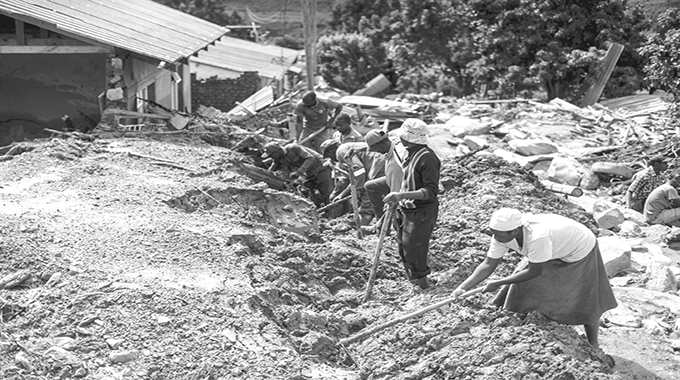
Southern Africa has witnessed, and at times suffered, the devastating toll of disasters. Cyclone Idai of 2019, which ravaged Mozambique, Malawi, and Zimbabwe, remains a haunting reminder of how vulnerable the region is to extreme weather events.
Thousands of lives were lost, entire communities were uprooted, and infrastructure worth billions was destroyed. Similarly, recurring droughts linked to El Niño, floods, disease outbreaks, seismic activity, and even conflict-driven emergencies in parts of the Democratic Republic of Congo and Mozambique have consistently undermined developmental gains.
These crises highlighted an urgent truth: regional integration is not only about trade and politics, but also about collective security and survival. In that context, SADC’s decision to professionalise disaster preparedness is both timely and visionary.
By training personnel across all Member States, the organisation is ensuring that the region can respond faster, more effectively, and with greater unity whenever emergencies strike.
The Nyanga training, like the one before it, will gather experts from across southern Africa to sharpen their skills in areas such as search and rescue operations, emergency medical response, disaster logistics, risk assessment, and post-crisis rehabilitation.
These professionals are not just responders but they are future trainers, who will cascade knowledge and skills to national structures in their respective countries, creating a ripple effect that strengthens entire communities.
This culture of preparedness is invaluable.
Disasters are no longer isolated events; climate change, globalisation, and regional interconnectedness mean their impacts are wider, more frequent, and often more complex.
Having trained personnel on standby across SADC ensures that even the most vulnerable Member States can benefit from a pool of shared expertise and resources. In other words, no country will be left alone in its hour of need.
Hosting this year’s training in Nyanga is more than a logistical achievement and it is a demonstration of Zimbabwe’s growing stature as a hub for regional co-operation.
The selection of Manicaland Province, which bore the brunt of Cyclone Idai, also carries deep symbolic meaning. It represents not just the memory of tragedy, but also the promise of resilience and recovery.
The hospitality sector in Zimbabwe has risen to the occasion, with hotels, training venues, and logistical providers ensuring that the delegates from across SADC are well accommodated.
This in itself reflects the synergy between government, private sector, and local communities; a model of collaboration that can be emulated in future regional initiatives.
One of the less discussed but equally important dimensions of disaster preparedness is its direct link to economic development.
Every cyclone, drought, or flood that strikes southern Africa erodes years of progress in infrastructure, education, healthcare, and livelihoods.
Without systems of preparedness and rapid response, the region risks sliding backward every time it confronts a crisis.
By investing in training and preparedness, SADC is essentially safeguarding development gains, foreign investment, and community stability.
The more resilient the region is to shocks, the more confidence investors, tourists, and citizens will have in its future.
For Zimbabwe, hosting this event amplifies its message to the world: that it is a stable, capable, and forward-looking nation committed not just to its own growth but also to that of the region.
It is impossible to discuss this initiative without acknowledging the foresight of President Mnangagwa.
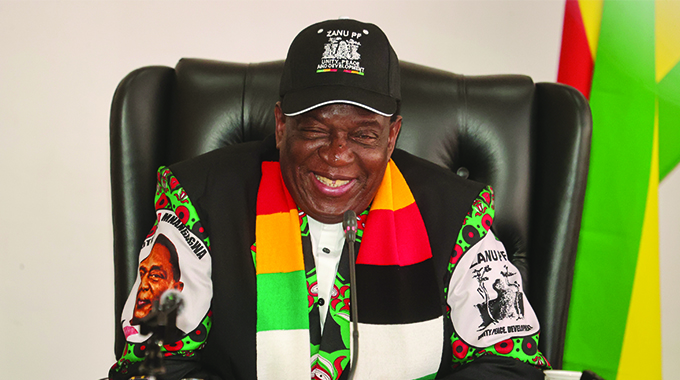
His tenure as SADC chair was marked by a clear understanding that security and development are intertwined.
His push for regional co-operation in peace, security, and preparedness laid the foundation for programmes such as this.
Full article on www.chronicle.co.zw
By nurturing such initiatives, he has positioned Zimbabwe as a thought leader in regional resilience, demonstrating that leadership is not merely about rhetoric but about practical, lasting contributions that touch lives across borders.
The SADC Emergency Response Training Programme is, therefore, not only a milestone for the region but also part of President Mnangagwa’s enduring legacy.
As the second cohort embarks on their training in Nyanga, the vision of a safer, stronger, and more united southern Africa comes into sharper focus.
This is not a once-off event, but part of a growing regional framework that will ensure disasters no longer paralyse economies, derail development, or devastate communities.
The training is also a timely reminder that regional solidarity is the strongest weapon against crises. In a world where no nation is immune to disaster, southern Africa is choosing co-operation over isolation, foresight over reaction, and resilience over vulnerability.
Zimbabwe deserves high praise for hosting this prestigious and impactful programme.
The SADC Emergency Response Training initiative is not just about responding to disasters but it is about shaping a future where southern Africa is prepared, resilient, and united.
By providing the platform for this initiative, Zimbabwe is proving itself not only as a capable host but also as a pillar of regional progress and co-operation.
This is a proud moment for the nation and a beacon of hope for the entire region.
Southern Africa can now face the future with renewed confidence, knowing that it is steadily building the skills, systems, and solidarity needed to protect its people and development gains. In Nyanga, a new chapter of regional resilience is being written, one that Zimbabwe can proudly claim to be leading.