Online Reporter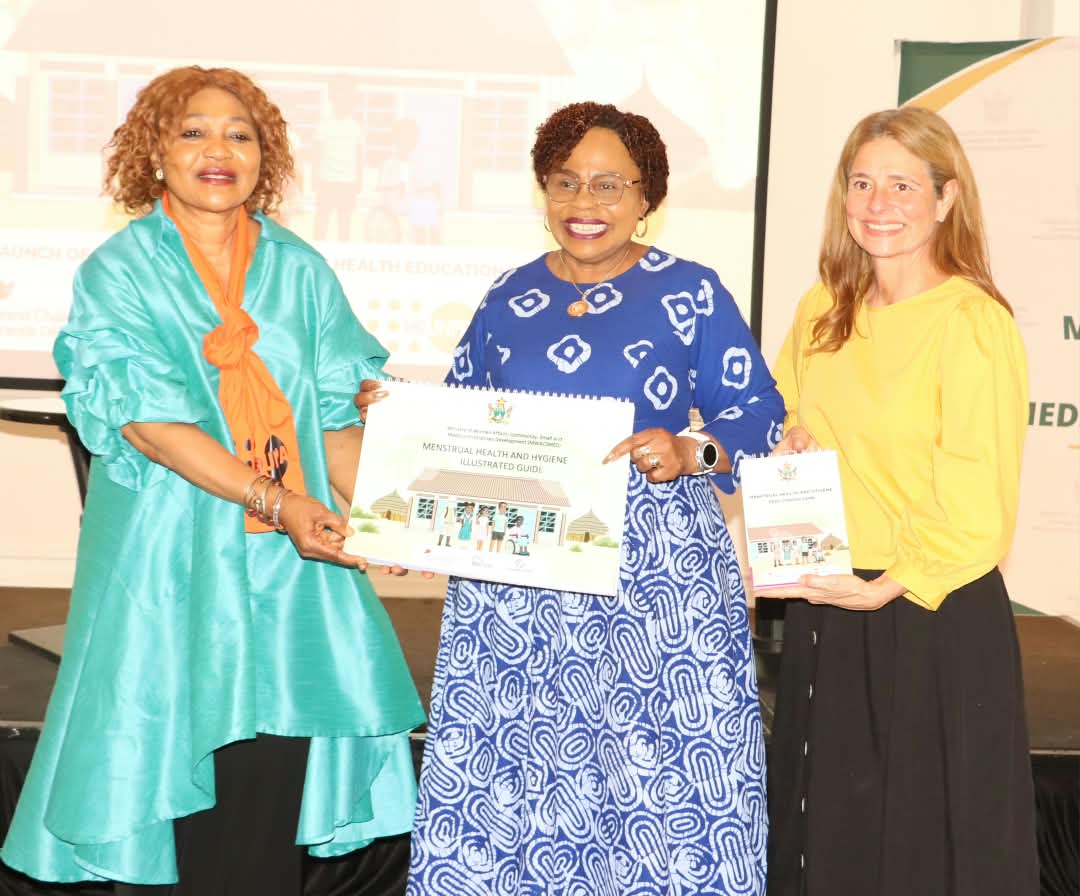
Sekai Manyere
Herald reporter
Women Affairs, Community, Small and Medium Enterprises Development Minister, Monica Mutsvangwa has officially launched the National Menstrual Health Education Package and the Zero Taboos Game, marking a milestone in efforts to promote health, dignity, education and empowerment for young people across Zimbabwe.
Minister Mutsvangwa said menstruation is not a private issue, but a national development concern.
“Menstrual health is not a private or isolated matter. It is a critical component of national development, gender equality, and human capital growth,” she said.
She added that the launch reflected a commitment to ensuring that no girl is disadvantaged because she menstruates.
“By addressing it openly, we affirm our shared commitment to building a society where no girl is disadvantaged simply because she menstruates,” she said.
Minister Mutsvangwa described the partnership with World Bank, United Nations Population Fund (UNFPA) and Be Girl role as aligning with a shared vision that every young person should access accurate information and support to make informed health decisions.
“The partnership reflects a shared vision of creating an environment where every young person has access to accurate information and the support necessary to make informed decisions about their health and wellbeing,” she said.
Minister Mutsvangwa said the package and accompanying game were informed by broad stakeholder consultations and designed to respond to the realities, needs and aspirations of Zimbabwean girls and women.
“The resulting package is not only technically sound but also responsive to the realities, needs and aspirations of Zimbabwean women and girls,” she said.
The minister also outlined persistent barriers undermining menstrual health education, including limited access to information, inadequate sanitation facilities, cultural taboos and misinformation factors that affect confidence, school participation and contribute to absenteeism.
“Too many girls begin menstruation without adequate knowledge of what to expect, leaving them frightened, confused and sometimes ashamed,” she said.
She further noted that stigma damages self-esteem, mental wellbeing and social inclusion.
“Stigma surrounding menstruation damages self-esteem, mental wellbeing and social inclusion,” said the minister.
Minister Mutsvangwa said addressing menstrual health requires more than products, calling for education, supportive environments, functional water and sanitation facilities and informed teachers and health workers.
“Addressing these challenges requires more than menstrual products. It demands quality education, supportive family environments, functional water and sanitation facilities, informed teachers and health workers, positive community attitudes and policies that uphold the dignity of girls and women,” she said.
She also said the initiative recognises the importance of including boys in menstrual health education, arguing that informed boys are less likely to perpetuate stigma and more likely to provide support.
“Menstrual health education must include both girls and boys. When boys are informed, they are less likely to perpetuate stigma and more likely to become supportive classmates, brothers and future partners,” she said.
The National Menstrual Health Education Package, she said, provides a standardised, evidence-based, age-appropriate resource to strengthen teaching across schools and communities as it is intended to give teachers, health workers and peer educators practical guidance and tools for consistent messaging, while allowing flexibility for local needs.
“The National Menstrual Health Education Package provides a standardised, evidence based, age appropriate resource to strengthen education across schools and communities,” she said.
She described the Zero Taboos as a youth-friendly, interactive method for discussing sensitive topics in a safe setting.
“This game creates a safe platform for discussing topics that might otherwise be uncomfortable, it encourages curiosity, corrects myths and builds confidence,” she said.
The launch, Minister Mutsvangwa said, marks the beginning, it warned that success would be measured not by the production of materials but by their effective implementation, including training for teachers, facilitators and efforts by communities to challenge harmful myths.
“Success will be measured not by the production of materials but by their effective implementation.
“Teachers, facilitators and health workers must be trained, communities must challenge harmful myths and the private sector must support accessibility and affordability of products,” the minister said.
She also addressed young people directly, urging them to engage with the learning opportunities and become ambassadors of accurate information.
“To our young people, embrace this opportunity to learn, ask questions, and become ambassadors of accurate information,” she said.