Online Reporter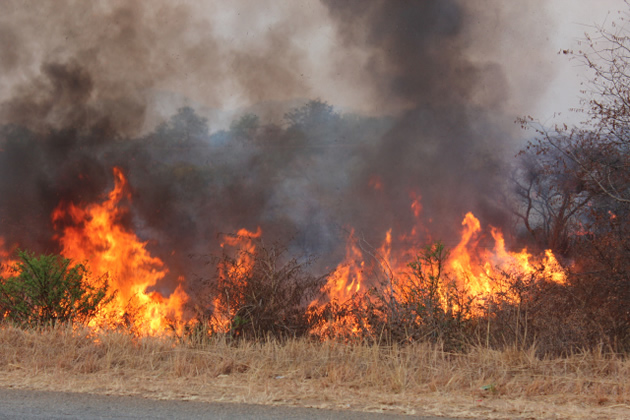
THE latest statistics from Matabeleland North should alarm every Zimbabwean. More than 40 000 hectares of land have already been destroyed by veld fires since the start of the fire season on July 1.
That figure is almost nine times higher than the 4 655 hectares lost during the same period last year.
These are not just numbers on paper. Behind them lies the destruction of grazing land, crops, forests, wildlife habitats and livelihoods. Every hectare consumed by fire represents a loss to communities, farmers and the nation as a whole. If urgent action is not taken, the damage could become even more severe, with more than two months of the fire season still remaining.
Zimbabwe cannot afford to treat veld fires as a seasonal inconvenience. They have become a serious environmental and economic threat.
For a country whose economy relies heavily on agriculture, mining, tourism and natural resources, uncontrolled fires undermine growth and development. Farmers lose valuable grazing land for livestock, wildlife habitats are destroyed, forests are reduced to ash and communities are left counting losses that often take years to recover from.
What makes the situation even more frustrating is that most veld fires are preventable. They are rarely natural disasters. More often than not, they are caused by human actions such as careless burning, discarded cigarette butts, hunters using fire, motorists throwing burning objects from vehicles or people clearing land without observing regulations.
This means the solution lies largely in changing behaviour and strengthening enforcement.
The law already requires landowners, farmers and occupiers to construct standard fireguards to prevent the spread of fires. Yet every year, many people ignore these requirements until disaster strikes. Compliance should not be viewed as a burden but as a responsibility to protect property, livelihoods and the environment.
Traditional leaders, local authorities and farming organisations must intensify awareness campaigns in their communities. Every village, ward and district should understand the devastating consequences of veld fires and the simple measures that can prevent them.
At the same time, authorities must ensure that those who deliberately or negligently start fires face the full consequences of the law. Strong enforcement sends a clear message that environmental destruction will not be tolerated.
The private sector also has a role to play. Mining companies, commercial farms and businesses operating in fire-prone areas should invest in fire prevention measures, emergency response equipment and community awareness programmes. Protecting the environment is not solely a Government responsibility; it is a collective duty.
Schools should also be brought into the fight against veld fires. Teaching children about environmental stewardship encourages a culture of responsibility that can help reduce fire incidents in the future.
The growing impact of climate change makes the challenge even more urgent. Increasing temperatures and prolonged dry spells create conditions that allow fires to spread faster and over greater distances. This means Zimbabwe cannot rely on past approaches alone. It must adopt more aggressive prevention strategies, better monitoring systems and stronger community participation.
The warning signs from Matabeleland North are clear. If more than 40 000 hectares can be lost in just two months, the national toll by the end of the fire season could be devastating.
Preventing veld fires is far cheaper than repairing the damage they leave behind. It is therefore essential that communities, farmers, businesses, traditional leaders and Government agencies work together to protect the country’s natural resources.
Zimbabwe’s forests, grasslands, wildlife and agricultural land are among its greatest assets. Allowing them to go up in flames year after year is a price the nation simply cannot afford to pay.
The time for action is now.