Zimbabwe is right to pursue the removal of illegal Western sanctions without allowing that campaign to become an excuse for economic paralysis.
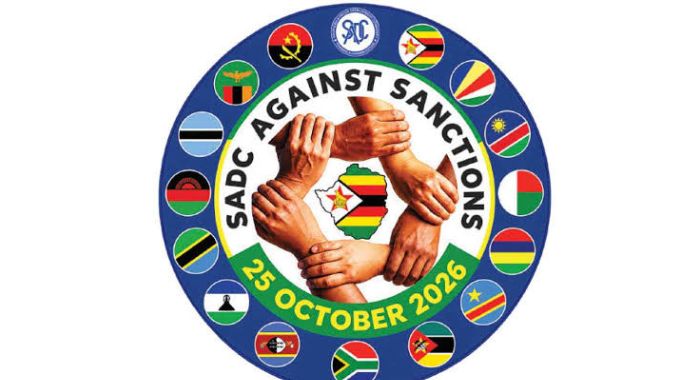
President Mnangagwa’s message to mark SADC Anti-Sanctions Day captures a principle that deserves national support: diplomatic engagement and economic development must advance together.
For too long, the debate about sanctions has risked overshadowing the more immediate question of what we can produce, export and build for ourselves. The Government’s two-pronged approach offers a practical answer. It demands fairer international engagement while placing responsibility for growth firmly in our hands.
There is measurable progress to defend. Annual inflation in the Zimbabwe Gold currency stood at 3,7% in September, a remarkable contrast with the episodes of runaway price increases that previously devastated household incomes and business confidence.
The exchange rate has remained broadly stable, according to the International Monetary Fund (IMF), reinforcing the value of disciplined monetary and fiscal policies. Greater stability gives businesses a firmer basis for pricing, planning investment and preserving scarce working capital.
The economy expanded by 4,6% in the first half of 2026, with growth for the full year projected at 5%. Exports rose 14,2% month-on-month to $1,68bn in August, producing a $526,5mn merchandise trade surplus.
The GDP is set to end the year at $65,92 billion, making our economy Africa’s 14th largest, according to the IMF.
These results indicate that Zimbabwe can expand production and earn foreign currency despite a difficult external environment.
They also strengthen the President’s argument that development cannot be postponed.
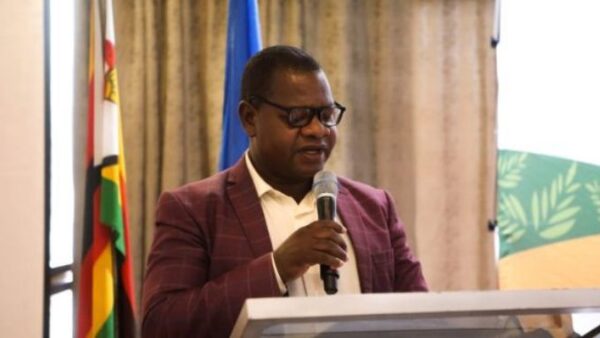
“Even under the illegal economic sanctions, Zimbabwe is rising,” he declared in a message he delivered ahead of SADC Anti-Sanctions Day yesterday.
The country’s response to external pressure should be measured not only by the strength of its diplomatic protests, but by factories operating, farms producing, mines investing and workers earning sustainable incomes.
The sanctions debate nevertheless requires precision.
The United States and the European Union have eased some sanctions a bit, we must acknowledge, but the country must continue pressing its case through diplomacy, identifying remaining restrictions and seeking constructive solutions.
Equally, economic progress must not breed complacency. Low inflation does not automatically reverse past losses in purchasing power, while export earnings remain heavily dependent on minerals and international commodity prices. Power shortages, high production costs and the threat of drought still demand attention.
That is why value addition, reliable electricity, irrigation, infrastructure and competitive domestic industries must remain central to national policy. Deeper trade within SADC and COMESA can open markets for manufactured goods rather than perpetuating dependence on raw-material exports. Stable policies and transparent institutions will also help attract productive investment.
Above all, recovery must be felt in jobs, wages and household welfare. Statistical improvements matter most when ordinary Zimbabweans experience them in their daily lives.
Zimbabwe should neither surrender its call for the removal of sanctions nor wait helplessly for outsiders to act. The stronger course is to keep engaging the world while accelerating reform and production at home, as the President said. Diplomatic persistence and economic self-reliance are not competing objectives; together, they offer the most credible route to lasting prosperity for all Zimbabweans.