Online Reporter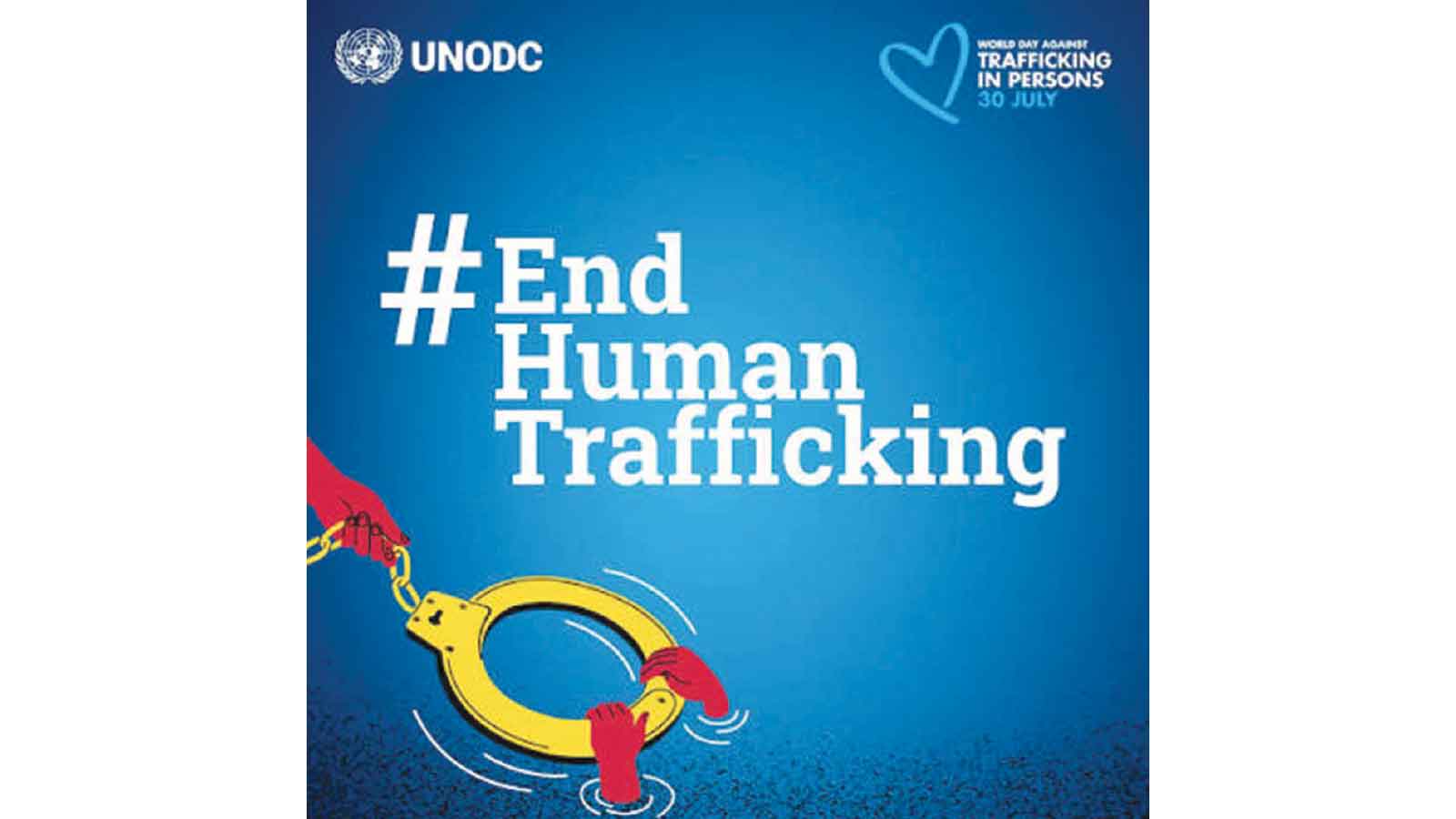
Marilyn Mutize
HUMAN trafficking remains one of the gravest violations of human rights in the 21st century. It strips people of their dignity, freedom and future, reducing human beings to commodities for exploitation and profit.
While the crime has evolved over the years, becoming more sophisticated and transnational in nature, its devastating consequences remain painfully unchanged. Behind every victim is a shattered dream, a broken family, and a life forever altered by exploitation.
As Zimbabwe joined the rest of the world in commemorating World Day Against Trafficking in Persons yesterday (July 30), the occasion must serve not only as a day of reflection but also as a call to action. It is an opportunity to acknowledge the progress made in combating trafficking while recognising that much more remains to be done.
Human trafficking is no longer confined to dramatic Hollywood portrayals of people being smuggled across borders in the dead of night. Today’s traffickers are organised, technologically savvy and increasingly difficult to detect.
They exploit poverty, unemployment, conflict, gender inequality and people’s aspirations for better opportunities. They recruit through social media platforms, fraudulent employment agencies and false promises of scholarships, modelling contracts and lucrative jobs abroad.
Zimbabwe is not immune to these realities.
The country’s strategic location in Southern Africa and its significant cross-border movement of people make it both a source, transit and destination country for trafficking in persons. Economic migration has become a reality for many Zimbabweans seeking opportunities beyond the country’s borders, creating vulnerabilities that criminal networks are eager to exploit.
Over the years, there have been heartbreaking stories of Zimbabwean women deceived by promises of domestic work in foreign countries only to find themselves trapped in exploitative conditions. Young people have fallen victim to fake recruitment agents offering employment opportunities that never existed. Others have been subjected to forced labour, sexual exploitation or coerced into criminal activities far from home.
The face of human trafficking is constantly changing, making awareness more important than ever before.
Zimbabwe has, however, made significant strides in strengthening its response to trafficking in persons. The enactment of the Trafficking in Persons Act and subsequent amendments have provided a stronger legal framework for prosecuting offenders and protecting victims. The establishment of institutional mechanisms to coordinate anti-trafficking efforts demonstrates the Government’s commitment to addressing the crime comprehensively.
Equally commendable have been ongoing collaborations between Government departments, law enforcement agencies, international organisations and civil society groups working to raise awareness, strengthen border management systems and provide support services for survivors.
Yet legislation alone cannot defeat human trafficking.
The fight against trafficking begins in our homes, schools, churches and communities. Parents must have open conversations with their children about online safety and the dangers of accepting suspicious employment offers. Educational institutions must equip young people with the knowledge necessary to identify trafficking tactics. Communities must become more vigilant and willing to report suspicious activities.
Perhaps one of the greatest challenges confronting Zimbabwe today is digital vulnerability. Young people increasingly seek opportunities online, whether for employment, education or travel. While technology has created unprecedented opportunities, it has also provided traffickers with new tools to deceive unsuspecting victims. A fake job advertisement or scholarship offer can quickly become the beginning of a nightmare.
This year’s World Day Against Trafficking in Persons also reminds us that victims should never be blamed for their exploitation. Traffickers are master manipulators who prey on vulnerability and desperation. Survivors deserve compassion, protection and support—not stigma and judgment.
We must equally recognise that combating trafficking is inseparable from broader national development goals. Investments in education, job creation, youth empowerment and social protection programmes reduce the vulnerabilities that traffickers exploit. When young Zimbabweans can confidently pursue opportunities within safe and regulated systems, they become less susceptible to deception.
Regional cooperation remains equally important. Human trafficking does not recognise borders, making collaboration among Southern African nations indispensable in dismantling transnational criminal networks and protecting vulnerable populations.
As we commemorate World Day Against Trafficking in Persons, Zimbabwe must remain steadfast in its commitment to protecting human dignity. Governments have a responsibility to strengthen institutions and enforce the law, but citizens also have a duty to remain informed and vigilant.
Human trafficking flourishes in silence and secrecy. It is defeated through awareness, compassion, justice and collective action.
No Zimbabwean should lose their freedom because they dared to dream of a better future. Protecting that dream is a responsibility we all share.