Online Reporter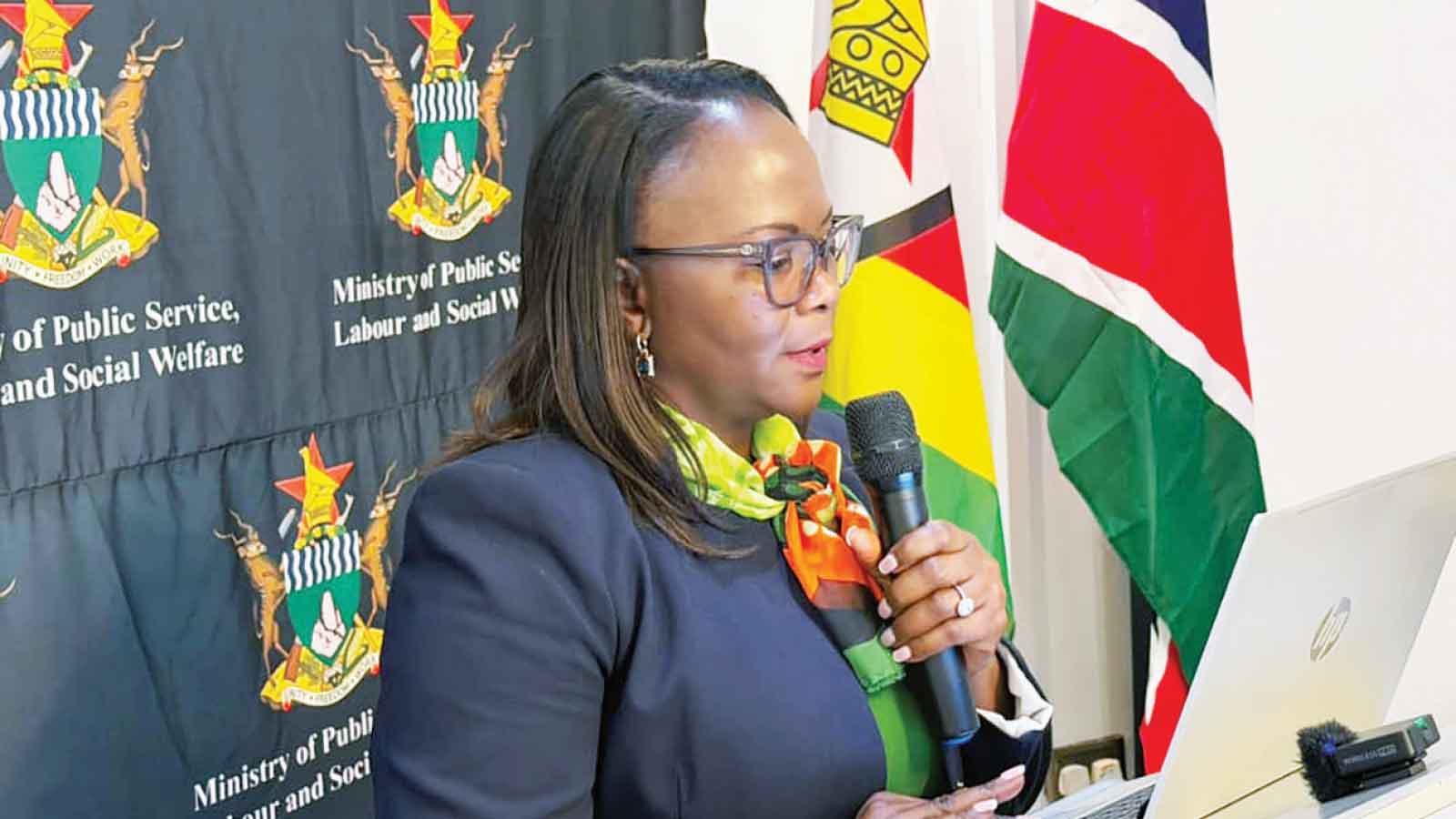
Mkhululi Ncube
Bulawayo Bureau
ZIMBABWE and Namibia have stepped up efforts to strengthen workplace safety and labour inspection systems through enhanced bilateral cooperation, with officials from the two countries meeting in Bulawayo this week to share best practices and advance the implementation of the 2020 labour and employment agreement.
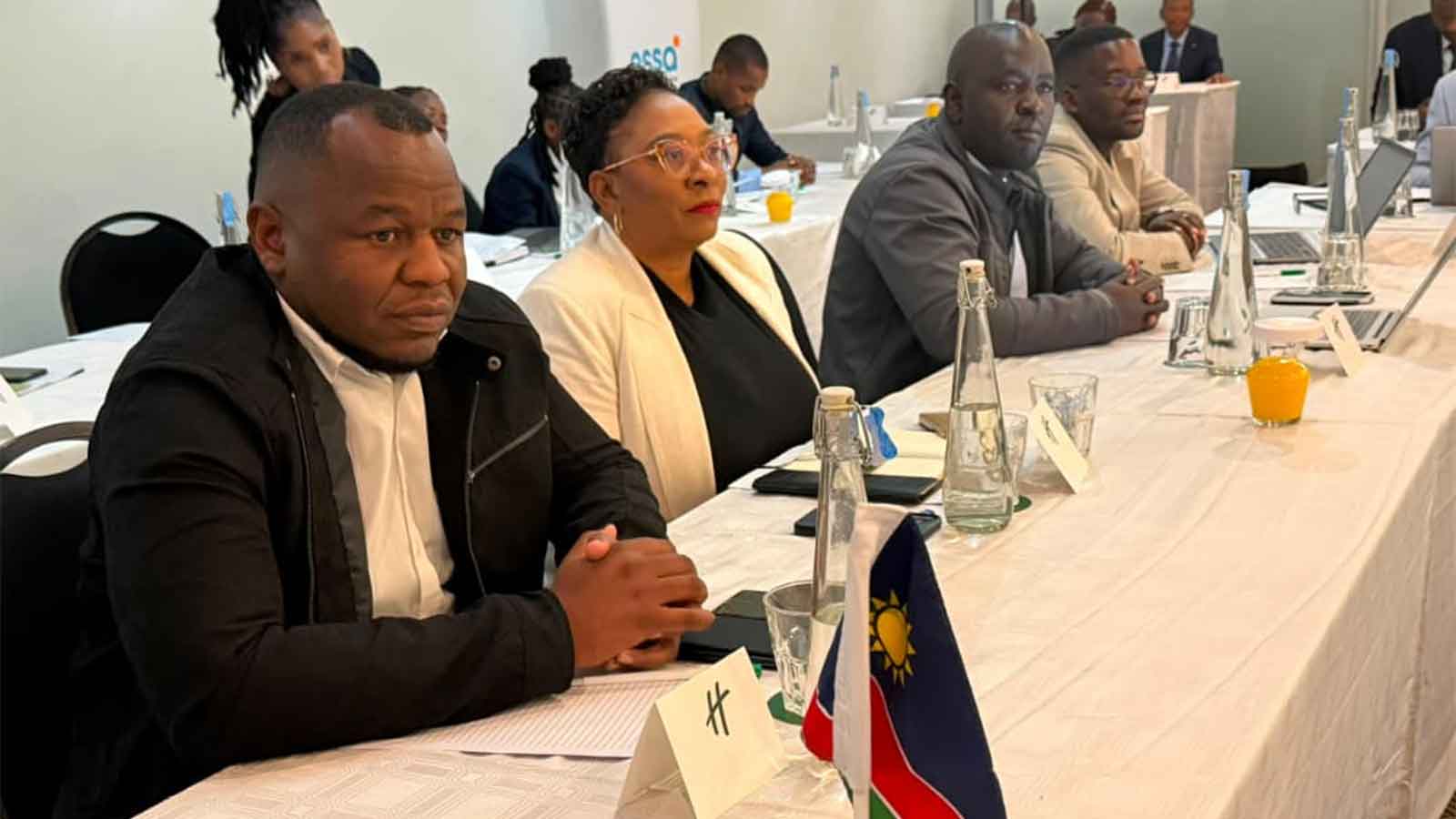
An eight-member delegation from Namibia’s Ministry of Justice and Labour Relations is in the city, participating in the Zimbabwe-Namibia Labour Inspection and Occupational Health and Safety Engagement alongside officials from Zimbabwe’s Ministry of Public Service, Labour and Social Welfare, the National Social Security Authority (NSSA) and labour inspectors.
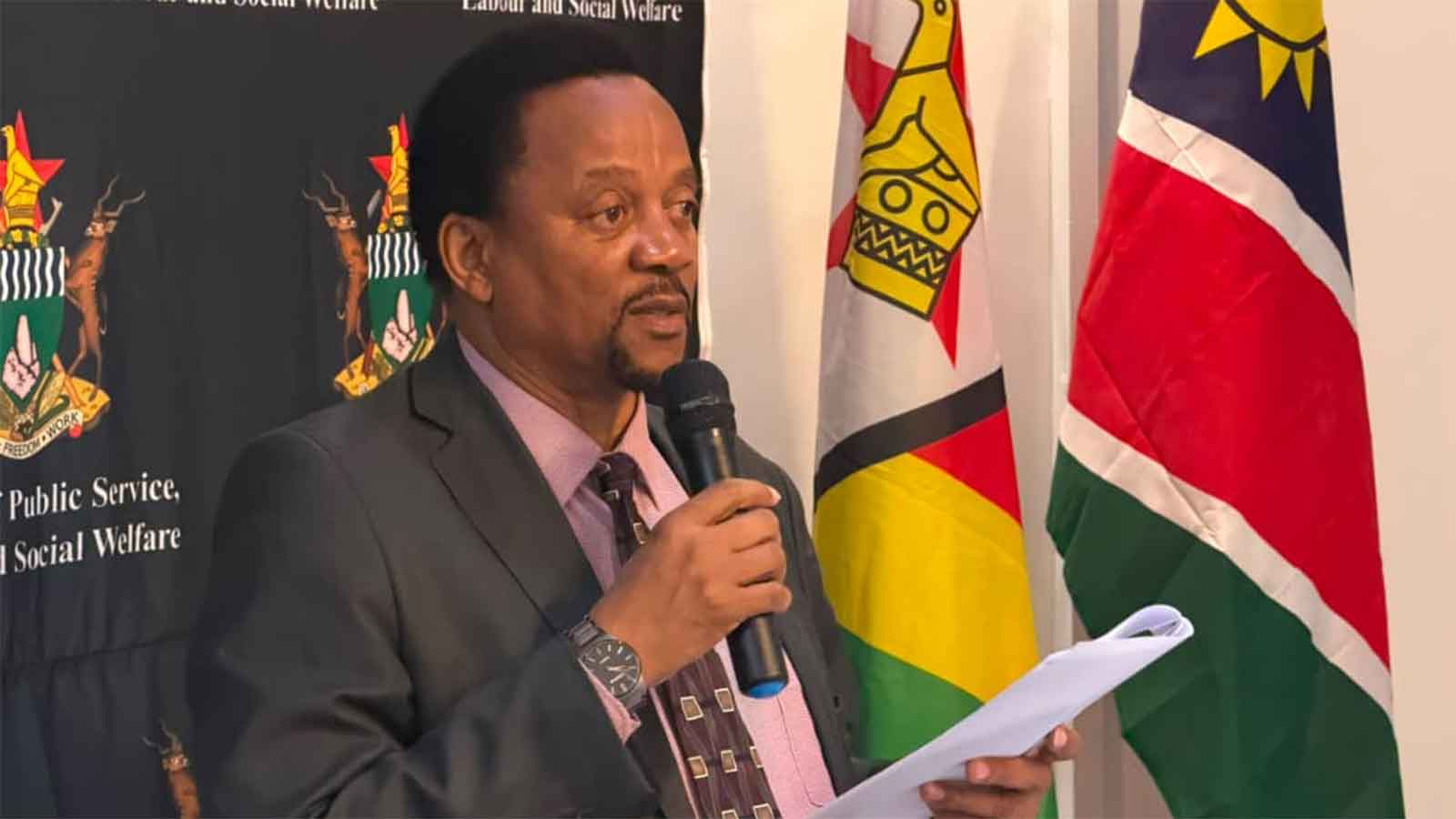
Opening the meeting yesterday, Permanent Secretary in the Ministry of Public Service, Labour and Social Welfare, Mr Pfungwa Kunaka, who was represented by the Ministry’s Director of Labour, Mr Clement Zondile Vusani, emphasised the importance of bilateral cooperation in addressing labour matters between the two countries.
“This engagement builds on the strong momentum established through our previous collaborative initiatives, notably the successful Labour Dispute Resolution Workshop hosted by Zimbabwe and the Labour Inspection Exchange Programme hosted by Namibia,” he said.
Mr Kunaka said the engagements have also demonstrated the value of peer learning, technical cooperation and the exchange of best practices in addressing common labour market challenges.
“They have also laid a solid foundation for continued promotion of regional integration in the fields of employment and labour.”
The two countries have both ratified the Fundamental International Labour Organisation (ILO) Conventions, demonstrating their collective resolve to uphold the fundamental principles and rights at work.
The convention recognises freedom of association and the effective recognition of the right to collective bargaining, the elimination of forced labour and the abolition of child labour, the elimination of discrimination in employment and occupation, and the promotion of safe and healthy working environments.
“Our challenge now is to continue translating these international commitments into effective national policies, robust institutions and practical interventions that improve the lives and livelihoods of our workers and employers,” said Mr Kunaka.
“The importance of bilateral cooperation in labour administration cannot be overstated. Our countries face many common opportunities and challenges, including the growth of the informal economy, evolving workplace risks, changing patterns of employment types and relations, technological advancements and the need to strengthen labour market institutions.”
Through collaboration, the two countries are set to benefit by sharing experiences, technical expertise and innovative approaches.
“Equally important is our shared objective of facilitating the transition from informality to formality as guided by the ILO Recommendation 204,” said Mr Kunaka.
“Given that a substantial proportion of our workforce of more than 50 percent is engaged in the informal sector, formalisation presents an opportunity to extend decent work, strengthen the protection of labour rights and improve access to social security and occupational safety and health services.
“It also enhances productivity, broadens the tax revenue base, increases domestic financial flows and strengthens the capacity of our Governments to invest in quality public services and sustainable development for all.”
Mr Kunaka also encouraged participants to engage openly, exchange knowledge freely and develop practical recommendations that will strengthen labour administration in both countries.
Head of the Namibian delegation, who is also the Acting Director Labour Services in the Ministry of Justice and Labour Relations, Ms Petrina Nghidengwa, said cooperation between the two ministries was grounded on a longstanding friendship and solidarity between the two countries.
“Labour inspection and occupational safety and health are indispensable components of effective labour administration. They play a critical role in promoting compliance with labour legislation, safeguarding the rights and welfare of workers, preventing workplace accidents and occupational diseases, and fostering productive, safe and healthy working environments,” she said.
Ms Nghidengwa said the world of work is rapidly evolving with the growth of the informal sector.
“The multifaceted challenges in the labour market become increasingly complex.
“The growth of the informal economy, where traditional employment contracts do not exist, has transformed workplaces into a hybrid format,” she said.
“We’re no longer bound to fixed workplaces; we’re required to protect workers in platform economy activity facilitated by digital technology,” she said.