Herald Reporter
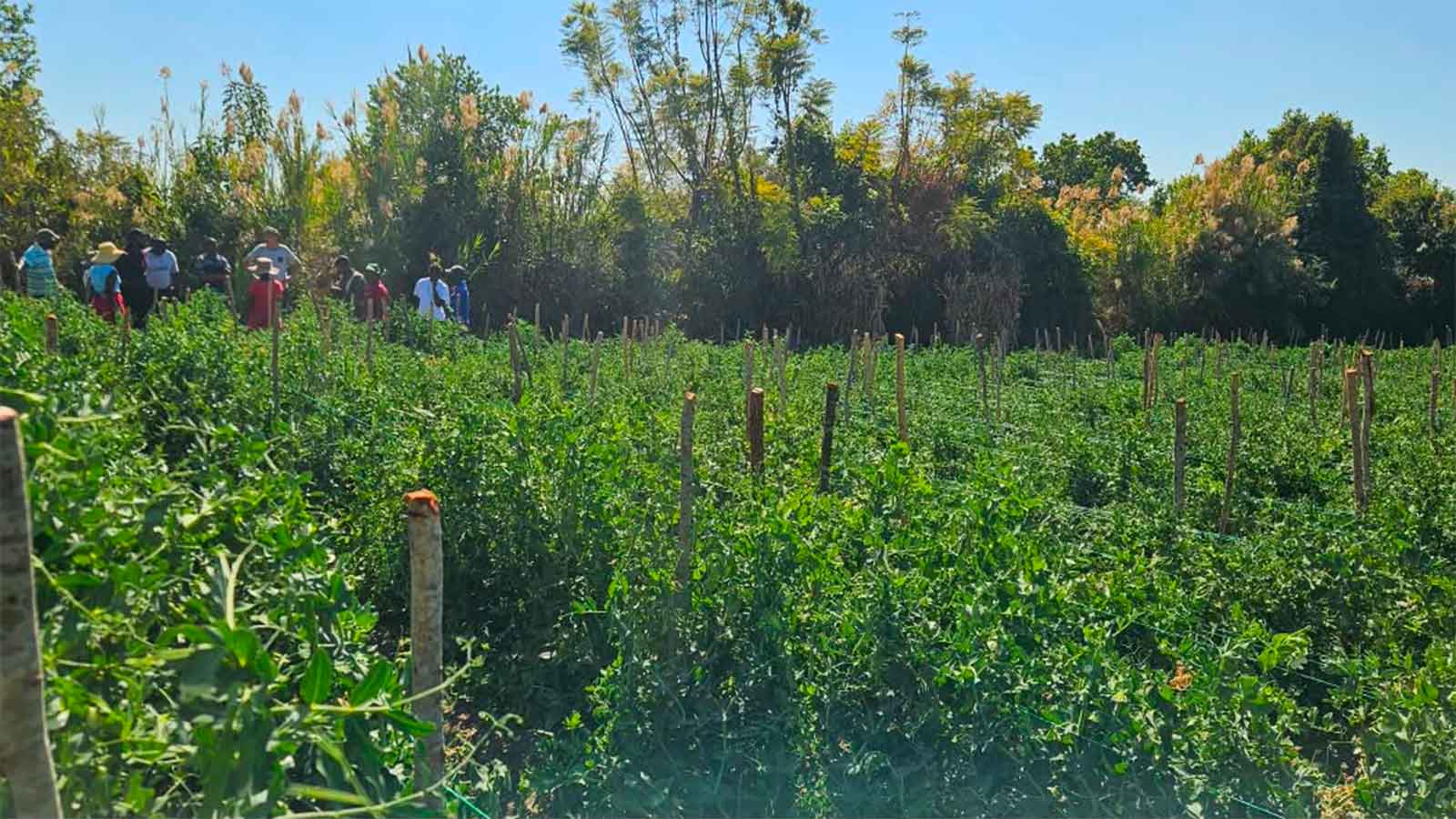
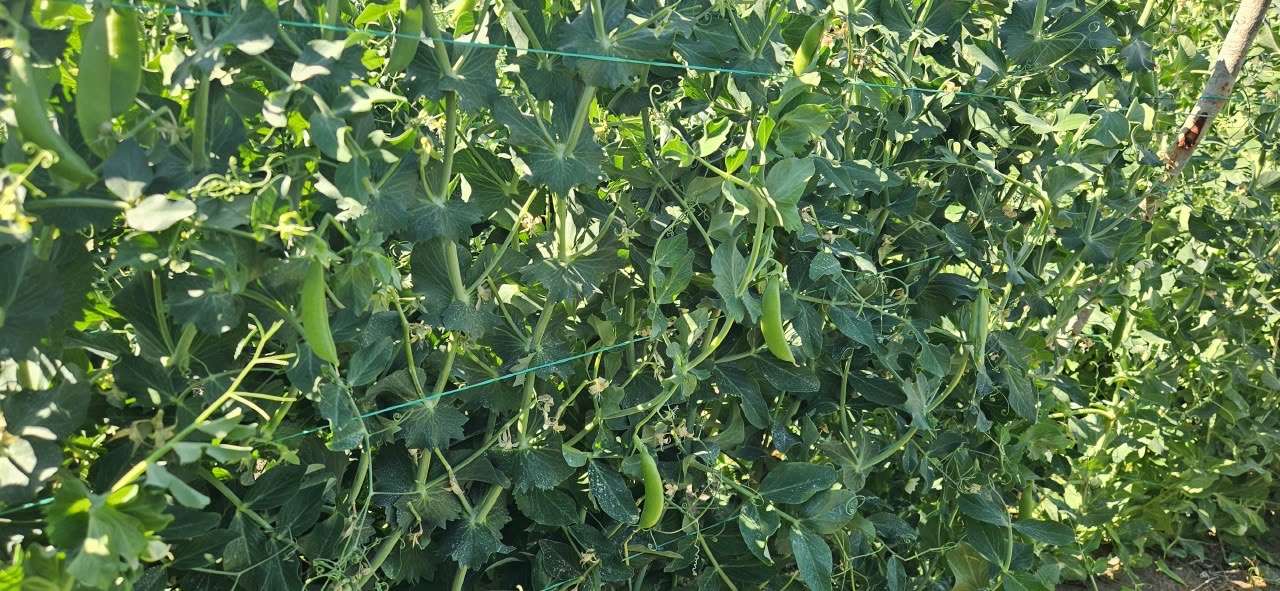
A partnership involving smallholder farmers, Government, development agencies, technical experts and the private sector is opening new export opportunities for women-led producer groups in Mutoko through the production of high-value sugar snap and mangetout peas.
Six women-dominated farmer groups are participating in the pilot project under the three-year Women Economic Strengthening for Resilience Project (WESRP), launched in 2024 and co-funded by Christian Aid and the Embassy of the Kingdom of the Netherlands.

The initiative seeks to increase farmers’ incomes while equipping women and young farmers with production, business, quality-control and market-readiness skills needed to participate effectively in formal and export value chains.
The pilot is providing a practical model for integrating rural farmers into high-value international markets and creating sustainable economic opportunities in farming communities.
A joint progress review held in Harare, Christian Aid Offices this week brought together Deputy Ambassador for Zimbabwe, Zambia and Malawi Ilyaas Sherally, Netherlands Embassy Policy Officer for Economic Affairs and WESRP project co-ordinator Emma Musoko, Netherlands Private Sector Engagement Coach Matthijs Brouwer, PUM Senior Value Chain and Export Market Expert Kees van ’t Klooster, Nyahunure Community Organisation (NCO), Kuminda, ZimTrade, the University of Zimbabwe and other partners.
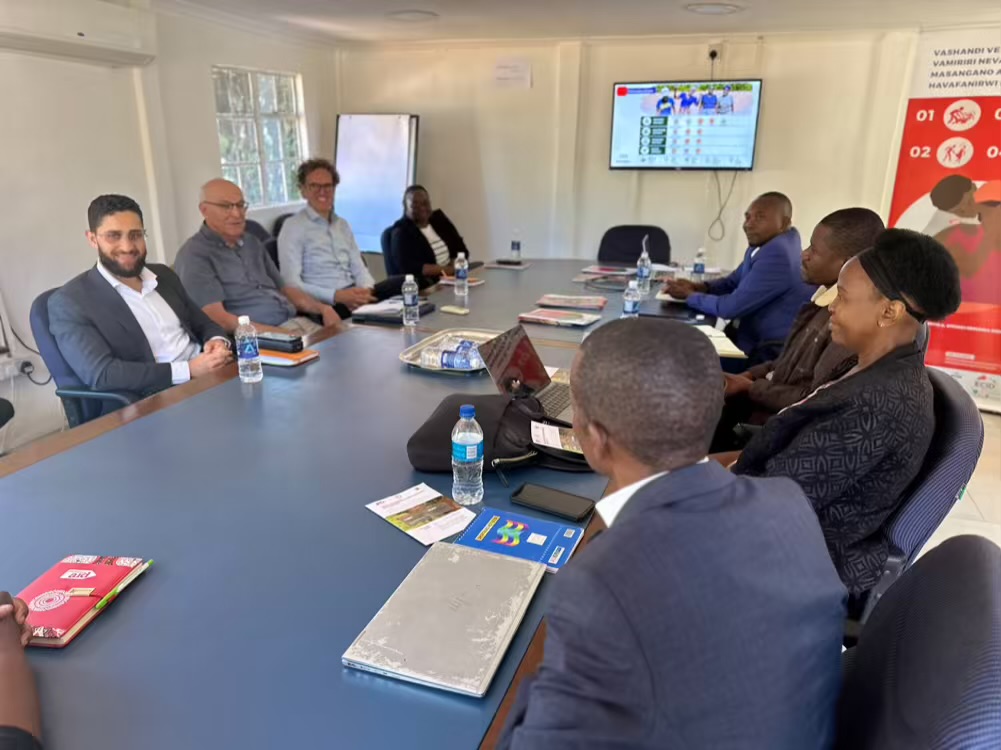
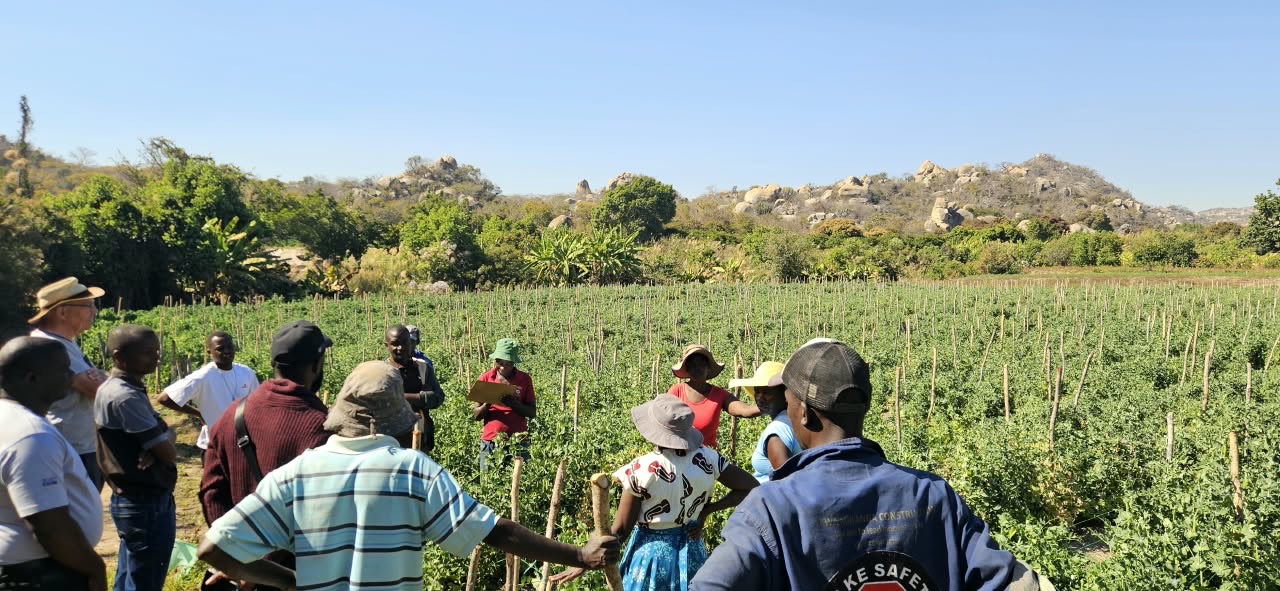
The review, which included field visits to the six groups, assessed progress and identified measures needed to turn the pilot into a commercially viable and sustainable export model.
Ms Musoko said the project was strengthening women’s participation in high-value economic activities.
“This project has helped empower women by boosting their confidence to participate in high-value chains, which is the way to go to enhance their contribution to local economic development in Zimbabwe,” she said.
Deputy Ambassador Sherally said partnerships were critical to unlocking opportunities for smallholder farmers.
“When communities, development partners and the private sector work together around a shared vision, smallholder farmers can unlock new opportunities, build resilient enterprises and compete confidently in export markets,” he said.
Under the arrangement, NCO represents the farmers in an off-take agreement with Kuminda, an export aggregator providing certification support, quality-control systems and logistics to international buyers.
The arrangement has opened potential markets in Ireland, France and the United Kingdom, subject to production volumes, quality, compliance and confirmed orders.
Kuminda Chief Executive Officer Mr Clarence Mwale said export markets demanded consistency and strict adherence to standards.
“Our focus is to support farmers to meet food-safety, traceability, pesticide-residue, grading and cold-chain requirements so that every consignment can satisfy the buyer and protect Zimbabwe’s reputation,” he said.
ZimTrade Director of Operations (Trade Development and Export Promotion) Mr Similo Nkala said the organisation had equipped the farmers with market knowledge to make production commercially driven.
“As part of our ZimTrade mandate, we facilitated numerous trainings targeting peas producer groups on market intelligence to ensure they plant for the market, meet export standards, and sell with confidence. Information is key; it turns farming into trade,” he said.
ZimTrade’s role is in line with its mandate to develop, promote and facilitate Zimbabwean exports.
PUM Zimbabwe representative Mr Paul Zakariya said specialist expertise would strengthen agronomy, quality systems, post-harvest handling and commercial planning.
Christian Aid Programmes and Partnerships Lead for Southern Africa Dr Aulline Chapisa said farmers had to be treated as business partners rather than merely suppliers.
“For Christian Aid, a win-win partnership starts by placing smallholder farmers at the centre — not only as suppliers, but as informed business partners with a voice in production decisions, quality systems and the value created by the market,” she said.
Farmers are receiving support in production, business management, financial literacy, quality assurance and market readiness, while AGRITEX provides extension support and the Ministry of Women Affairs, Community, Small and Medium Enterprises Development assists with group development, savings, registration and market preparation.
The Zimbabwe Agricultural Development Trust is supporting financial literacy and business development, while private input suppliers are providing export-grade inputs and agronomic guidance.
NCO’s Mr Francis Pawandiwa said farmers now understood that quality began in the field and continued through harvesting, grading, packaging and transportation.
The proposed off-take price is between US$1.50 and US$2 per kilogramme, inclusive of delivery costs, with payment expected after buyer settlement.
The initiative contributes to Zimbabwe’s trade and development agenda, particularly NDS2 priorities on export diversification, value addition, inclusive economic growth and integration into global value chains.
The review identified the need to strengthen producer-group performance, finance, infrastructure, compliance, technical skills and market coordination before scaling up.
Mr van ’t Klooster is preparing technical recommendations following fieldwork and consultations, while Christian Aid Senior Programmes Officer Mr Pepukai Muchazondida Svinurai said the findings would provide a bridge from pilot to scale.
“That evidence will allow us to upscale responsibly while keeping women and smallholder farmers at the centre of the model,” he said.
The pilot is also timely as Zimbabwe seeks to diversify exports, expand participation in global value chains and strengthen rural economies under the National Development Strategy 2 (NDS2) 2026-2030.
For Mutoko farmers, the pilot project offers more than a new crop market — it provides a pathway towards stronger rural enterprises, women’s economic empowerment, export growth and greater community resilience.