Online Reporter
Sekai Manyere
Online Reporter
Zimbabwe has integrated climate change education across the country’s education system, with the Government emphasising the need to equip learners with knowledge and skills to respond effectively to environmental threats.
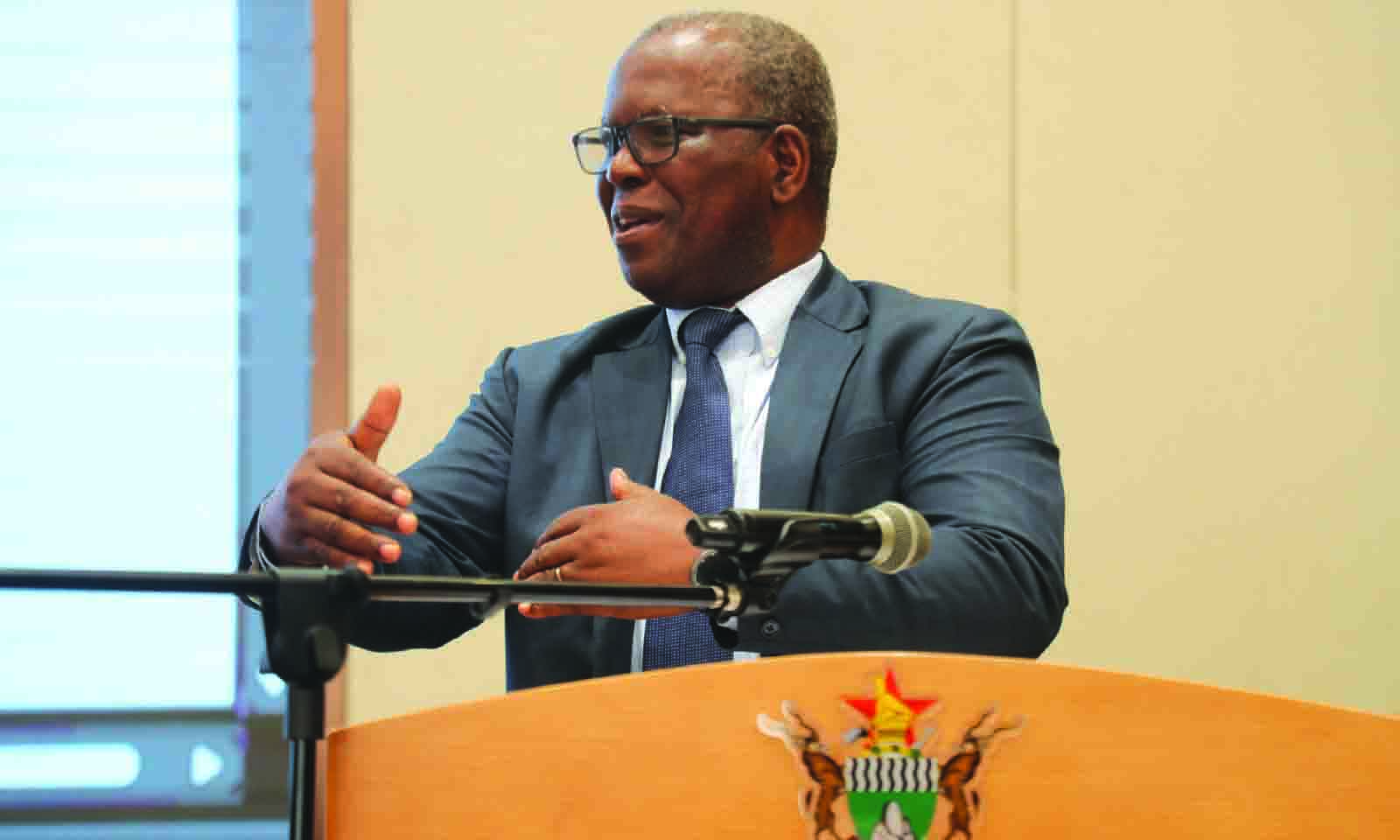
Speaking during a regional workshop on education and climate change, Permanent Secretary in the Ministry of Primary and Secondary Education Mr Moses Mhike, who was represented by acting director Dr Patrick Ngandini, highlighted the critical role of education in addressing climate change.
Mr Mhike said climate change could not be tackled by individual countries acting in isolation, but required coordinated regional efforts.
“It requires regional learning, collaboration, knowledge exchange, and collaborative action,” he said.
He said climate-related hazards such as droughts, floods, cyclones and unpredictable weather patterns were already disrupting teaching and learning in Zimbabwe.
These hazards were damaging school infrastructure and, in some cases, disrupting academic calendars, highlighting the need for education systems to become more resilient to climate-related shocks.
Mr Mhike said integrating climate change into education would help prepare learners to understand environmental challenges and contribute to solutions at community, national and regional levels.
“Our education system must become more resilient so that learning can continue when climate-related hazards occur,” said Mr. Mhike.
He emphasised that education should foster understanding of climate change, enabling the next generation to contribute to environmental sustainability.
Zimbabwe has developed teaching materials for use during disasters, in collaboration with various stakeholders.
A cornerstone of the initiative is a heritage-based curriculum that relates lessons to learners’ environments and lived experiences.
“Curriculum is a selection from our life. The learners should understand and react to what is happening in their environment,” he said.
Mr. Mhike pointed out that climate education is no longer confined to specific subjects; it is a cross-cutting theme integrated throughout the curriculum.
“Whether you are teaching mathematics, geography, or agriculture, learners must be taught something about climate action,” he noted.
He underscored the importance of resilient infrastructure, such as solar energy, water harvesting systems, and environmentally sustainable school grounds, to ensure uninterrupted learning.
“A school cannot provide public education effectively if its classrooms, water systems, sanitation facilities, or learning materials are repeatedly compromised,” he stated.
The workshop was held under the theme: “Empowering adolescents and young people as active participants in climate action.”
“Young people are not merely future victims of climate change. They are current actors, innovators, and community leaders,” Mr Mhike said.
He highlighted platforms like innovation hubs, agricultural projects, and environmental clubs that enable students to transition from passive recipients of climate information to active contributors.
These reforms, he said align with Zimbabwe’s National Development Strategy (2026-2030), which prioritises climate resilience and environmental protection.
Mr. Mhike described quality education as essential for enabling learners to contribute productively to national development while strengthening climate governance and disaster preparedness.
The permanent secretary in the Ministry of Environment, Climate and Wildlife, Mr Simon Masanga, urged stakeholders to transition from mere awareness to sustained action in climate education.
He said that climate change is a pressing development challenge that is affecting communities and livelihoods.
Mr Masanga noted the shifting rainfall patterns and prolonged dry spells that jeopardize food security and educational attendance.
“Every child deserves to be in school,” he said advocating for continued support for education financing to reduce the number of out-of-school children.
“Heavy rainfall and flooding can force communities to keep children away from school and damage buildings,” he said, sharing recent incidents in Nepal that resulted in substantial destruction, including the loss of a primary school.
Mr. Masanga also stressed the critical role of teachers in climate education, calling for conditions that enable effective integration of climate topics into their teaching.
“The challenge before us is to move from awareness towards meaningful and sustained action,” he said.