

 Online Reporter
Debra Matabvu and Rutendo Nyeve in Victoria Falls
ZIMBABWE has taken bold strides to position itself as a competitive regional aviation hub through the full implementation of the Open Skies Policy, increased international airline connectivity and aggressive reforms aligned with global aviation standards, Vice President Kembo Mohadi has said.
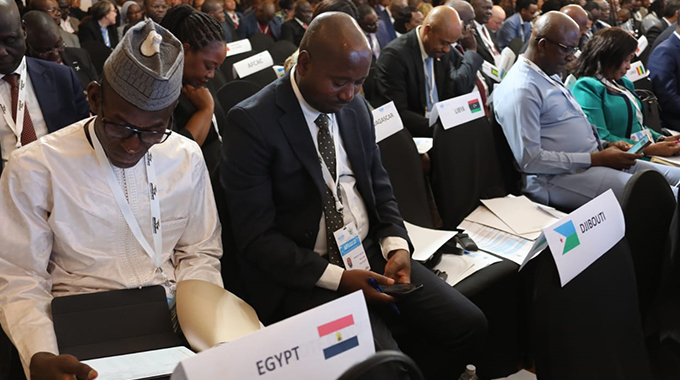
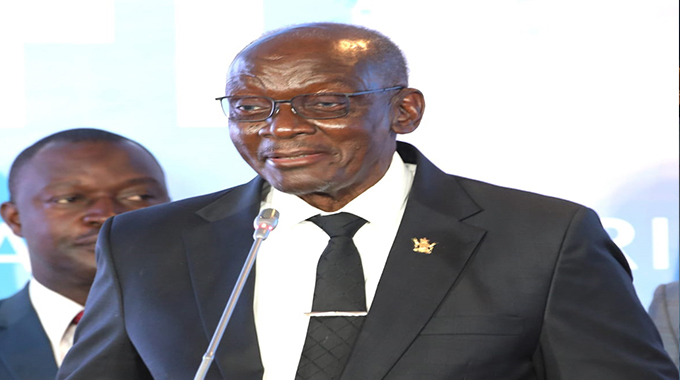
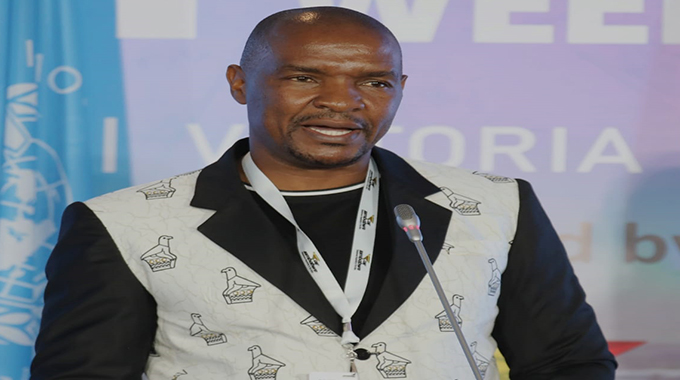
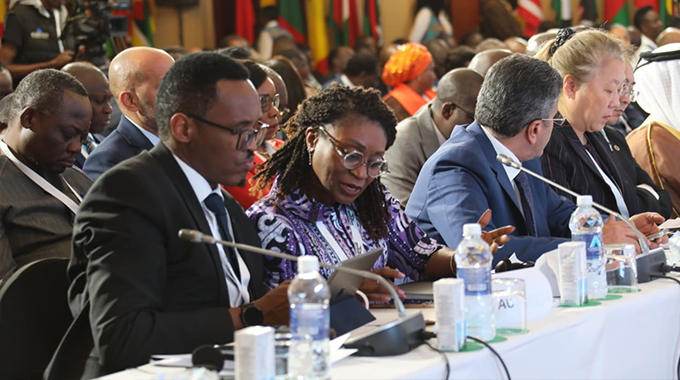
Officially opening the 10th edition of the Africa-Indian Ocean (AFI) Aviation Week 2025 in Victoria Falls yesterday, VP Mohadi said the country’s aviation sector is on a robust growth trajectory, with the Second Republic leveraging the engagement and re-engagement drive to attract new airlines and increase air traffic frequency into the country in line with Vision 2030 aimed at transforming the economy into an upper-middle-income status.
“Through the visionary leadership of His Excellency, the President of the Republic of Zimbabwe, the Government reaffirms its commitment towards the International Civil Aviation Organisation’s (ICAO) initiatives and policies, designed to establish and uphold a safe, secure, efficient, economically sustainable, and environmentally responsible international air transport system,” said VP Mohadi.
“Our Second Republic’s milestones in infrastructure development, health and safety enhancements, human capital development, and international collaboration underscore Zimbabwe’s dedication to advancing its aviation sector as we strive towards a middle-income society by the year 2030.”

VP Mohadi said Zimbabwe has undertaken key initiatives in the full implementation of the Open Skies Policy in line with the Yamoussoukro Decision (YD), which came into force in July 2000, paving the way for the Single African Air Transport Market (SAATM).
“This policy has also opened the airspace to more international airlines through several Air Service Agreements (ASA), allowing multiple airline designations to the Robert Gabriel Mugabe International Airport, the Joshua Nkomo International Airport and the host — Victoria Falls International Airport,” he said.
The Vice President noted that infrastructure and human capital developments in the sector over the past few years highlight the Government’s commitment to developing the sector and upholding international aviation standards.
The AFI Aviation Week is a flagship regional event organised under the auspices of the ICAO, bringing together aviation regulators, industry leaders and policymakers to chart the future of African aviation.
VP Mohadi said various measures taken by the Government to ensure the opening up the airspace to more international airlines is meant to ensure the country benefits from regional integration and globalisation as well as becoming a transportation hub in the Southern African region.
“Through the engagement and re-engagement policy, Zimbabwe’s aviation sector has shown growth with new airlines coming on board and an increase in frequencies by the existing ones,” he said.
VP Mohadi noted that several airlines among them, Emirates, Qatar, Ethiopian Airlines, Air Botswana, Eswatini Air, Zambian Airways, Cemair, Fastjet, Kenya Airways, Martin Air Cargo, Mackair, FlySafair, South African Airways, Airlink, Fastjet and Eurowings, are now flying into the country.
“This is an eloquent testament to the fact that Zimbabwe continues to welcome investment and growth in the aviation sector in line with the National Development Strategy 1,” he said.
The Vice President said Zimbabwe is intensifying reforms in its aviation sector through a series of initiatives aimed at enhancing regional connectivity, advancing environmental sustainability and strengthening aviation security.
He reaffirmed the Government’s commitment to “greener” aviation practices, aligning with global efforts to achieve net-zero carbon emissions by 2050 with the country having submitted its State Action Plan for emissions reduction in January 2022, among other programmes.
VP Mohadi said Zimbabwe is committed to formulating robust legal and policy mechanisms to improve the country’s aviation regulatory framework, saying all the achievements are a testament to President Mnangagwa’s, hands-on approach to development, “brick by brick and stone upon stone”
He expressed support for ICAO’s new strategic goal to make global air travel accessible and reliable for all.
The initiative targets 85 percent of member states and calls for at least 116 countries to develop national aviation plans addressing public health risks.
In April 2023, CAAZ hosted a seminar with ICAO on Sustainable Aviation Fuels (SAF). Following up on this seminar, ICAO selected Zimbabwe for a feasibility study under the ICAO-EU Assistance Project on the development and deployment of Sustainable Aviation Fuels (SAF) building on the work already done in the implementation of biodiesel and bioethanol programmes in Zimbabwe.
To further cement the growth in the sector, Vice President Mohadi said the Aviation Training Academy of Zimbabwe (ATAZ), which was officially launched on May 29, 2023 as a fully accredited Approved Training Organisation (ATO) was established.
“The objective of establishing this training facility is to address challenges associated with access to localised quality and inclusive aviation training for ameliorating the acute shortage of experts in the aviation industry locally and regionally,” he said.



 Bunjiwe Mkwananzi
 Colletta Dube