Online Reporter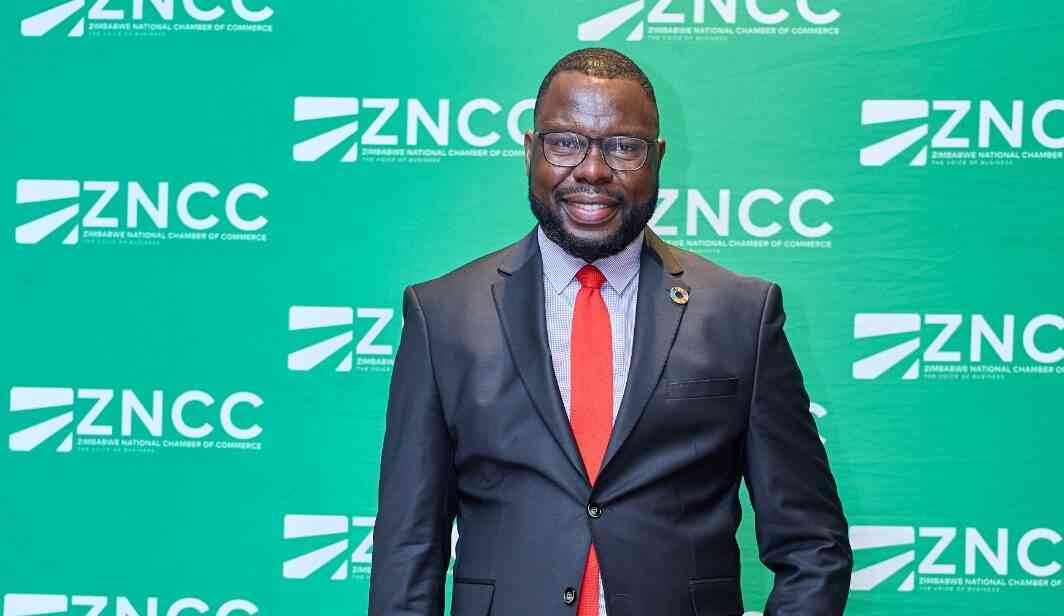
Takudzwa Mangrozah and Takunda Gambiza
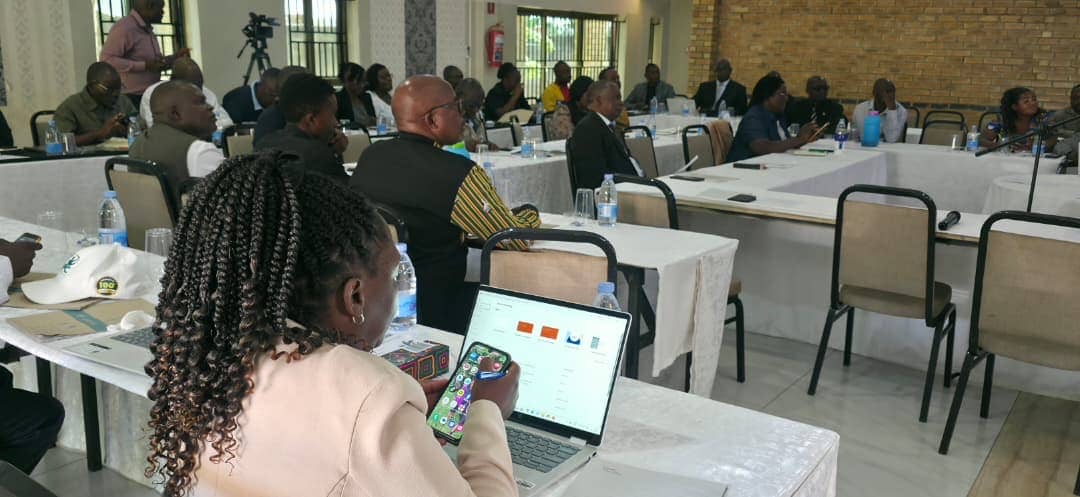
ZIMBABWE is pushing to transition from traditional donor funding to sustainable financing models, with Government, business and development partners outlining new approaches at a high-level United Nations Development Programme (UNDP) consultative meeting in Harare on Wednesday.
The discussion, moderated by UNDP Zimbabwe Resident Representative, Dr Ayodele Odusola, centred on how the country can move from reliance on short-term funding to long-term financing mechanisms under the proposed Country Programme Document (CPD) 2027–2031.
Secretary for Presidential Affairs and Devolution in the Office of the President and Cabinet, Engineer Tafadzwa Muguti, said Zimbabwe must shift its mindset and treat development support as financing rather than free aid, introducing what he described as a “payback rule”.
“Currently almost everything that is done by development partners is taken as if it’s free, that’s where we are getting it wrong as developing nations,” he said.
Eng. Muguti said programmes such as village business units should be run as commercial entities capable of generating returns, rather than relying on continuous external support.“We need to move away from social contracts and move more into commercial contracting so that whatever is produced has economic value and a market,” he said.
He also mentioned the need for policy consistency, stronger monetary and regulatory frameworks, and blended financing models that bring together government, development finance institutions and the private sector.
Zimbabwe National Chamber of Commerce (ZNCC) CEO, Mr Christopher Mugaga, said Zimbabwe’s economy requires financing models tailored to its structure.
“From the survey we conducted, most businesses require less than US$600 000, which shows the economy is largely small-scale,” he said.
Mr Mugaga said access to markets remains critical, noting that financing alone cannot drive growth without viable demand.
“The best form of funding at this juncture is access to markets. Once markets are limited, no financing deal will make sense,” he said.
He also highlighted challenges, including the high cost of capital, limited access to affordable credit, and exchange rate risks, and called for concessional financing, longer-term capital, and local-currency funding.
African Development Bank (AfDB) Country Manager, Ms Eyerusalem Fasika, said the shift from funding to financing is critical as traditional donor resources continue to decline.
“We have been depending on resources coming from donors. But as we all know, that is drying up. It’s important for us to think differently,” she said.
Ms Fasika said Zimbabwe must mobilise private sector investment, including domestic, foreign and diaspora capital, while adopting innovative instruments such as infrastructure and diaspora bonds.
She said macro-economic stability, debt resolution and a conducive investment climate are key to unlocking long-term financing.
“It is important for the country to maintain macroeconomic stability and create a conducive environment for private sector investment,” said Ms Fasika.