
Business Reporter
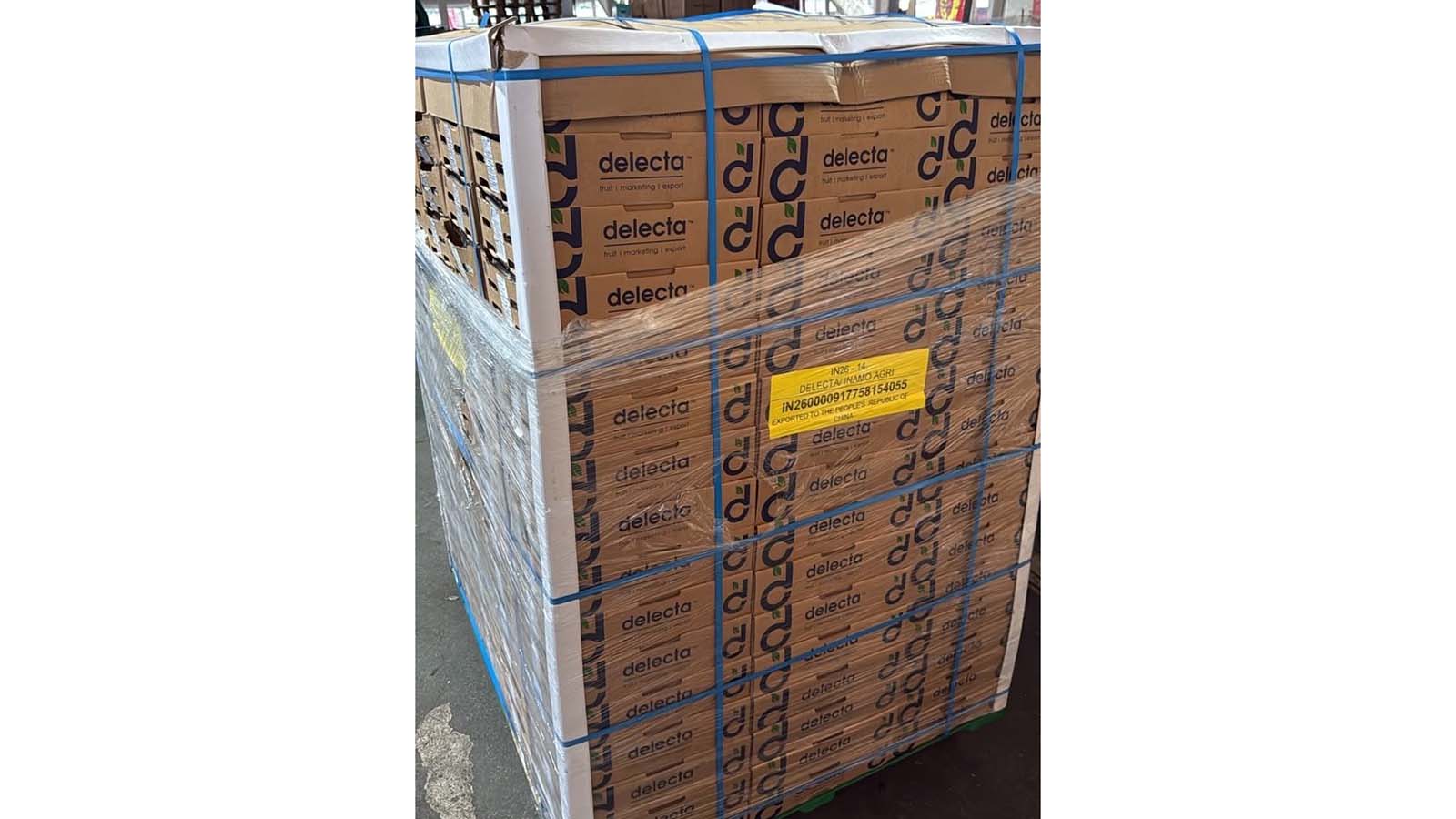
Zimbabwe has exported its first-ever shipment of blueberries to China, following the 2025 market access agreement between the two countries, the Horticultural Development Council has confirmed.
The development marks a major milestone for the local blueberry sector, with work now shifting to scaling production and testing the best supply routes to the new market.
The agreement, announced in the HDC’s June 2026 update, caps years of technical negotiations and phytosanitary assessments. It establishes the regulatory framework under which Zimbabwean growers, packhouses and exporters must operate to access the Chinese market.
“The signing of the export protocol opens the door for Zimbabwean blueberries to enter one of the world’s largest consumer markets, creating new demand for local fruit from the 2026 season onwards,” the HDC said in its update.
The protocol mandates stringent requirements covering pest management, traceability, orchard registration, inspection procedures and export certification. While compliance demands are exacting, industry leaders view the standards as an opportunity to reinforce production systems.
“While the requirements are demanding, they also create an opportunity for the industry to strengthen production systems and improve competitiveness in other premium markets,” reads the update in part.
The timing coincides with a period of rapid expansion for the sector. Zimbabwe cultivated approximately 650 hectares of blueberries in 2025, yielding exports of 9 500 tonnes valued at US$51,75 million.
Industry analysts suggest the Chinese market access provides crucial diversification for a sector experiencing sustained production growth. The additional demand is expected to support improved returns for growers while reducing reliance on traditional export markets.
The HDC has confirmed it will continue working alongside producers, exporters and Government agencies to facilitate compliance with the new requirements, disseminate market intelligence and advocate for policy measures necessary to sustain the industry’s competitive position.
The development represents a milestone for Zimbabwe’s horticultural export ambitions, with the blueberry sector emerging as a key driver of agricultural diversification and foreign currency earnings.